
Politics
14 min read
Chief Justice Malaba Unveils Sweeping Reforms for Zimbabwe's Judiciary
NewZimbabwe.com
January 19, 2026•3 days ago
AI-Generated SummaryAuto-generated
Chief Justice Luke Malaba revealed significant judicial inefficiencies and staff misconduct within Zimbabwe's courts. In response, the Judicial Service Commission has implemented sweeping reforms. These include restructuring registries, dismissing thousands of dormant cases, and redeploying staff. The goal is to enhance efficiency, discipline, and public trust in the justice system.
CHIEF Justice Luke Malaba has laid bare serious operational and ethical challenges within Zimbabwe’s courts, saying deep-rooted inefficiencies, weak performance management and staff misconduct had undermined effective justice delivery, forcing the Judicial Service Commission (JSC) to embark on sweeping corrective reforms.
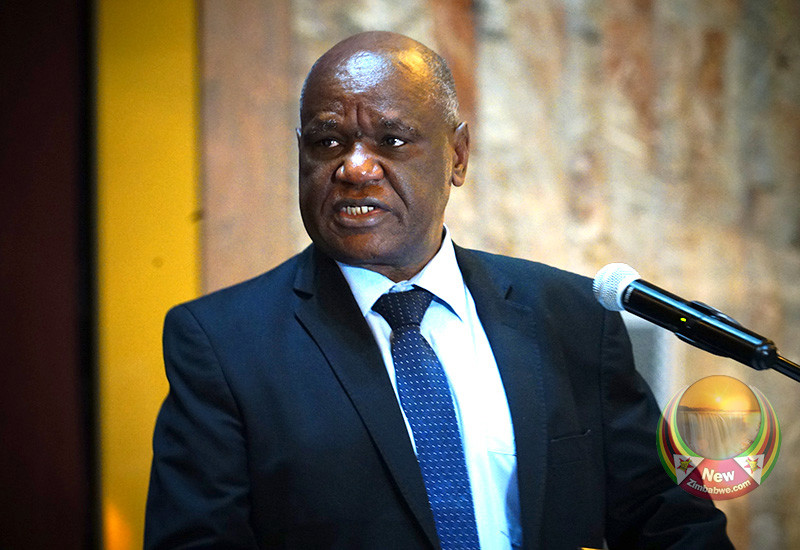
Speaking at the official opening of the 2026 legal year recently, Malaba said a comprehensive monitoring and evaluation exercise carried out between February and October 2025 had exposed systemic shortcomings across the superior courts, the Office of the Sheriff and several magistrates’ courts.
“The long-term monitoring and evaluation exercise exposed several systemic shortcomings,” Malaba said.
“These included inconsistent work allocation in registries, inaccurate and unreliable statistical reporting, thousands of dormant and abandoned processes clogging workflows, and substantial gaps in the updating of matters on the IECMS.”
He said staff indiscipline and unethical conduct were also identified as “serious concerns” at certain magistrates’ court stations.
The findings triggered what Malaba described as “immediate and comprehensive interventions” by the JSC. All High Court registries were restructured, specialised desks were created to impose order in workflows, and duties between registrars and their deputies were clearly delineated using standardised reporting formats.
“A strategic redeployment of staff alongside intensive, targeted training was also undertaken,” Malaba said.
One of the most drastic measures was the issuance of Practice Direction No. 1 of 2025, which resulted in the dismissal of 6 524 dormant High Court matters.
“These were cases filed by parties who then made no effort at all to prosecute their suits, leaving them lying idle in registries for months and, in many instances, even years,” Malaba said.
He expressed sharp concern over the conduct of litigants, “especially legal practitioners,” who file cases with no intention of pursuing them.
“Such conduct is unethical and is unexpected of officers of the court,” he said.
The reforms also included the archiving of physical files following the digitisation of court processes, as well as the deployment of senior registry leadership to underperforming stations to stabilise operations.
Malaba said the interventions underscored why performance management would be central to judicial reform in 2026.
“The Judiciary cannot simply assume that standards are being met,” he said. “It must be able to assess the position on the ground and demonstrate it through objective measures that are scientific, legally sound and institutionally credible.”
He said the JSC was now integrating the Integrated Results-Based Management (IRBM) system to link planning, budgeting, monitoring and evaluation to clearly defined results, aligning the Judiciary with the government’s broader performance assessment framework.
Reacting to the Chief Justice’s address, Law Society of Zimbabwe president Lison Ncube welcomed the reforms and said the legal profession supported efforts to enhance access to justice and restore public confidence.
“One of the things that the Chief Justice emphasised is that the JSC is committed to enhancing access to justice throughout the country,” Ncube said.
“We applaud that as the Law Society of Zimbabwe.”
Ncube said the legal profession had a parallel responsibility to ensure justice delivery was not undermined by unethical conduct.
“We assure the public that legal practitioners are willing to serve, and they are willing to serve ethically, with integrity, to ensure that the ends of justice are met,” he said.
He acknowledged public frustration over delays, backlogs and postponements, but said many challenges were logistical in nature.
“At the end of the day, the commitment from the legal fraternity is that we will do anything and everything within our powers to ensure that access to justice is enhanced in the country,” Ncube said.
He urged members of the public to report allegations of misconduct instead of relying on rumours.
“If there are things that are being said in the corridors, bring them to our attention,” Ncube said. “Lodge formal complaints, and we will play our role as the regulator to ensure that we put everyone in line who may have strayed.”
The reforms, Malaba said, were aimed at rebuilding efficiency, discipline and public trust in the administration of justice as the judiciary enters the 2026 legal year.
Rate this article
Login to rate this article
Comments
Please login to comment
No comments yet. Be the first to comment!