

breaking-news
NSW to ban children from riding ebikes under minimum age limit
Expert review will consider whether children and teenagers should be able to carry passengers

By The Guardian
20/02/2026•
2 min read
Get the latest news delivered to your inbox.
Expert review will consider whether children and teenagers should be able to carry passengers

NASA is ready to go to the moon. The space agency conducted a successful rehearsal of launch events for the upcoming Artemis II moon mission that will include Canadian Space Agency Jeremy Hansen and NASA astronauts Reid Wiseman, Christina Koch and Victor Glover.

The City of Beverly Hills apologized to Jaylen Brown after police shut down a panel he was hosting at a mansion during NBA All-Star Weekend, but the Celtics star didn’t seem to be in the forgiving mood on Thursday.

Lanús beat Flamengo in the Recopa Sudamericana first leg and is one step from the title.

SINGAPORE: The results of the 2025 GCE A-Level examinations will be released on Feb 27 at 2.30pm, with students receiving their results from their schools.Details on the collection will be shared by the respective schools, the Ministry of Education (MOE) and the Singapore Examinations and Assessment Boar
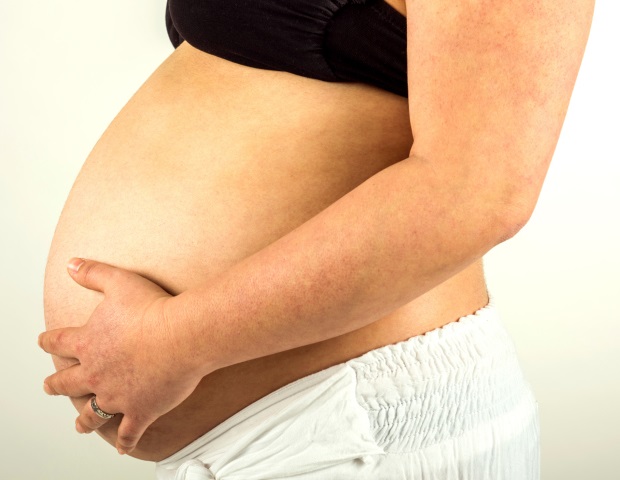
Early hydrocortisone treatment of extremely premature babies increases their chances of survival without lung disease, according to a study led by Linköping University. The study also shows that the treatment is safe to give.

The 55-year-old actress warmed hearts online after bringing her former helper out for ice cream on Chinese New Year’s Eve.

Environmental science and conservation news

India’s mental health conversation is growing louder, but not evenly. While urban centres have made progress in normalising conversations around therapy and diagnosis, similar distress in rural communities often presents as physical complaints or remains unspoken altogether. The difference is rarely in the level of suffering, but in how effectively it is identified.This uneven recognition has structural roots. In many rural settings, primary healthcare systems lack the training and bandwidth to identify psychological distress, especially when it appears as fatigue, pain, or sleep disturbances. Without adequate screening or mental health literacy at the community level, women’s emotional strain is often treated symptom by symptom rather than addressed holistically, leaving much of it unseen.The invisible diagnostic divideIn urban settings, women are more likely to have psychological symptoms identified and diagnosed. Emotional exhaustion, anxiety, sleep disturbances, and persistent low mood are increasingly recognised as indicators of mental health conditions rather than dismissed as personal weakness. This recognition enables timely clinical intervention, allowing women to access therapy, psychiatric care, and structured support.In rural settings, however, distress often follows a different path. Women frequently present with physical symptoms such as chronic fatigue, body pain, headaches, digestive discomfort, or menstrual irregularities as seen during our screening in collaboration with local district hospital. These symptoms are real and distressing, but their psychological origins may remain unexamined. Emotional suffering is expressed through the body, particularly in communities where mental health vocabulary is limited and stigma discourages open discussion.Large-scale community screening efforts conducted across multiple districts in Maharashtra under project Samvedana illustrate this gap. Over 170,000 individuals were assessed through decentralised outreach, yet only about 2 per cent were formally identified as being at risk for mental health conditions. This figure does not reflect the lower prevalence of distress. Instead, it highlights how easily mental health conditions can remain undetected when diagnostic systems rely heavily on verbal expression of psychological symptoms.Frontline healthcare providers often manage overwhelming patient loads and prioritise visible physical illness. Without specialised training in mental health identification, underlying depression, anxiety, or trauma may remain unrecognised. This represents a systemic limitation rather than individual oversight.Women’s vulnerability across biological and social transitionsWomen’s mental health is shaped by an interplay of biological and psychosocial factors across the lifespan. Hormonal transitions during puberty, pregnancy, the postpartum period, and menopause are associated with changes in mood regulation and stress response. Clinical evidence shows that these phases can increase vulnerability to depressive and anxiety disorders. The World Health Organisation estimates that nearly one in five women in low- and middle-income countries experience depression during pregnancy or after childbirth. Yet emotional symptoms during these stages are often interpreted as expected changes, particularly in non-urban settings, delaying timely identification and care.Beyond biology, social determinants further influence outcomes. Financial dependency, caregiving demands, restricted mobility, and chronic stress contribute cumulatively to psychological strain. For many women, this gap reflects not only service availability but also early recognition within existing healthcare systems.Field observations by Mpower suggest that when awareness improves, engagement follows. Community-based screening across districts has reached more than 367,000 individuals. Women consistently account for nearly two-thirds of those screened. Nearly 38 per cent of individuals identified as requiring care follow through with referrals when pathways are clearly explained and barriers are reduced.These findings indicate that willingness to seek support is present. Variability in awareness, access, and diagnostic sensitivity plays a more decisive role in shaping care outcomes.Recognition is the foundation of equitable careBridging India’s women’s mental health gap requires strengthening detection at the primary healthcare level. The World Health Organisation has emphasised integrating mental health screening into routine healthcare services, particularly maternal and community care. Training frontline providers to recognise psychological distress, including when it presents through physical symptoms, is essential to improving early identification.Improving mental health literacy within communities is equally important. When emotional distress is understood as a health concern rather than a personal failing, women are more likely to seek timely support.India’s mental health progress will depend not only on expanding services but on strengthening early identification across healthcare settings. Integrating routine mental health screening into primary care and equipping frontline providers to recognise psychological distress can reduce gaps in detection. When communities understand emotional distress as a legitimate health concern, recognition improves and access to care follows.