
Space & Astronomy
8 min read
DNA of Wolf Pup's Last Meal Unveils Woolly Rhino's Ice Age Demise
DT Next
January 20, 2026•2 days ago
AI-Generated SummaryAuto-generated
DNA from a 14,400-year-old woolly rhino, found in a wolf pup's stomach, revealed no signs of inbreeding. This challenges the long-held belief that the species' extinction was prolonged and characterized by genetic decline. The findings suggest the woolly rhino maintained its genetic diversity much later than previously thought.
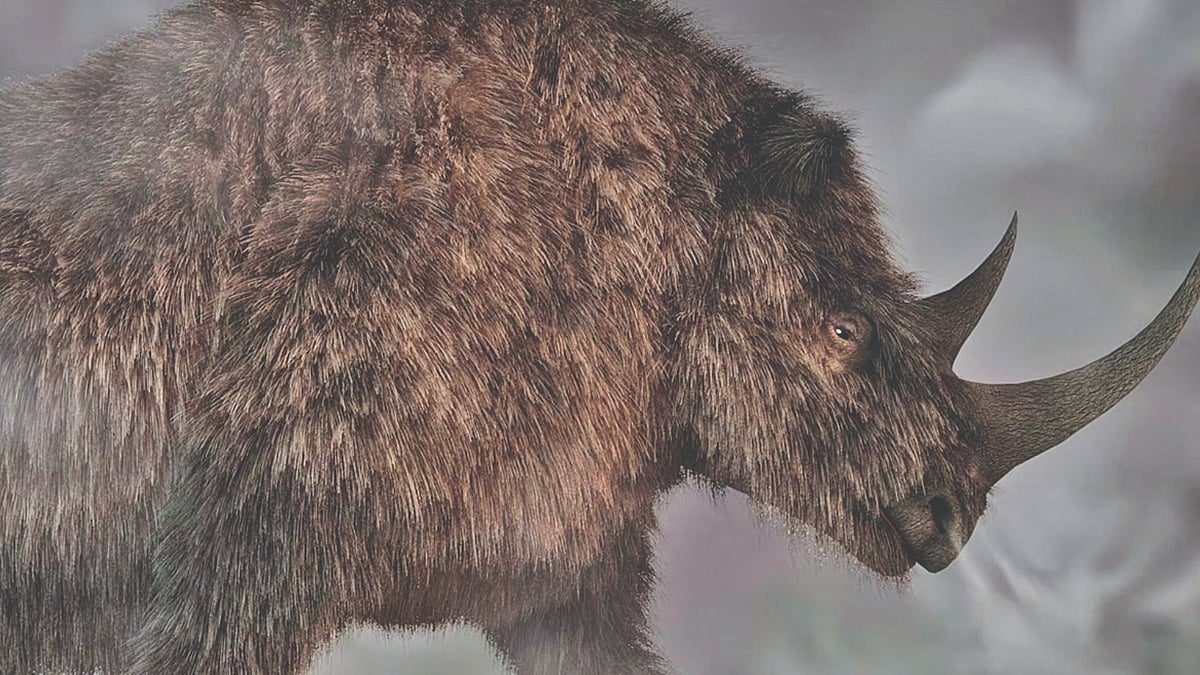
The species evolved in the middle of the Pleistocene era, around half a million years ago, and weighed up to three tonnes. It was comparable in size to the two largest rhino species alive today: the white rhino of southern and eastern Africa and the one-horned rhino of India.
The woolly rhino was superbly adapted to ice age conditions. It had a thick layer of fat beneath the skin, a warm woolly coat, and small ears and tail to minimise heat loss. A shoulder hump stores fat to help it survive periods of scarcity, and in exceptional cases, its horn could reach 1.6 metres in length.
Abrasions on fossilised horns have led biologists to suspect that the rhino used its front horn to sweep away snow, allowing it to reach the grasses and shrubs it fed on. Like most rhino species today, it had two horns.
Their disappearance has long been blamed on climate change. As the world warmed, the mammoth steppe was replaced by shrubland and then forest, steadily eroding their habitat. Humans also hunted them occasionally, and that did not help. Habitat loss, aided by the most efficient predator ever to evolve, sealed their fate.
When species decline slowly toward extinction, scientists expect to see warning signs in their genomes. As populations shrink, genetic diversity falls, and inbreeding rises. The last individuals born are often the offspring of closely related parents.
Because the woolly rhino’s extinction was thought to be prolonged, researchers assumed animals living 15,000 years ago would show genetic signatures of inbreeding. A recent paper led by Solveig Guðjónsdóttir therefore came as a surprise.
The DNA came from the frozen remains of an ice age wolf pup found in permafrost near the village of Tumat in north-eastern Siberia. During an autopsy, researchers identified a small fragment of preserved tissue in the wolf’s stomach.
Guðjónsdóttir’s team sequenced the genome of a 14,400-year-old woolly rhino from that stomach. Both wolf and rhino died just centuries before the species vanished.
A healthy adult rhino would have been far too large for wolves to kill, suggesting the remains were scavenged or came from a calf. Either way, the genome showed no sign of inbreeding.
The study matters for two reasons. It shows how DNA from the most unlikely sources can illuminate population history, and it suggests the woolly rhino may not have lingered as a genetically impoverished relic. It may have held onto its diversity far longer than expected.
Rate this article
Login to rate this article
Comments
Please login to comment
No comments yet. Be the first to comment!