
Health & Fitness
29 min read
Breaking the Silence: Women Share Their Menopause Experiences
the-star.co.ke
January 20, 2026•2 days ago
AI-Generated SummaryAuto-generated
Women are breaking the silence on menopause, a natural transition often accompanied by debilitating symptoms like hot flashes, insomnia, and mood swings. Many women suffer in silence due to a lack of understanding and societal stigma. Experts emphasize the need for open conversations, education, and integrated healthcare to support women navigating this significant life stage.
At night, Star* (not her real name), barely slept. She would pull the blanket over her body, then five minutes later kick it away. Moments later, she would cover herself again. Hot. Cold. Hot. Cold.
The cycle repeated itself until morning. By the time dawn broke, she was exhausted, irritable and confused.
“I could not sleep the whole night,” she recalls saying because of this, she became very grumpy, she could not concentrate at work. Even at home, her mood was terrible.
Star had just turned 40 when the changes began. She did not know what was happening to her body and neither did her family.
Her children began to fear her sudden outbursts. Her husband was worried but confused. Everyone sensed something was wrong, but no one had a name for it.
“I didn’t want to see people. I didn’t want to pick calls. I just wanted to be left alone,” she says, adding that’s when she knew she had a problem.
Like many women, Star turned to the internet, searching for answers in the quiet hours of the night. Her symptoms of night sweat, mood swing, insomnia and withdrawal, pointed to perimenopause, the transition phase before menopause.
Star’s experience is far from isolated. According to the World Health Organization (WHO), natural menopause typically occurs between the ages of 45 and 55, though symptoms can begin years earlier during perimenopause.
The transition, WHO notes, can last several years and affects a woman’s physical, emotional, mental and social wellbeing.
That discovery pushed her to seek medical help. A visit to the gynaecologist helped her understand what her body was going through. Tests revealed hormonal imbalances. Treatment followed.
Her husband was also invited for counselling to help him understand the changes she was experiencing.
“It lasted about six months,” Star says, adding that right now, she is okay and feels much better.
Caroline Ogot is 58 years old, a community worker, and an African feminist.
She believes in telling the African woman’s story as it is lived not filtered through Western lenses.
“I do not have a biological daughter, but I am always surrounded by daughters,” she says
She mentors young women and girls and sits in Siwidhe, a space where women of different ages gather to share experiences, learn from one another and speak freely.
She also runs Shaina’s Care Centre, an organisation that works with women and girls.
Ogot started speaking openly about menopause after noticing how much confusion and silence surrounded it.
“One rainy afternoon, we were laughing with other women, and I noticed some of them were sweating heavily,” she recalls.
“I asked one woman why she was sweating, and she said maybe it was the food or water. She even took Panadol.”
When Ogot asked her age, the woman hesitated before admitting she was 45.
“She insisted she was fine. But I knew she was experiencing menopause.”
Among her peers, Ogot noticed a pattern. Women complained of unexplained body aches, breast pain, dizziness, anxiety and bleeding changes.
Many feared serious illness and rushed to hospital, unaware hormonal changes particularly declining oestrogen could explain much of what they were experiencing.
Yet despite its universality, menopause remains poorly understood and rarely discussed.
WHO recognises menopause as a significant public health issue, noting that women spend more than one-third of their lives in the post-menopausal stage due to increased life expectancy.
In 2021, women aged 50 years and above accounted for 26 per cent of all women and girls globally, a proportion that continues to rise.
“We are not taught to talk about menopause,” Ogot says.
“So women suffer silently, confused, scared and ashamed.”
Her own menopause journey began early. She bled continuously for five months. Medication helped regulate the bleeding, but the doctor warned her she would “feel like a man”, a phrase she did not understand at the time.
Later, it made sense, hot flashes, vaginal dryness and hormonal imbalance.
“At around 52, my periods became extremely heavy,” she says.
“When I stood up, blood would just flow. I could not sit comfortably. I could not sleep”.
By 53, the hot flashes came in waves so intense that she felt hot even in the rain or cold weather. Her skin became painfully dry. Her knees ached. Her bones weakened. She experienced dizziness when dehydrated and learned to monitor hydration by checking her urine colour. Even laughter became risky.
“You laugh too hard and urine leaks,” she says.
“Many women experience this, but we are ashamed to talk about it.”
Her hair thinned. Her nails weakened. The woman she saw in the mirror felt unfamiliar.
Intimacy, silence and shame
One of the hardest parts of menopause, Ogot says, is what it does to intimacy.
“Dryness makes touch painful,” she explains.
“Nipples and vaginal tissues become sore. Many women secretly use lubricants because they feel ashamed.”
Without communication, relationships suffer.
She says, “I spoke openly with my husband. If you don’t, men assume rejection or infidelity, yet it is simply the body refusing.”
Some women grieve their periods deeply. Ogot has seen women continue buying sanitary pads long after menopause, holding on to menstruation as proof of womanhood.
“Society makes women believe bleeding defines femininity,” she says. Weight gain adds another layer of distress. “You fast, but the stomach still grows,” she says. “It affects confidence.”
Ogot coped by speaking out. She consulted medical friends, researched with her partner, changed her diet and prioritised mental health.
She reads romantic novels, goes to the sauna, gets massages and nurtures friendship in her marriage.
“Menopause affects women differently,” she says.
“One of my friends has cold flashes instead of hot ones. She is always cold.”
Her openness has sparked conversations far beyond. Receiving negative and positive comments on the matter when she recently did a video on social media to talk about menopause.
“Women call her to say thank you. Men call asking what menopause is and why women behave differently. Some men even ask if they can have similar spaces,” she says. “That tells you something.”
She believes men must be involved not as outsiders, but as partners in understanding.
What the science says
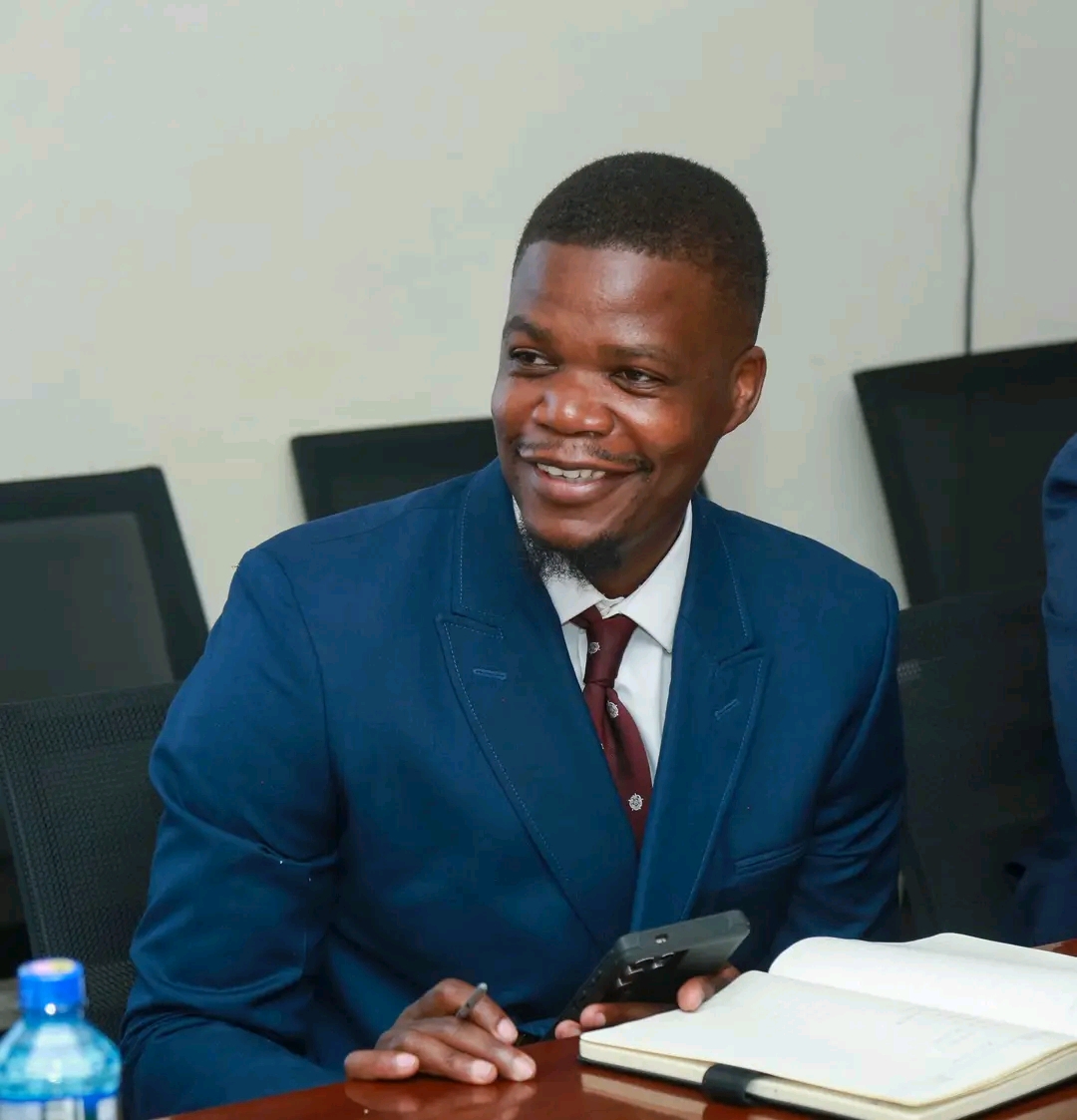
According to Dr Onyango Ndonga, a gynaecologist, menopause is multi-systemic, meaning it affects the entire body.
Common symptoms include vasomotor changes such as hot flashes and night sweats, menstrual changes during perimenopause, and sexual and urogenital changes like vaginal dryness, painful intercourse, reduced libido and urinary incontinence.
Psychological symptoms are equally significant, mood swings, depression, memory lapses and insomnia.
Ndonga, who is the Kenya Medical Practitioners, Pharmacists and Dentists Union Kisumu branch chairman, emphasises four core symptoms—hot flashes and night sweats, vaginal changes, insomnia and mood disturbances.
“Anything out of the normal from around age 40 should be noted,” he says.
“Unexplained joint pain, forgetfulness, insomnia, mood instability should be evaluated.”
In many African communities, menopause carries both restriction and respect. Some beliefs bar menopausal women from planting crops or participating in certain activities. Men may avoid older wives, especially in polygamous homes.
Yet menopause can also elevate a woman’s status.
“She is considered wise and clean,” Ogot says. “She can sit in councils' of elders. She can enter the shamba freely.”
Cultural rules also dictate diet and dress. Some traditions forbid older women from eating eggs or chicken.
“Some of us challenge these beliefs,” she says. “We must.”
For Ogot, silence is the most dangerous symptom of all.
“Menopause is deeply psychological,” she says.
“Silence leads to shame, depression and misdiagnosis.”
Star agrees. Looking back, she wishes she had known earlier what her body was going through.
“If I had understood, I would not have been so scared,” she says.
The urgency of these conversations is growing.
WHO projects that by 2030, about 1.2 billion women worldwide will be aged 50 years and above most post-menopausal.
Without adequate awareness, support systems and healthcare integration, millions of women risk navigating this life stage without information, validation, or care.
WHO calls for menopause to be integrated into health worker training and primary healthcare services, stressing that women need accurate information before, during and after menopause.
For Ogot, this global call mirrors what she sees on the ground every day, women suffering in silence simply because no one told them what to expect.
Speaking openly, restores confidence and dignity.
“When women understand what is happening to their bodies,” she says, “they stop blaming themselves. They begin to heal.”
And in that understanding, menopause stops being something to fear and becomes a transition women can walk through together.
Ndonga says menopause does not require treatment on its own, but prescribed therapies aim to ease symptoms and manage age-related conditions.
Hormone therapy, particularly oestrogen, is effective in reducing hot flashes, other menopausal symptoms, and slowing bone loss. Women who still have a uterus need to take progestin alongside oestrogen.
For vaginal dryness, local vaginal oestrogen applied as a cream, tablet, or ring can relieve discomfort, pain during intercourse, and some urinary symptoms.
Practical tips include dressing in layers with breathable fabrics and using water- or silicone-based lubricants to ease vaginal discomfort.
Rate this article
Login to rate this article
Comments
Please login to comment
No comments yet. Be the first to comment!