
Space & Astronomy
13 min read
The Ancient Origins of Sponges: Unveiling Their First Appearance on Earth
Natural History Museum
January 19, 2026•3 days ago
AI-Generated SummaryAuto-generated
New research estimates the first soft-bodied sponges appeared around 608 million years ago, predating the Cambrian Explosion. This finding bridges a significant gap between fossil and molecular evidence, suggesting sponges evolved much earlier than previously indicated by fossils. The study utilized genetic and fossil data to model spicule and skeleton evolution, offering insights into the origins of early animal life.
The mysterious evolution of the sponges has been revealed.
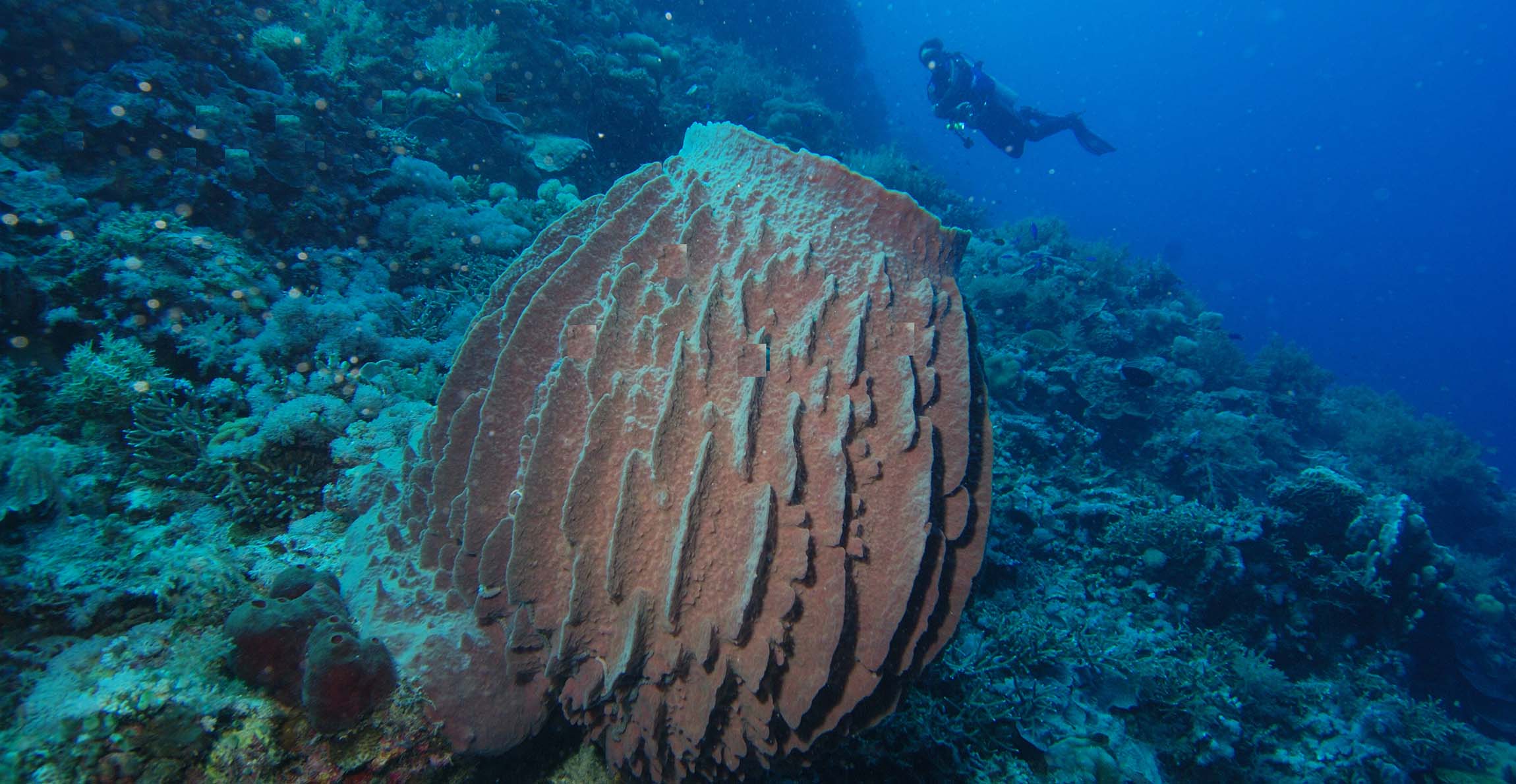
These animals are some of the world’s most ancient, and have been quietly filtering water and forming undersea habitats for hundreds of millions of years. In fact, their place in the tree of life means that understanding sponges helps to reveals how the first animals evolved.
There’s just one problem – it’s very hard to pin down when the first sponges appeared.
Fossil evidence suggests that sponges evolved around 540 million years ago, about the same time as a major transition for life on Earth known as the Cambrian Explosion. But studies based on chemicals suggest they evolved up to 200 million years earlier.
New research, led by our Scientific Associate Dr M Eleonora Rossi, has helped to shrink this gap. It reveals that the first sponges evolved around 608 million years ago and were soft-bodied. Soft tissues don’t tend to fossilise well, explaining why sponges only appear in the fossil record 60 million years later after they developed hard skeletons.
“Until recently, sponges could have evolved anywhere in an enormous gap between the fossil and molecular records,” Eleonora says. “We’ve now really narrowed this gap, and show that sponges were one of the groups of animals that lived long before the Cambrian Explosion.”
“As a result, we’re a bit closer to understanding the evolution of all animals. The genomic and fossil data we’ve included are invaluable to understand what the ancestors of all animals were like.”
The findings of the study were published in the journal Science Advances.
Sponges, spicules and skeletons
To investigate how sponges evolved, the team focused on what are known as spicules. These are individual structures that form the basic building blocks of a sponge’s skeleton. They link together a little like Lego bricks to form the larger structure of the sponge.
But spicules vary across different species, and it’s not entirely certain why.
“Spicules are really interesting,” Eleonora says. “Sponges can have hundreds of different types, but it’s not clear what all of them do. Some are used for structure and support, but we’ve not yet figured out the purpose of many of them.”
“Different sponges also make spicules from different materials, such as silica or calcium carbonate. This suggests they might have evolved at different times.”
Studies looking at how sponges have evolved on a molecular level have suggested that spicules should be present over 700 million years ago. However, another of our Scientific Associates Dr Ana Riesgo Gil says that no spicule fossils of this age have ever been found.
“Some scientists explained this by saying they didn’t preserve well, while others said that ancient spicules might look different to those in modern species,” Ana adds. “That made us interested in finding out exactly what was going on here.”
The first sponges
To investigate how spicules evolved, the team combined genetic and fossil evidence to model when key transitions in sponges took place. Their models drew the same conclusion – spicules and hard sponge skeletons must have evolved just before they appear in the fossil record 543 million years ago.
Different branches of the sponge family evolved spicules at different times, explaining the diverse ways that sponges build their skeletons. It also means that the diversification of early sponges couldn’t be driven by spicules, meaning other factors must have been at work.
The team’s research has also led to the genetic transcripts of a variety of sponges being sequenced for the first time, giving researchers an unprecedented look at their makeup. This data could prove invaluable as scientists try to understand what the first animals were like.
“By looking at the molecular toolkit of sponges, we can understand what the original toolkit of the first animals was,” explains Ana. “It helps us to understand which genes were already present in the first animals, and which ones evolved later in sponges.”
The team are looking to understand how these genes are used to create spicules in their future research, and what that reveals about the evolution of very early animal life.
Rate this article
Login to rate this article
Comments
Please login to comment
No comments yet. Be the first to comment!