
Health & Fitness
15 min read
Weight Loss and Facial Aging: What Clinicians Are Observing
Dermatology Times
January 19, 2026•3 days ago
AI-Generated SummaryAuto-generated
Glucagon-like peptide-1 receptor agonists (GLP-1RAs) are widely used for weight management, leading to substantial weight loss. However, this can cause facial volume loss, colloquially termed "Ozempic face." Public interest in this cosmetic side effect has surged, with searches for related terms increasing significantly. This trend closely mirrors prescribing patterns, indicating that aesthetic concerns are becoming a key consideration alongside the metabolic benefits of these drugs.
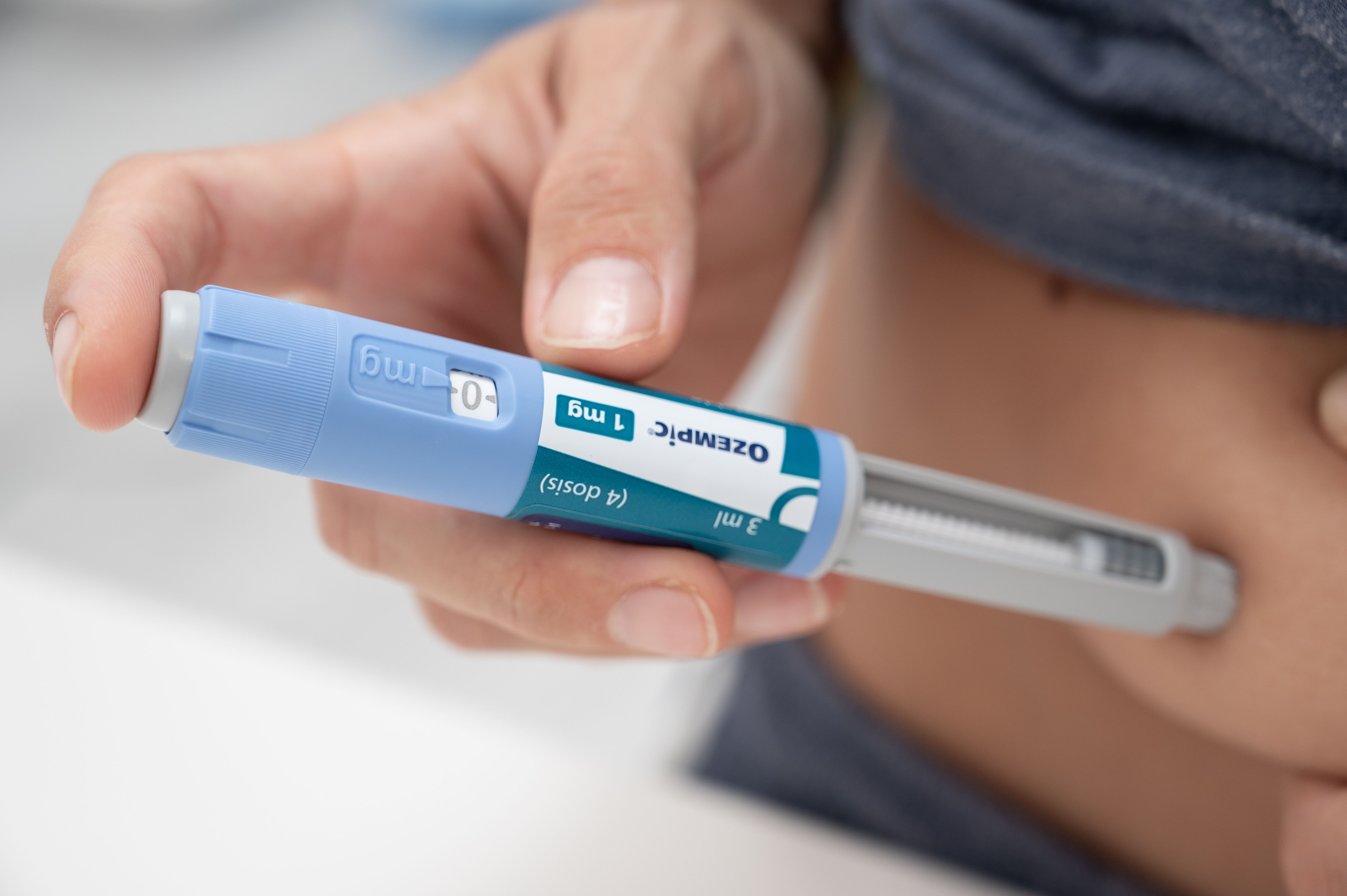
Since the US FDA approved high-dose semaglutide (Wegovy; Novo Nordisk Inc) for chronic weight management in June 2021, glucagon-like peptide-1 receptor agonists (GLP-1RAs) have rapidly become central to both clinical and consumer approaches to obesity. These agents enhance glucose-dependent insulin secretion, suppress glucagon, slow gastric emptying, and promote satiety, thereby improving glycemic control and facilitating substantial weight loss. Clinicians have widely embraced their use, and off-label prescribing has surged accordingly. Yet alongside the metabolic benefits, a growing body of anecdotal and social discourse has raised concerns about cosmetic sequelae, particularly facial volume loss, colloquially termed “Ozempic face.”1
A recent infodemiologic analysis provides an unprecedented look at this phenomenon.2 Using Google Trends (GT) data from November 2021 to December 2024, researchers quantified public interest in semaglutide and its perceived aesthetic implications. The study highlights an extraordinary increase in searches explicitly linking the drug to facial changes: “Ozempic face” RSV rose by 4,600% during the observation period, with peaks in early 2023 and again between April and March 2024. Other rapidly rising related queries included “plastic surgeons Ozempic face” (+3,700%), “Ozempic face before and after” (+2,950%), and “what is Ozempic face” (+2,900%), demonstrating that public concern extends beyond casual curiosity to active exploration of corrective interventions.
Interestingly, the investigation revealed that Google search patterns closely mirrored prescribing trends. Spearman’s rank correlation coefficient between semaglutide prescription volume and RSV was 0.96, while Pearson’s correlation was 0.94—both statistically robust. This suggests that rising public awareness of GLP-1RAs and their cosmetic implications is temporally coupled with clinical adoption, reflecting an intersection of medical utilization and patient-driven information-seeking behavior.
From a dermatologic and aesthetic standpoint, the implications are significant. Rapid weight loss induced by GLP-1RAs appears to affect facial fat compartments differentially, with the deepest losses occurring in the medial cheek, sub-orbicularis oculi, and temporal fat pads. This pattern manifests as infraorbital hollowing, temporal concavity, flattening of the ogee curve, and descent of superficial fat pads along retaining ligaments. Clinically, these changes contribute to nasolabial fold accentuation, jowling, and an overall impression of accelerated facial aging. Mechanistic insights point to depletion of subcutaneous adipose tissue, alterations in adipose stem cell function, and shifts in metabolic signaling as potential contributors.
The study also reviewed emerging therapeutic strategies. Preventive interventions, such as early administration of calcium hydroxylapatite (CaHA) in a hyperdilute formulation, can support both volumization and collagen biostimulation, potentially mitigating early volume loss. For patients presenting after substantial weight reduction, restoration approaches employ a combination of PLLA, hyaluronic acid fillers, and, in select cases, surgical correction. These modalities aim to reconstruct deep and superficial compartments while improving skin quality, reflecting a growing need for integrated aesthetic management in patients undergoing rapid pharmacologic weight loss.
While the study provides valuable insights, limitations are acknowledged. GT data capture relative, not absolute, search volume and cannot distinguish between patient, clinician, or media searches. Regional variations and social media discourse outside Google Search were not assessed. Despite these constraints, the findings illuminate a clinically relevant trend: patient awareness of potential aesthetic sequelae is rising in tandem with GLP-1RA utilization.
For dermatology clinicians, these insights underscore the importance of anticipatory counseling. Patients initiating GLP-1RA therapy may benefit from discussion of potential facial changes, and early engagement with regenerative or volumizing strategies could be considered for those undergoing rapid weight loss. Furthermore, interdisciplinary collaboration between prescribers and aesthetic specialists may become increasingly relevant as the population of GLP-1RA users continues to expand.
This infodemiologic evaluation highlights a novel facet of GLP-1RA therapy: the rapid emergence of public concern regarding facial volume loss. The temporal alignment of drug adoption and search interest emphasizes that aesthetic outcomes are becoming a key consideration in weight-loss pharmacotherapy. As GLP-1RA use continues to grow, clinicians are likely to encounter patients seeking both preventive and restorative strategies, making awareness and integration of evidence-based interventions an emerging standard of care.
References
Rate this article
Login to rate this article
Comments
Please login to comment
No comments yet. Be the first to comment!