
Space & Astronomy
8 min read
Walking Sharks Break Reproductive Rules: New Research Revealed
ScienceDaily
January 21, 2026•1 day ago
AI-Generated SummaryAuto-generated
Epaulette sharks, or "walking sharks," exhibit unusually efficient reproduction, maintaining stable energy use during egg production. Research found no increase in metabolic cost, challenging assumptions about energy demands for shark reproduction. This suggests resilience to environmental stressors, potentially enabling continued egg production even under challenging conditions.
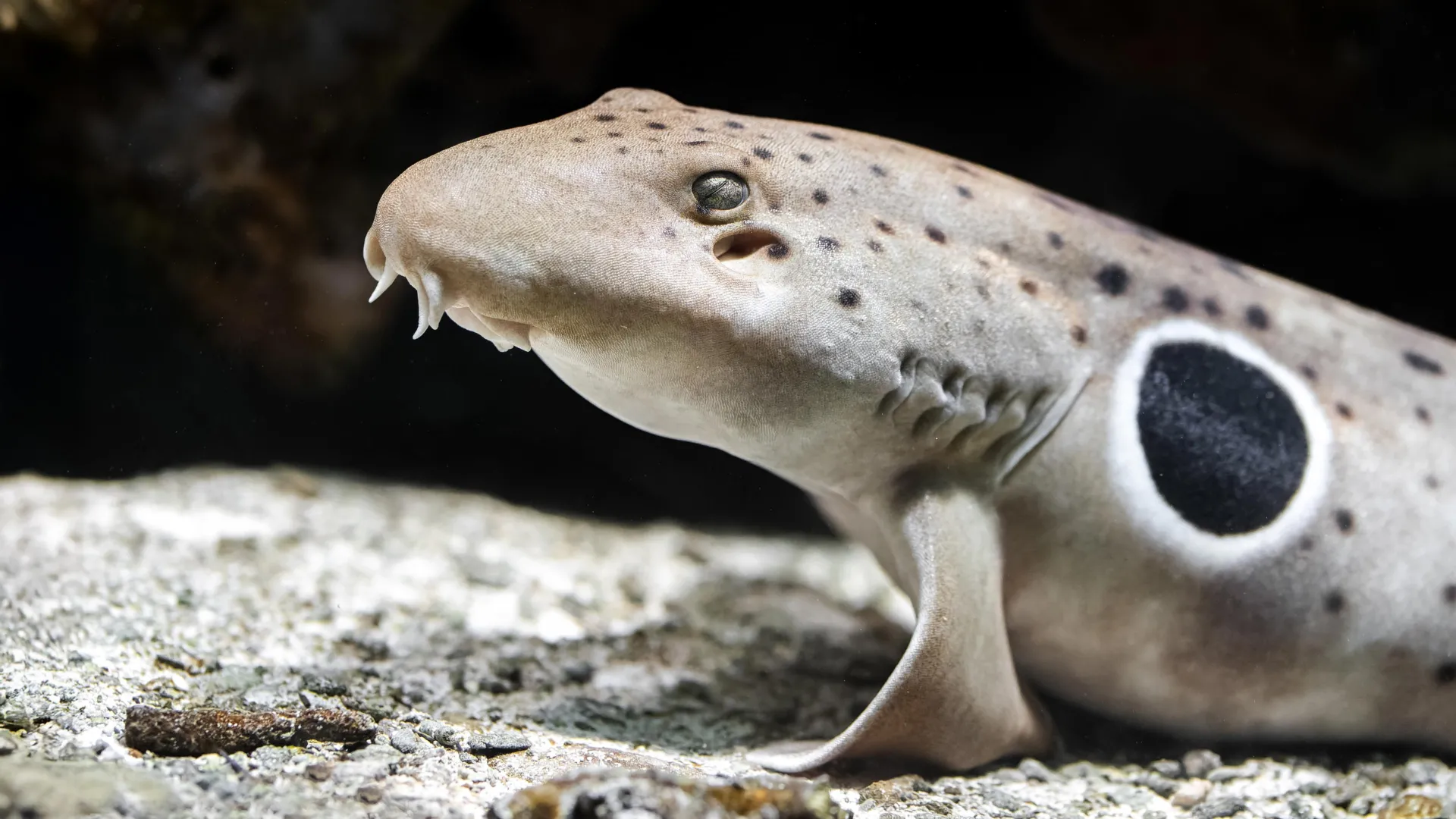
The discovery comes from new research by JCU's shark physiology team, led by Professor Jodie Rummer. The study, published in Biology Open, closely tracked how much energy epaulette sharks, commonly known as "walking sharks," used during their short reproductive cycle.
"Reproduction is the ultimate investment … you are literally building new life from scratch," Prof Rummer said.
"We expected that when sharks make this complex egg, their energy use would shoot up. But there was no uptick in energy use, it was completely flat."
Measuring the True Cost of Shark Reproduction
For most species, reproduction is thought to demand a major increase in energy. Until now, however, no study had directly measured the metabolic cost of egg laying in sharks.
According to Prof Rummer, epaulette sharks seem to have evolved an unusually efficient system. "These sharks appear to have adapted their physiology to be able to optimize their energy use," she said.
"This work challenges the narrative that when things go wrong -- such as warming oceans -- that reproduction will be the first thing to go.
"Epaulette sharks appear very resilient, but it's important to determine just how resilient to warming oceans these species are."
Inside the Study Setup
Epaulette sharks typically produce two eggs every three weeks, with most egg-laying occurring between September and December. To capture the full picture, the research team monitored five female sharks before, during and after egg case formation.
The sharks were kept in large, temperature-controlled tanks at the Marine and Aquaculture Research Facility Unit at James Cook University in Townsville. This controlled environment allowed the researchers to carefully measure changes in energy use throughout the reproductive process.
"We measured their oxygen uptake rates, which are a proxy for their metabolic rate … the more oxygen you burn, the more energy you use," Prof Rummer said.
Stable Metabolism Under Stress
Lead author Dr. Carolyn Wheeler, a recent JCU PhD graduate, explained that the team also examined blood chemistry and hormone levels while the sharks were producing eggs.
"Everything was remarkably stable, so this research challenges our fundamental assumptions about chondrichthyan fishes (sharks, rays, skates and chimaeras)," she said.
"Under environmental stress many species will choose between survival and reproduction, but the epaulette shark might be able to continue to produce eggs, even under such stressors.
"That's encouraging, because healthy sharks equal healthy reefs."
Rate this article
Login to rate this article
Comments
Please login to comment
No comments yet. Be the first to comment!