
Economy & Markets
12 min read
Victorian Coastal Towns See Rents Surge Amidst Sea Change Demand
The Age
January 20, 2026•2 days ago
AI-Generated SummaryAuto-generated
Victorian coastal towns are experiencing significant rent increases, driven by strong demand from sea-change movers and a shortage of new housing. Areas like Colac Otway and the Surf Coast have seen substantial rises. Economists attribute this to population and job growth, lifestyle appeal, and limited new supply, with rents in regional Victoria rising faster than in Melbourne.
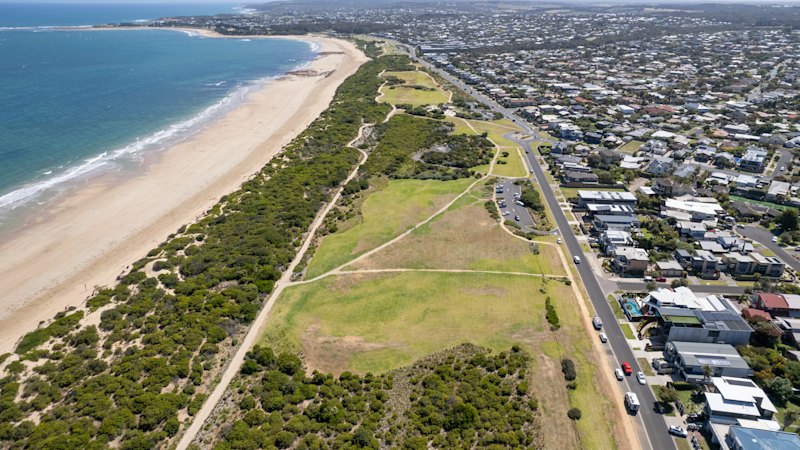
Rents in most of Victoria’s coastal areas have risen over the past year as demand from sea-change movers outpaces new housing supply in regional rental markets.
Rents in the Colac Otway shire rose 11.1 per cent to a median of $500 a week, Domain’s latest Rent Report for the December quarter shows.
Moyne Shire, which includes Port Fairy, rose 10 per cent to a median of $495, while the Surf Coast recorded a 7.7 per cent increase to $700 a week. Warrnambool, Bass Coast and Glenelg also recorded rental increases over the year.
Rents for houses across regional Victoria as a whole increased 4.2 per cent over the past year to a median of $500 a week, and most regional local government areas in the state pushed higher.
Senior economist at Domain, Dr Joel Bowman, said while rental growth across regional Victoria had slowed from its pandemic peak, asking rents are rising faster than in Melbourne, where house rents fell 1.7 per cent over the past year.
Loading
“What we’re seeing is an ongoing shortage of rental properties available [in regional Victoria], so vacancy rates still remain very low,” Bowman said. “That’s placing a lot of upward pressure on rents.
“It’s just been a lot harder to bring new supply online in some of those regional pockets.”
Bowman said population and job growth have been quite strong in these areas and underpin rental demand.
“But we’re going to see this ongoing structural demand for people looking to move to the regions, particularly due to lifestyle appeal and an ageing population.”
On short-term rentals, Bowman said the relationship with rising rents is not straightforward.
“I haven’t seen any very strong evidence of that relationship,” he said. “Not all of those properties would necessarily be available on the long-term rental market, some are holiday homes, and if regulations changed, they may simply be left vacant rather than rented out.”
Bryan Hayden, director at Hayden Real Estate, who covers the Surf Coast, said the region was experiencing a major shortage of rental properties.
“Rentals along the coast are in short supply, and it’s not getting any better,” Hayden said. “The common price range now is $700 to $900 a week, driven purely through lack of supply.”
He attributed the shortage to rising development costs, planning controls and regulatory delays.
“No developer will apply for rezoning because of the 50 per cent windfall tax… plus you’ve got development taxes, permit delays, overlays and stamp duty issues,” he said.
“The rental problem can only be solved with private enterprise input, and private enterprise won’t go near it while they’re subject to so many draconian taxes and brick walls to climb over,” he said.
Hayden said demand was coming from both locals and people relocating from Melbourne and Ballarat, with younger residents increasingly priced out of their home towns.
Loading
KPMG director of planning and infrastructure economics Terry Rawnsley said rising rents reflected ongoing population growth and worsening affordability in larger regional hubs.
“There’s a ripple effect happening,” Rawnsley said. “In the past, you might have been able to afford to live in Geelong - now, prices are so high there you might be looking to move to Colac.”
He said population shifts could have affected rent prices in smaller communities.
“There might be a town of 5000 or a local government area of 20 or 30,000 so even 50 or 100 additional people coming into the area is enough to shift the dial on the local rents,” he said.
Rawnsley said supply constraints had been building for years.
“Before COVID, some regional towns had stagnant populations, and there wasn’t a strong developer market building new homes,” he said. “Existing surplus stock has been soaked up, but new supply hasn’t kept pace with demand.”
Competition for rentals has intensified sharply, according to Brooke West, business development manager at Ray White Warrnambool.
Rate this article
Login to rate this article
Comments
Please login to comment
No comments yet. Be the first to comment!