
Geopolitics
11 min read
US Officially Withdraws from WHO, Citing Mission Deviation
ABC News
January 22, 2026•3 hours ago
AI-Generated SummaryAuto-generated
The U.S. has officially exited the World Health Organization, following a year-long withdrawal process initiated by the Trump administration. The government cited the WHO's perceived deviation from its core mission and actions detrimental to U.S. interests, particularly during the COVID-19 pandemic. Public health experts criticize this move, warning of disadvantages in responding to global health crises and emerging threats.
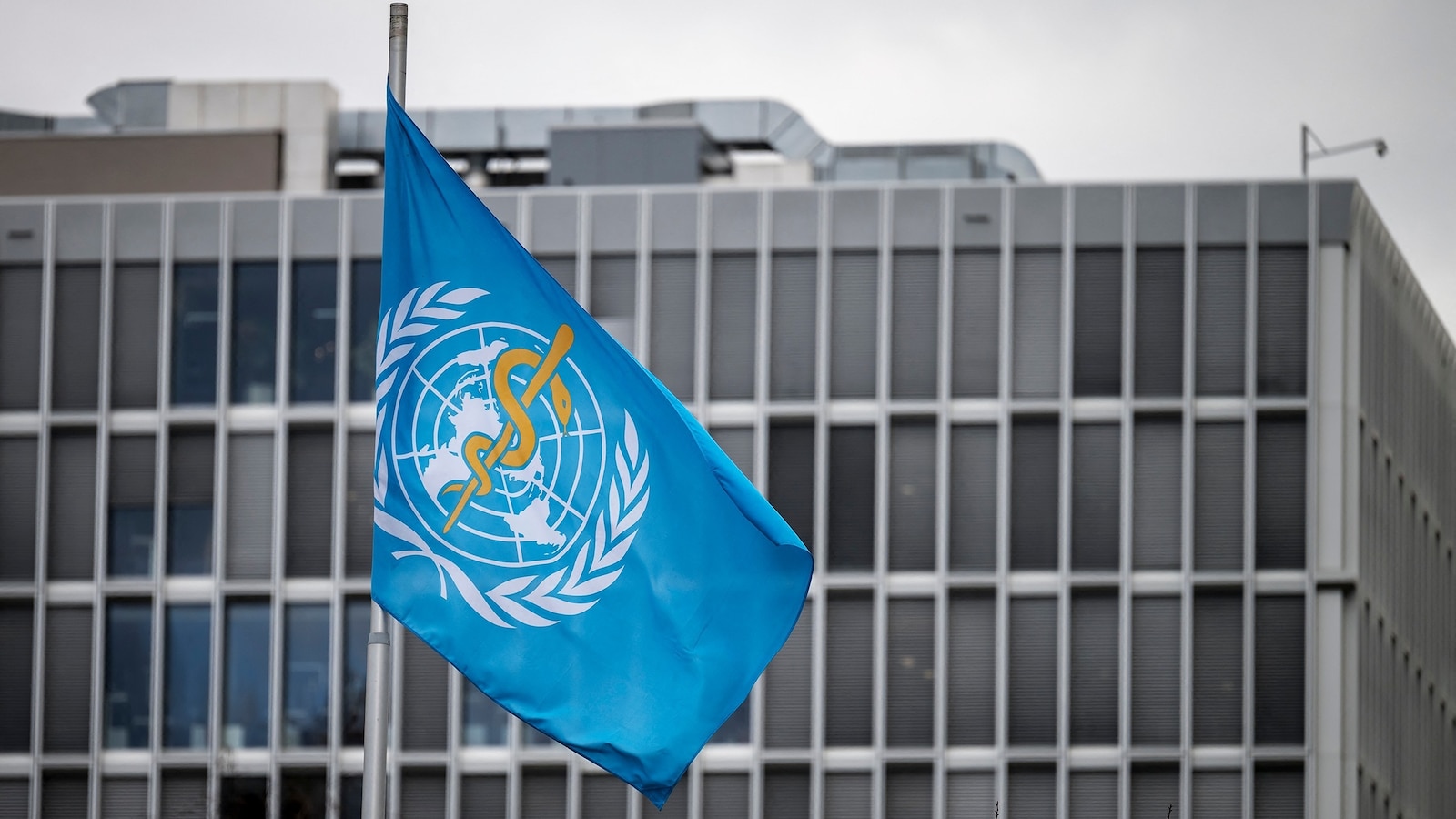
The U.S. has officially completed its withdrawal from the World Health Organization (WHO), the Trump administration announced on Thursday.
It comes exactly one year after President Donald Trump signed an executive order to begin the process of withdrawal.
The move was announced by the Department of Health and Human Services (HHS) and the Department of State.
A senior HHS official said on Thursday that the WHO "strayed from its core mission and has acted contrary to the U.S. interests in protecting the U.S. public on multiple occasions."
The HHS focused much of its critique on the WHO's actions during the COVID-19 pandemic, claiming that it delayed its response in declaring COVID-19 to be a global health emergency, and saying the organization unfairly criticized Trump for actions such as shutting down travel from certain foreign countries during the early days of the pandemic.
The HHS also argued that other countries, such as China, have been contributing less monetarily than the U.S. and that there has never been an American director-general of the WHO despite the amount of money the U.S. has contributed.
Public health experts have criticized the withdrawal from the WHO saying it will put the U.S. at a disadvantage when it comes to responding to health crises at home and abroad.
"The U.S. withdrawal from the World Health Organization is a shortsighted and misguided abandonment of our global health commitments. Global cooperation and communication are critical to keep our own citizens protected because germs do not respect borders," Ronald Nahass, president of the Infectious Diseases Society of America, told ABC News.
Nahass said withdrawal will hamper U.S. efforts to surveil "emerging threats
such as Ebola" or "the persistent burden of annual flu outbreaks." He added that leaving the WHO will also impact the U.S.'s ability to match vaccines to circulating flu strains.
"Withdrawing from the World Health Organization is scientifically reckless. It fails to acknowledge the fundamental natural history of infectious diseases. Global cooperation is not a luxury; it is a biological necessity," he said.
The senior HHS official said the U.S. will continue to be a leader in global public health and that HHS already has more than 2,000 staff members in 63 countries and has bilateral agreements with hundreds of countries.
To fill the gaps that will be left by exiting the WHO, the official said there are "plans" in place to work with organizations on surveillance, diagnostics and outbreak response.
For a country to leave the WHO, the United Nations says there are criteria including giving one year's notice and paying all the dues it owes.
The U.S. gave one year's notice when Trump signed the executive order. However, the U.S. currently owes more than $270 million to the WHO for the 2024-2025 period, according to the U.N.
The senior HHS official argued the U.S. is not under obligation to pay under the WHO's Constitution, which was adopted in 1948.
A spokesperson for the WHO noted that the withdrawal was "on the agenda of the upcoming Executive Board meeting, and the Secretariat will act on advice and guidance of our governing bodies accordingly." The meeting is scheduled for early February.
The HHS said there are currently no plans to rejoin the WHO or participate as an observer.
Next month, the WHO is leading a flu shot meeting, which the U.S. has traditionally played a major role in, including analyzing samples, but it's unclear if the U.S. will participate.
Rate this article
Login to rate this article
Comments
Please login to comment
No comments yet. Be the first to comment!