
Politics
8 min read
TransJabodetabek Expands: New Airport and Jababeka Routes to Ease Jakarta Traffic
Tempo.co English
January 20, 2026•2 days ago
AI-Generated SummaryAuto-generated
Jakarta plans to expand TransJabodetabek routes to combat traffic congestion. New services will connect Soekarno-Hatta International Airport to Blok M and Cawang to Jababeka industrial estate, targeting workers and travelers. The aim is to increase public transport utilization from 23.4 percent to 30 percent, significantly reducing city gridlock.
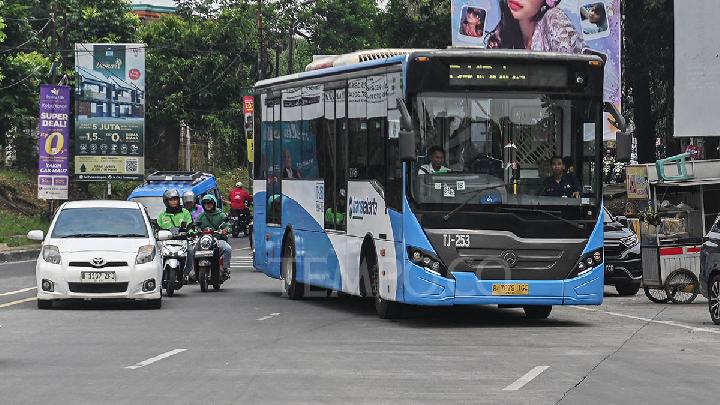
TEMPO.CO, Jakarta - Jakarta Governor Pramono Anung has announced plans to expand the TransJabodetabek network to tackle the capital’s persistent traffic congestion. Despite Transjakarta achieving a 92 percent connectivity rate, public utilization remains low at just 23.4 percent.
Pramono noted that the expansion will focus on strategic hubs for workers and travelers. One of the most anticipated additions is a direct route connecting Soekarno-Hatta International Airport (Soetta) to the Blok M culinary and commercial district.
"I have instructed the Head of the Transportation Agency to open new TransJabodetabek routes. I recently discussed this with the Director General, and we are hopeful for the approval of the Airport-to-Blok M line," Pramono stated during a visit to the Duta Merlin Shopping Complex in Central Jakarta on Tuesday, January 20, 2026.
The proposed airport route is expected to become a primary corridor due to the massive daily demand for access between Blok M and the international gateway. In addition to the airport line, the Jakarta Provincial Government is planning a new service from Cawang to Jababeka. This route is specifically designed to facilitate the thousands of industrial workers who commute between the Jababeka industrial estate and their residences in Jakarta.
"From Cawang to Jababeka, why are we doing this? Because the concentration of workers in Jababeka is very high, and their transportation needs are equally significant," Pramono explained.
The Governor added that his administration is currently finalizing the operational details and maintaining close coordination with the Ministry of Transportation. He further urged the public to take greater advantage of the city's integrated transport network to help ease Jakarta’s gridlock.
He emphasized that even a modest increase in ridership could have an impact on the city's traffic flow. "I believe that if we can push public utilization to, let's say, 30 percent, it will significantly reduce the congestion in Jakarta," he said.
Currently, the TransJabodetabek system operates 15 routes connecting Jakarta to its satellite buffer cities, including Bogor, Depok, Tangerang, and Bekasi. The provincial government maintains a flat fare of Rp 3,00 for these routes, consistent with the standard Transjakarta city service.
Read: Transjakarta Daily Passengers to Hit 1.4 Million, Mostly Gen Z and Millennials
Rate this article
Login to rate this article
Comments
Please login to comment
No comments yet. Be the first to comment!