
Health & Fitness
14 min read
Malfunctioning Thyroid? Doctors Advise Consultation Before Testing
The Hindu
January 21, 2026•1 day ago
AI-Generated SummaryAuto-generated
Doctors advise against self-diagnosing thyroid issues due to overlapping symptoms with common ailments like stress and poor sleep. Thyroid disorders, while treatable, can be overdiagnosed. Testing is recommended only when symptoms are persistent, progressive, accompanied by physical signs, or if there's a family history, to avoid unnecessary treatment and anxiety.
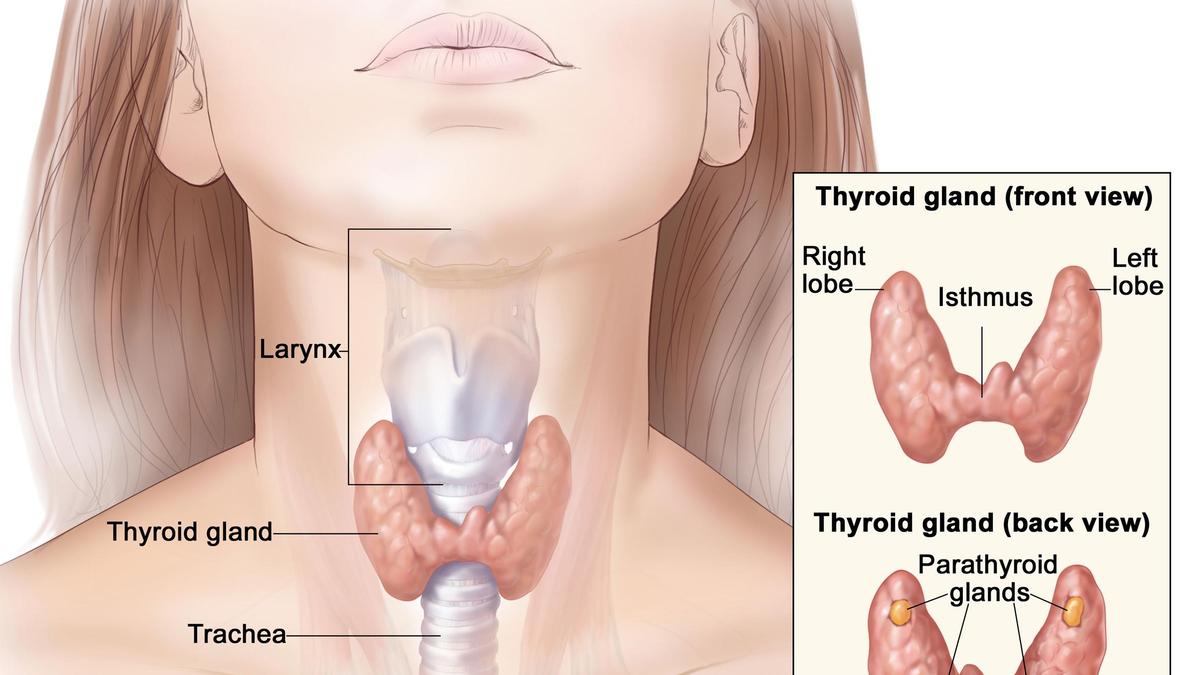
The thyroid is a small, butterfly-shaped gland located at the front of the neck, but its influence extends across nearly every system in the body. It produces two hormones -- thyroxine (T4) and triiodothyronine (T3) that regulate metabolism and determine how fast or slow the body functions.
“These hormones influence the speed of our organs and directly affect heart rate, digestion, energy levels and body temperature,” said Pearlsy Grace Rajan, senior consultant, internal medicine, Rela Hospital, Chennai. In this sense, she explained, the thyroid acts as a metabolic regulator, keeping the body’s systems in balance.
When thyroid hormone levels fluctuate, the effects are felt across the body, influencing on metabolism, menstrual cycles and even mood. According to Usha Ayyagari, senior consultant, endocrinology and diabetes care, Apollo Speciality Hospitals, OMR, Chennai, thyroid hormones act on virtually every cell. They regulate energy use, growth, digestion and temperature, making their role fundamental to overall health.
Similar symptoms
Thyroid disorders broadly present as either an underactive gland (hypothyroidism) or an overactive one (hyperthyroidism), each associated with a distinct set of symptoms.
Hypothyroidism may cause persistent fatigue, weight gain, feeling cold, constipation, dry skin, thinning hair, low mood, memory difficulties and a slowed heart rate. Hyperthyroidism can lead to weight loss despite a good appetite, palpitations, tremors, anxiety, excessive sweating, heat intolerance, sleep disturbance, loose stools and menstrual irregularities. Neck swelling or goitre may also be seen in some cases.
The difficulty, doctors say, lies in the fact that many of these symptoms are common in modern life. Ravikiran Muthuswamy, endocrinologist, senior consultant, SIMS Hospital, Chennai, said the thyroid remains one of the most misunderstood organs in clinical practice. “Many people walk into the clinic already convinced they have a thyroid problem, even before any tests are done,” he said.
When it comes to symptoms, “the overlap is huge,” said Dr. Ravikiran. Stress, poor sleep, dietary issues and lack of physical activity can also produce identical complaints, leading people to suspect thyroid disease even when hormone levels are normal.
Dr. Pearlsy noted that this overlap is a key reason thyroid problems are frequently overdiagnosed. Dr. Usha added that in women, peri-menopausal and post-menopausal symptoms further blur the picture, as they often resemble thyroid-related complaints.
Indications for thyroid testing
Doctors stress that thyroid testing should be driven by clinical suspicion rather than by isolated symptoms or general health packages.
Testing becomes relevant when symptoms are persistent, progressive or accompanied by physical signs, or when there is a clear family history of thyroid disease. It is also commonly indicated in pregnancy, the postpartum period, in people with autoimmune conditions, and in those on medications that can affect thyroid function.
“After evaluation, testing is useful when there is genuine suspicion, not curiosity,” Dr. Usha said. She pointed out that marginal or borderline abnormalities are frequently detected during routine health check-ups and must be interpreted carefully by a healthcare professional. Such values may not always require treatment and can be influenced by medications, supplements or temporary physiological changes.
Costs of excess
Casual testing based on advice from friends, social media or unverified sources is a growing concern among clinicians. “A slightly abnormal number does not automatically mean disease,” Dr. Ravikiran said. Treatment based on laboratory values alone can lead to unnecessary medication and long-term consequences.
Dr. Pearlsy warned that misinterpretation of reports can result in anxiety, repeated investigations and avoidable treatment. Over time, this may translate into lifelong medication for individuals who never required it.
At the same time, doctors caution that genuine cases of thyroid disease should not be ignored. Undiagnosed thyroid disorders can lead to complications such as heart rhythm disturbances, fertility problems, pregnancy-related complications, reduced bone density and metabolic issues.
Clinicians emphasise, thyroid disorders are common and treatable, but not every symptom is hormonal. So, doctor-guided testing and careful interpretation remain central to avoiding both missed diagnoses and unnecessary treatment.
Rate this article
Login to rate this article
Comments
Please login to comment
No comments yet. Be the first to comment!