
Space & Astronomy
14 min read
Scientists Forge Synthetic Bacteriophages to Battle Drug-Resistant Bacteria
Drug Target Review
January 20, 2026•2 days ago
AI-Generated SummaryAuto-generated
Scientists have developed a fully synthetic method to engineer bacteriophages, offering a faster and safer approach to creating virus-based treatments for drug-resistant bacteria. This breakthrough system allows phages to be built from digital sequence data and reprogrammed for specific behaviors, overcoming traditional limitations. The technology could accelerate the development of new therapies against antibiotic-resistant pathogens.
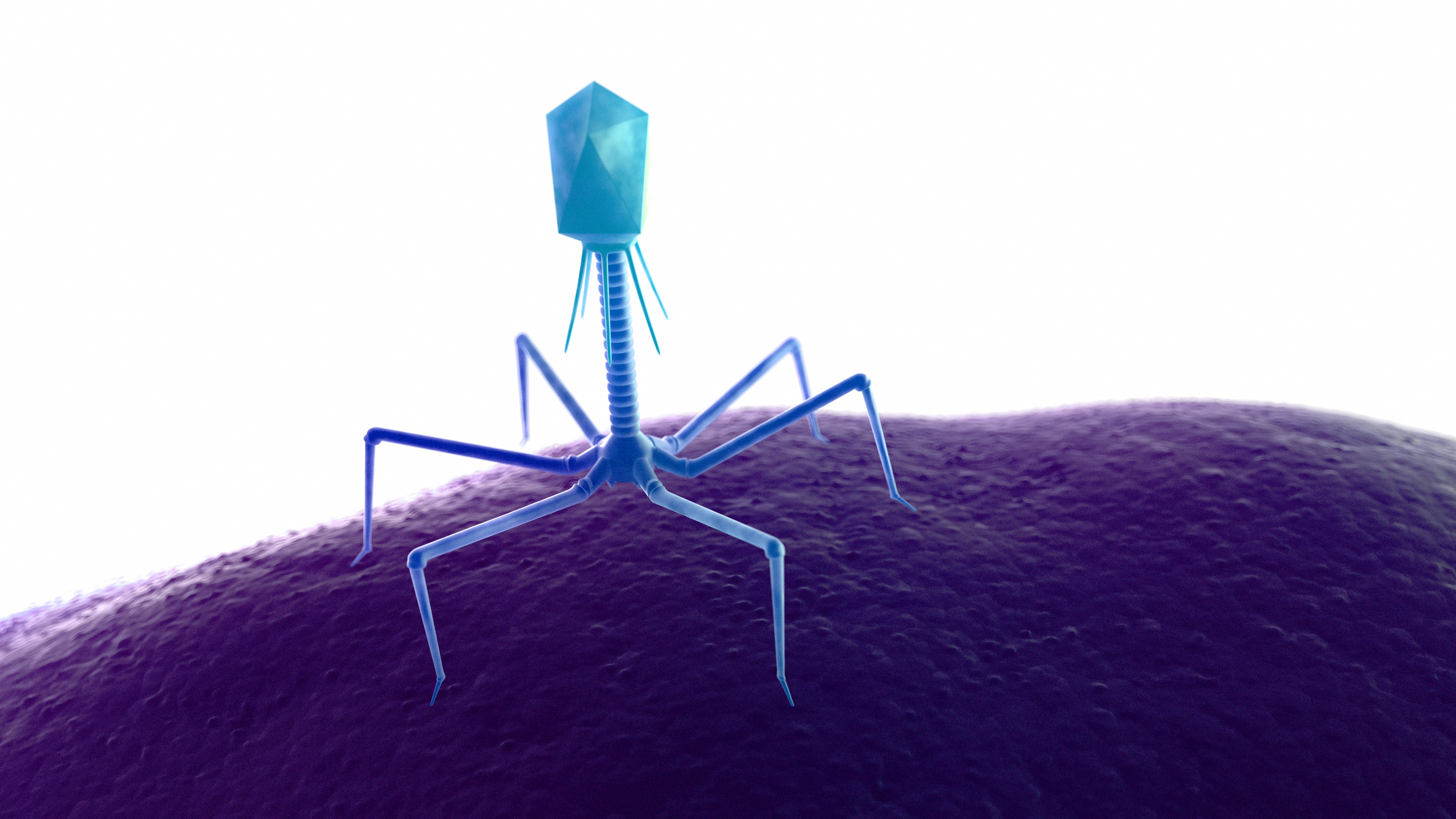
Scientists have developed the first fully synthetic method for building and reprogramming bacteriophages, offering a faster and safer route to designing virus-based treatments for drug-resistant bacteria.
Bacteriophages have been used to treat bacterial infections for more than a century, but their therapeutic potential has remained largely untapped in modern medicine. As antibiotic resistance continues growing as a global threat, a new study published details a technological breakthrough that could accelerate bacteriophage-based drug development.
Researchers from New England Biolabs (NEB®) and Yale University have developed the first fully synthetic bacteriophage engineering system for Pseudomonas aeruginosa, a highly antibiotic-resistant pathogen. The research introduces a faster, safer and more versatile approach to engineering bacteriophages using digital sequence data rather than relying on naturally isolated viruses.
Building phages from sequence data
The new system is based on NEB’s High-Complexity Golden Gate Assembly (HC-GGA) platform, which enables the assembly of entire bacteriophage genomes outside the cell from short synthetic DNA fragments. In the study, the team constructed a P. aeruginosa phage from 28 synthetic fragments and programmed new behaviours through point mutations, insertions and deletions.
In the study, the team constructed a P. aeruginosa phage from 28 synthetic fragments and programmed new behaviours through point mutations, insertions and deletions.
These genetic modifications included swapping tail fibre genes to alter the phage’s bacterial host range, as well as inserting fluorescent reporter genes to allow real-time visualisation of infection. By assembling phages directly from sequence data, the researchers could incorporate all intended genetic changes in a single step.
“Even in the best of cases, bacteriophage engineering has been extremely labour-intensive. Researchers spent entire careers developing processes to engineer specific model bacteriophages in host bacteria,” said Andy Sikkema, co-first author and research scientist at NEB. “This synthetic method offers technological leaps in simplicity, safety and speed, paving the way for biological discoveries and therapeutic development.”
Overcoming long-standing barriers
Traditional phage engineering depends on propagating physical phage isolates in specialised host bacteria, a process that is particularly challenging when working with human pathogens. The new approach eliminates the need for these steps, reducing biosafety risks and avoiding labour-intensive screening or repeated rounds of in-cell editing.
Golden Gate Assembly also offers technical advantages over other DNA assembly methods. By using shorter DNA segments, the system reduces toxicity to host cells, simplifies DNA preparation and lowers the risk of errors. It is also better suited to handling repetitive sequences and the extreme GC content characteristic of many bacteriophage genomes.
Combined, these features expand the range of bacteriophages that can be engineered and studied.
From molecular tools to therapeutic potential
This study is a collaboration between NEB scientists, who refined Golden Gate Assembly for large and complex DNA targets, and bacteriophage researchers at Yale University who recognised its potential for therapeutic applications.
Researchers at NEB first optimised the method using the well-studied Escherichia coli phage T7 before expanding it to non-model phages targeting antibiotic-resistant pathogens.
Researchers at NEB first optimised the method using the well-studied Escherichia coli phage T7 before expanding it to non-model phages targeting antibiotic-resistant pathogens. Similar studies have already shown the platform’s versatility, including the synthesis of high-GC mycobacteriophages and the development of phage-based biosensors for detecting E. coli in drinking water.
“My lab builds ‘weird hammers’ and then looks for the right nails,” said Greg Lohman, senior principal investigator at NEB and co-author on the study. “In this case, the phage therapy community told us, ‘That’s exactly the hammer we’ve been waiting for.’”
While further preclinical testing is needed, the researchers believe the technology could change how bacteriophage therapeutics are discovered, engineered and evaluated, potentially leading to new methods to combat antibiotic-resistant infections.
Rate this article
Login to rate this article
Comments
Please login to comment
No comments yet. Be the first to comment!