
Entertainment
8 min read
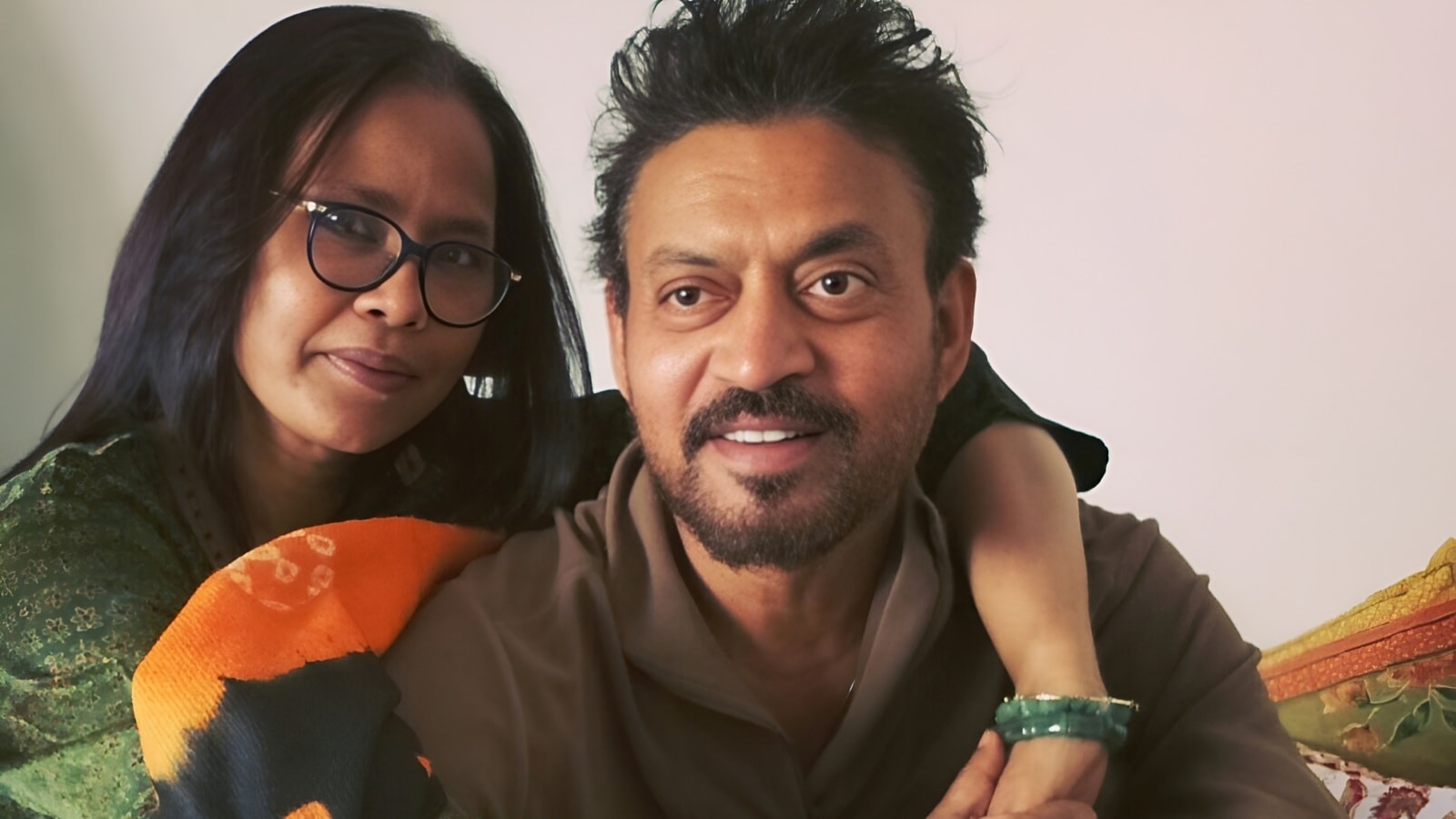
Sutapa Sikdar Shares Her Journey of Grief After Irrfan Khan's Passing
The Indian Express
January 18, 2026•4 days ago
AI-Generated SummaryAuto-generated
Sutapa Sikdar describes profound grief after Irrfan Khan's death, highlighting how the loss creates overwhelming pain and a collapse of one's world. She finds healing through memories of his calmness and is evolving, gaining new perspectives. A psychologist explains that shared values and mutual respect are crucial for strong bonds, and memories can eventually shift from sadness to gratitude, supporting recovery.
The depth of grief and its psychological impact
Rahul Mamindla, psychologist at Jagjivan Ram Hospital, Western Railway, explains that such profound pain often reflects the closeness and intensity of the bond shared. “For the most part, everyone’s life revolves around their loved person. We share experiences, emotions, plan futures, and act accordingly. In the case of a loved one’s death, the world around us seems to collapse. Past, present, and future no longer exist, and hence the pain feels unbearable and numb.”
Initially, grief can manifest as shock, denial, or an overwhelming focus on the pain itself, leaving little room for other emotions. Over time, however, individuals gradually begin to process their loss while holding onto the memories of the deceased.
Memories as a source of healing
Sikdar’s recollection of Irrfan illustrates how memories can aid healing: “I miss his calmness. I’m a very anxious person. I am a very loud person. And he was the most calm. His voice was so soft. Since he was diagnosed, I have not written anything. I’m writing a book right now. But the point is, I’m also evolving because the pain has given me a perspective to see life.”
Mamindla adds that remembering a loved one with humility and appreciation can support recovery. “Initially, memories evoke sadness or anger, but over time, they can be intentionally revisited to feel gratitude for the love, care, and moments shared. This process allows the living partner to heal and find meaning while honouring the deceased.”
ments shared. This process allows the living partner to heal and find meaning while honoring the deceased.”
It’s not about romance: Sutapa Sikdar
Sikdar emphasized that her bond with Irrfan was grounded not just in love but in shared values: “It’s not about love and romance. It’s about two people believing in the same things, not exactly the same profession, but the ethics, the values. If they’re the same, it really feels good.”
Story continues below this ad
Rahul Mamindla, psychologist, notes that such alignment is crucial for a strong relationship. “Ethics and values can differ based on personal experience, culture, and social settings. Partners who negotiate their definitions and understand each other’s perspectives create a common ground where the relationship can thrive. This mutual respect ensures transparency and compatibility,”
Sikdar’s confession is a powerful testament of how life can look like after immense loss — where grief coexists with growth, memories serve as anchors, and shared values form the foundation of enduring love.
Rate this article
Login to rate this article
Comments
Please login to comment
No comments yet. Be the first to comment!