
Geopolitics
14 min read
How Conflict Inspired Scholastique Mukasonga's 'Our Lady of the Nile'
Gulf Today
January 18, 2026•4 days ago
AI-Generated SummaryAuto-generated
Rwandan author Scholastique Mukasonga discussed how the 1994 genocide inspired her to write "Our Lady of the Nile," a novel exploring ethnic divisions in a girls' school. She used writing to preserve memories and process trauma, drawing on oral storytelling traditions. The book, set in the 1970s, won major awards and was adapted into a film.
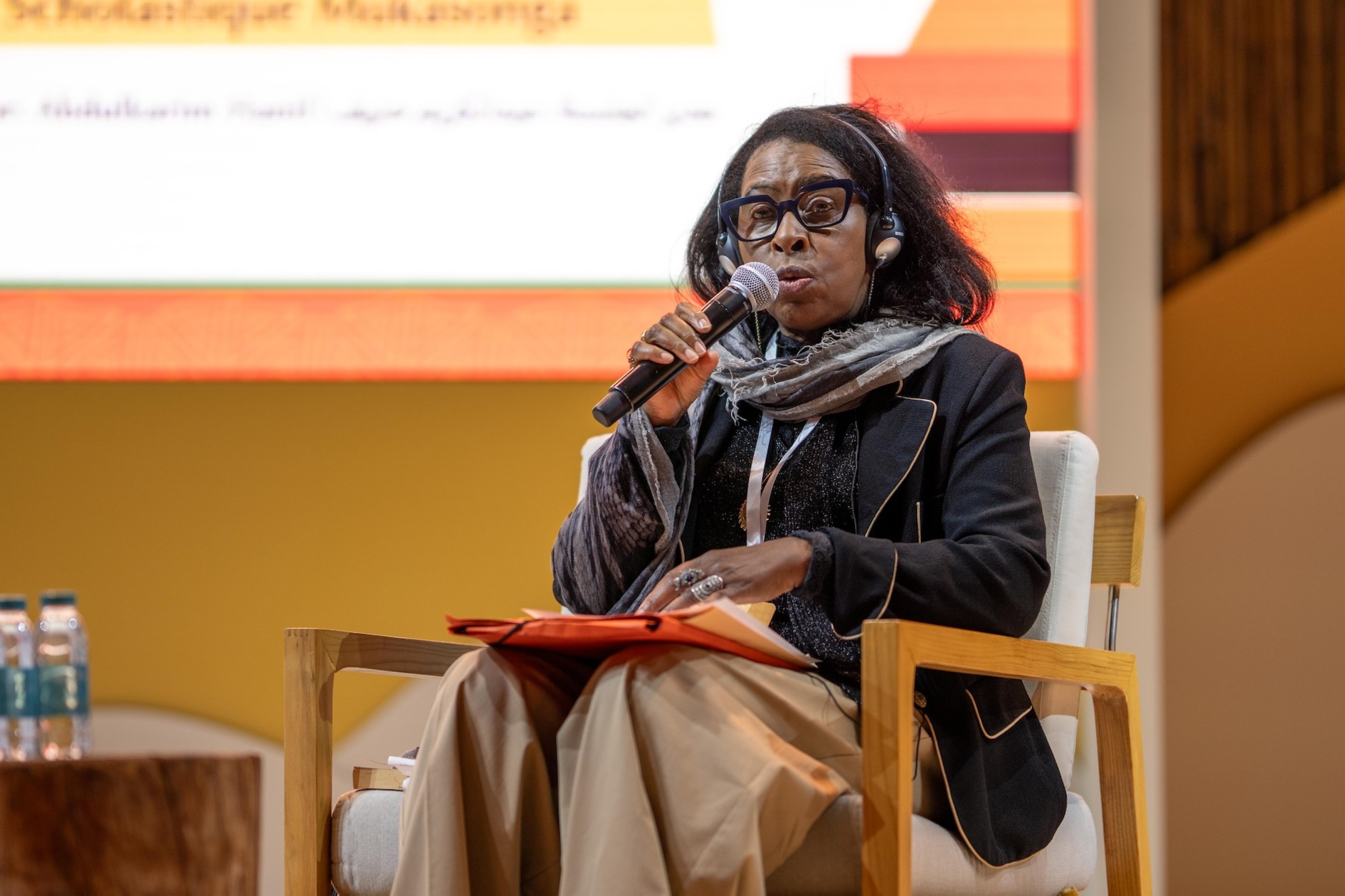
In an in-conversation session at the second edition of the Sharjah Festival of African Literature (SFAL), acclaimed Rwandan author Scholastique Mukasonga recounted how the 1994 incident in Rwanda, and losing 37 members of her family to it, led her to write her first novel Our Lady of the Nile.
Named after the book’s title, the talk highlighted how Mukasonga took to writing as a way to preserve the memory of the conflict. The book is not about the conflict; it is set in a girls’ boarding school in Rwanda in the early 1970s, and develops in the context of ethnic divisions, exploring education, womanhood, and the concept of belonging.
Born in Rwanda in 1956, Mukasonga’s childhood was spent amid tensions, which forced her family into exile in the Bugesera region. She fled to Burundi before settling in France in 1992. Our Lady of the Nile has won major prizes, including the Renaudot (2012), and was adapted into an award-winning film in 2019.
Speaking at SFAL 2026, Mukasonga told session moderator Abdul Karim Hanif that she feared losing details of the memory of the conflict and needed an outlet for her trauma. So she started writing Our Lady of the Nile, even though she had no background in penning a novel. Mukasonga was, however, familiar with the oral storytelling tradition of her home country, and leveraged this in her literary development.
“As a child, I didn’t have many chances to write. But I went on to create characters and managed to write a novel that was well-received,” she said, adding that others too can follow this path.
The success of Our Lady of the Nile and subsequent works encourage her to continue writing, including biographies and short stories. Mukasonga said she visits Rwanda every year, describing it as a place where “the sun is shining now”.
From Africa to the world, the role of translators in narrative discourse
Also on Friday, the third day of the festival, a panel discussion titled ‘The Book Beyond Borders: African Stories in Translation’, focused on the international spread of contemporary African literature. Panellists Kola Tubosun and Ayalneh Mulatu Abeje examined how modern African voices are influencing the global arena of literary narratives. They also addressed the challenges faced by translators in preserving the context of works and the creative and linguistic process of translation. The discussion was moderated by Toyin Akanni.
As the final cultural programme of the day, another panel discussion spotlighted ‘The Publishing Industry in Africa and the UAE’. Panellists Goretti Kyomuhendo and Ali Al Shaali covered a variety of aspects of the industry, from distribution to funding, international partnerships and the digital age which is rapidly connecting the literary world.
Under the theme ‘The African Way’, SFAL 2026 - organised by Sharjah Book Authority (SBA) is being held from January 14 to 18 at University Hall Square in Sharjah.
According to an earlier report, the festival’s cultural programme places a strong emphasis on dialogue and discussion sessions bringing together writers and literary figures from the United Arab Emirates and Africa, organised in collaboration with Kalimat Group and the Emirates Writers Union.
This collaboration expands spaces for cultural exchange and supports the development of sustainable literary ties between the UAE and countries across the African continent.
Commenting on the significance of the festival, Ahmed Bin Rakkad Al Ameri, CEO of the Sharjah Book Authority, said: “The Sharjah Festival of African Literature represents one of the key dialogue pathways that Sharjah continues to build with African nations, and a living model of the vision of His Highness Dr Sheikh Sultan Bin Mohammed Al Qasimi, Supreme Council Member and Ruler of Sharjah, to open broader horizons for meaningful engagement with the cultures of the world. From the outset, we were keen for the festival to serve as a gateway into Africa’s creative, artistic and heritage landscapes. Through its programme, we have worked to establish a vibrant dialogue between Emirati writers, publishers and creatives and their African counterparts, offering renewed opportunities for joint work and literary and creative collaboration.”
Al Ameri added: “Those who follow the work of the Sharjah Book Authority are well aware of the impact of the guidance of Her Highness Sheikha Bodour Bint Sultan Al Qasimi, Chairperson of SBA, in spotlighting countries with deep cultural roots and a tangible influence on global creative production.”
Rate this article
Login to rate this article
Comments
Please login to comment
No comments yet. Be the first to comment!