
Breaking News
10 min read
New Russian Wheat Route to Kenya Shapes Africa's Geopolitics
the-star.co.ke
January 19, 2026•3 days ago
AI-Generated SummaryAuto-generated
Russia has opened a new wheat export route to Kenya, shipping 44,000 tonnes of grain. This move highlights grain's role in geopolitical competition in Africa, with both Russia and Ukraine engaging in food diplomacy. Kenya, reliant on wheat imports, benefits from this new route, reflecting its pragmatic foreign policy of diversifying partnerships to secure essential commodities amidst global food insecurity.
The embassy of Russia in Nairobi has announced a new wheat export route, which it said strengthens agricultural trade ties with Kenya and Africa.
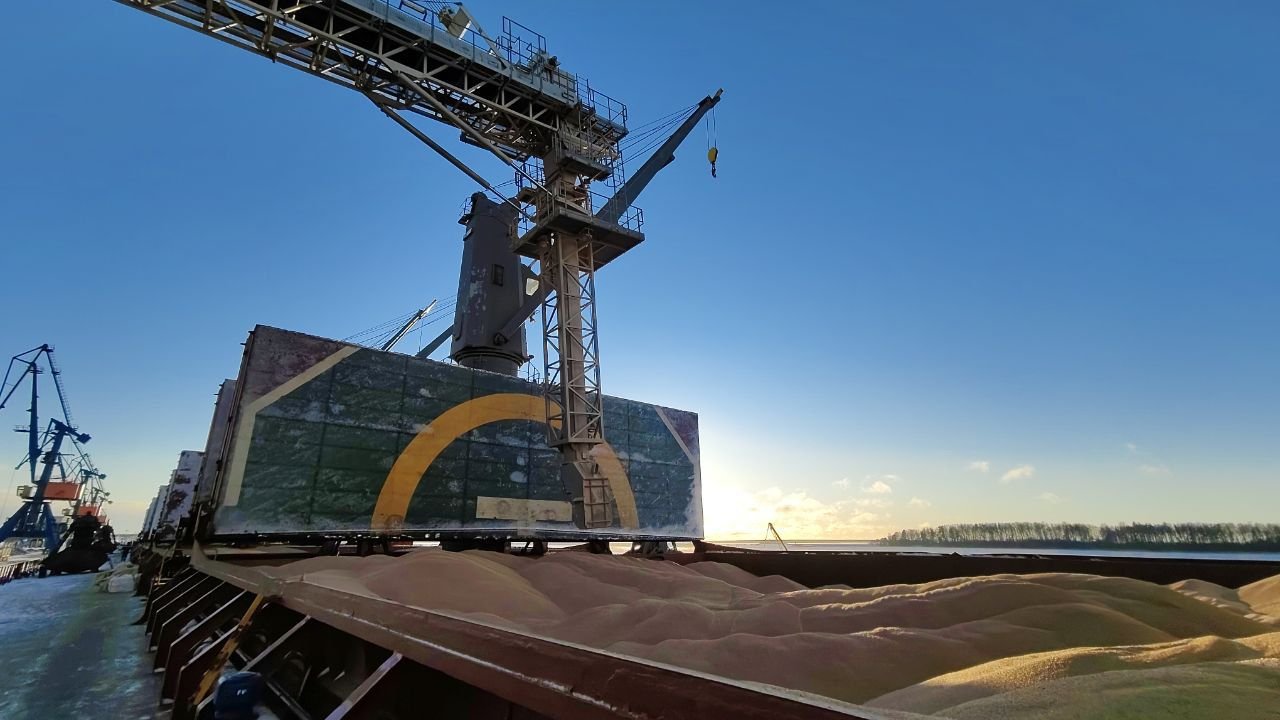
The mission made the announcement as a shipment of 44,000 tonnes of Russian wheat departed from the Port of Vysotsk to Kenya.
Russia’s decision to ship the wheat to Kenya through a newly established export underscores how grain has become a key instrument of geopolitical competition in Africa, particularly as Moscow and Kyiv pursue parallel and competing food diplomacy campaigns on the continent.
The shipment also signals a strengthening of agricultural trade ties between Russia and Kenya as it comes at a time of persistent global food insecurity and shifting power alignments.
Kenya is heavily reliant on imported wheat to meet domestic demand.
Data from Consumer Price Index Basket shows that before the war, Russia and Ukraine combined account for 14 per cent of global wheat production, and supply 29 per cent of all wheat exports.
Kenya’s major wheat supplier is Russia, accounting for 31 per cent of total wheat imports in 2020/2021, while Ukraine’s supply was 4.2%.
After 2023, Russia provided a significant majority around 67 per cent by value, while Ukraine supplied between 5-6 per cent.
Moscow has consistently portrayed itself as a reliable supplier of grain and fertiliser to the Global South, positioning food trade as evidence that sanctions have failed to isolate it.
High-profile Russia–Africa summits and bilateral agreements have reinforced this narrative, with grain supplies framed as solidarity rather than leverage.
Ukraine, meanwhile, has pursued its own form of grain diplomacy, particularly after Russia withdrew from the Black Sea Grain Initiative in 2023.
Kyiv has worked with the United Nations, Turkey and Western partners to establish alternative corridors and maintain exports to food-insecure regions, including Africa.
Under its “Grain from Ukraine” initiative, Kyiv has donated and facilitated shipments to African countries, presenting itself as a victim of aggression that nonetheless remains committed to global food security.
Ukrainian officials have repeatedly accused Russia of weaponising food supplies, arguing that Moscow’s actions have exacerbated hunger by disrupting global markets.
Africa has thus found itself at the intersection of competing narratives, whereby Russia casts itself as a dependable partner bypassing Western constraints, while Ukraine positions itself as a responsible global actor defending multilateral food systems.
On the other hand, Kenya’s engagement with Russian wheat reflects a pragmatic foreign policy, where rather than aligning exclusively with one bloc, it is diversifying partnerships to secure essential commodities — a position President William Ruto has often reiterated.
The President has, however, argued for domestic food production to achieve food security, with him championing the fertiliser subsidy as well as irrigation agriculture.
While China remains Africa’s largest trading partner, Russia’s role in agriculture has expanded rapidly, particularly through grains export to a continent that has a chronic food insecurity problem.
Rate this article
Login to rate this article
Comments
Please login to comment
No comments yet. Be the first to comment!