
Space & Astronomy
7 min read
Unlocking Respiratory Chain Assembly: Groundbreaking Structural Insights
Phys.org
January 19, 2026•3 days ago
AI-Generated SummaryAuto-generated
Researchers have mapped late stages of human respirasome assembly, a key energy-producing machine in cells. Using cryo-electron microscopy, they discovered that complex IV matures while incorporated, suggesting the respirasome acts as an assembly platform. A protein, HIGD2A, temporarily occupies a subunit's position until the final NDUFA4 subunit is ready, ensuring controlled assembly. This insight could shed light on mitochondrial disorders linked to assembly defects.
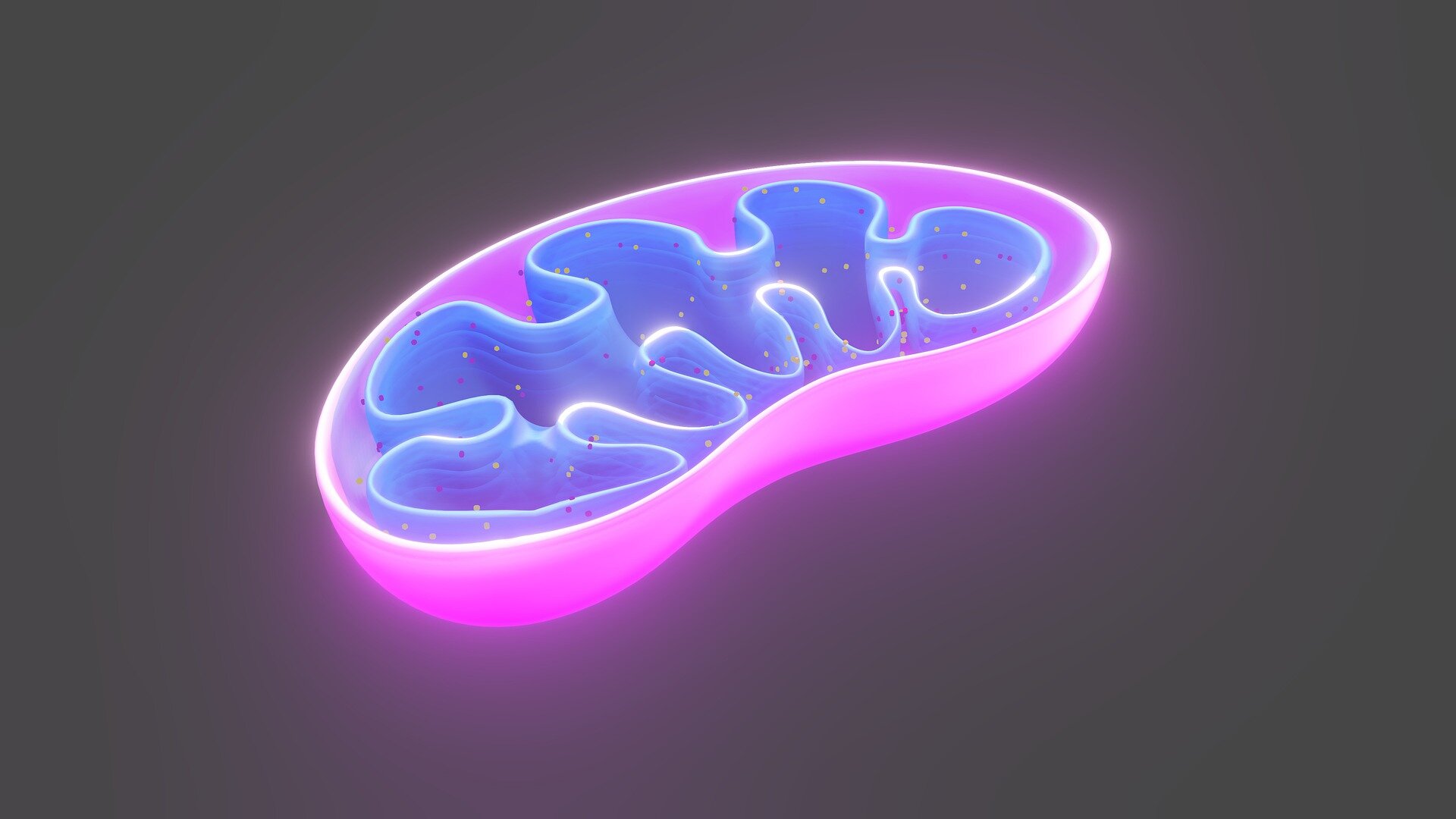
A new study shows how one of the cell's most important energy-producing machines is built. Researchers at Karolinska Institutet have mapped late steps in the formation of the human respirasome, a large protein assembly that drives mitochondrial respiration. Their research is published in the journal Nature Communications.
The respirasome is made up of several protein complexes that work together to transfer electrons and support the production of ATP, the cell's main energy source. Although scientists have known that these complexes can join to create larger structures, it has remained unclear whether they assemble as finished units or form step by step.
Using high-resolution cryo-electron microscopy, the research team at the Department of Medical Biochemistry and Biophysics captured previously unknown intermediates of the respirasome. Their findings suggest that the final stages of assembly occur while one of the key components, complex IV, is still maturing. This indicates that the respirasome may act as a platform that helps guide the correct order of assembly.
The study also identifies a protein called HIGD2A as a temporary "placeholder" within complex IV. This protein occupies a critical position until the final subunit, NDUFA4, is ready to be incorporated. Only then is the respirasome able to reach its functional form.
"This placeholder mechanism acts like a molecular timer. By delaying the addition of the final subunit, the cell ensures that assembly happens in a controlled sequence," says Joanna Rorbach, Principal researcher at the Department of Medical Biochemistry and Biophysics at Karolinska Institutet.
Understanding the structure and timing
Defects in complex IV assembly are known to cause severe mitochondrial disorders, including neurological diseases. By revealing how the final steps of assembly occur, the study provides new clues to how such conditions may develop.
"Mitochondrial diseases often arise from small errors in how these complexes are built. Understanding the structure and timing of assembly helps us get closer to identifying where those errors occur," says Minh Duc Nguyen, lead author of the study and researcher at the Department of Medical Biochemistry and Biophysics at Karolinska Institutet.
Rate this article
Login to rate this article
Comments
Please login to comment
No comments yet. Be the first to comment!