
Politics
13 min read
Poland Plans 6-Month Medicine Reserve Amid EU Supply Fears
Euractiv
January 19, 2026•3 days ago
AI-Generated SummaryAuto-generated
Poland is proposing a six-month national reserve of critical medicines to address supply chain vulnerabilities, particularly reliance on Asian active pharmaceutical ingredients. The plan involves utilizing the existing wholesale network to build these reserves, aiming for cost-effectiveness and rapid implementation. Discussions also touch upon the long-term need for increased domestic production.
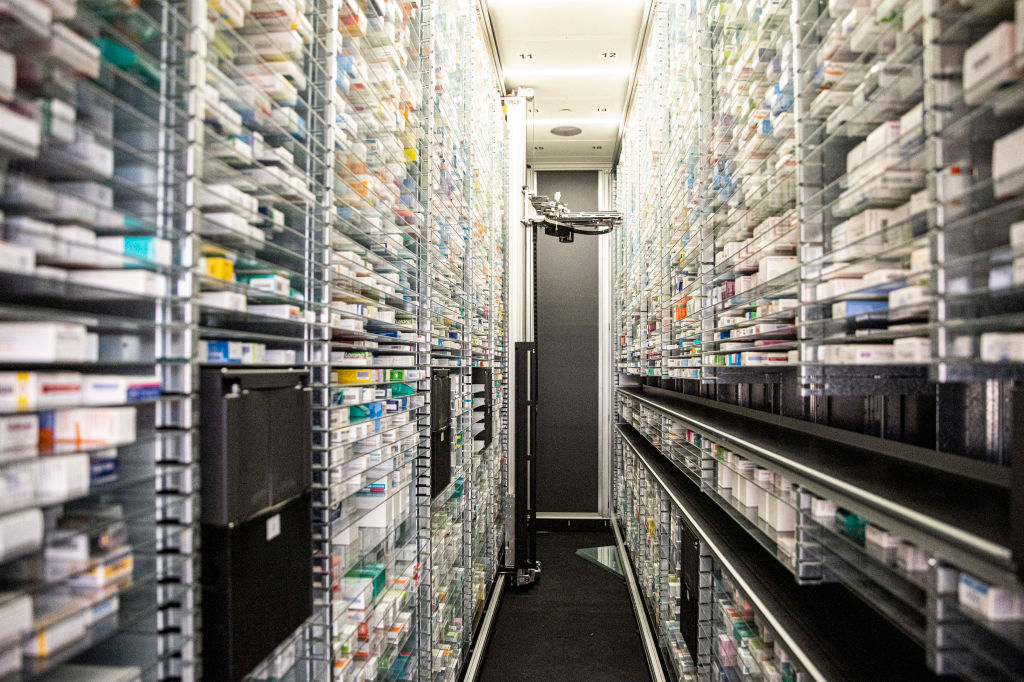
Poland is proposing a national reserve of critical medicines with stocks for half a year, tapping its wholesale network to shield against shortages without building new factories.
The idea emerged at President Karol Nawrocki’s first Health Council last week, highlighting vulnerabilities such as the 80% reliance on Asian APIs.
Stockpiling is a national matter under the EU’s Critical Medicines Act (CMA), though Article 20 requires measures to be coordinated to prevent one country’s reserves from harming supplies elsewhere. EFPIA and Medicines for Europe have long cautioned against fragmented stockpiling, urging EU-wide mechanisms instead to prioritise patient access over hoarding.
For Krzysztof Kopeć, president of Medicines for Poland, local production should be the real focus, as the Polish proposal is at too early a stage to assess against European standards or coordination plans. “It’s hard to stockpile supplies of all critical medicines,” he told Euractiv, aligning with WHO strategies that prioritise reliable supply chains through domestic manufacturing for health security.
Proposal targets critical drugs
Experts warned that Poland’s drug security, the state’s ability to ensure patients have constant access to medicinal products of quality in quantities matching actual needs, is at risk. Therefore, a stable and crisis-resistant supply chain from active pharmaceutical ingredient (API) production through manufacturing to distribution is crucial.
“Even war is not needed. People will die without a single shot. And it won’t be the death of five people, but hundreds every day,” cautioned Kopeć, during the debate.
Discussions referenced both Poland’s national critical medicines list and the EU’s Union list, targeting antibiotics, anaesthetics, cardiovascular drugs and other essentials. Poland’s current production covers just 20% of these fully domestically, leaving the rest exposed to global disruptions.
“Wouldn’t it be better to strike deals with pharmaceutical wholesalers, who are specialised and have the right logistics, to hold this buffer stock? In supply chain breakdowns, such a safety buffer would give us months of resilience,” outlined Łukasz Pietrzak, chief pharmaceutical inspector. He added that it is far cheaper than building dedicated warehouses and allows regular stock rotation, solving disposal costs.
Wholesalers warmly welcomed the idea.
“Our sector can start work on this right away. These would be national medicine reserves based on the existing wholesale system – Polish firms, Polish capital. We can quickly build rotating reserves,” said Andrzej Stachnik, president of the Association of Pharmaceutical Wholesalers (ZPHF).
Who will foot the bill?
Stachnik pointed to funding: “It’s not huge money. The Bank Gospodarstwa Krajowego could provide a dedicated financing channel.”
This would mimic Finland’s wholesale-based model, praised by experts as the “fastest and most cost-effective” approach. Pandemic lessons showed that rapid stockpiling via existing channels works best, they argued.
“We could then raise stock levels by six months, for example. If the Agency for Medical Research launched a programme, we could pilot it in a region, gathering and rotating critical medicines. In a year, we’d prove drug security has grown,” Stachnik said.
A good idea?
Unlike finite reserves, production meets ongoing needs while boosting the economy. “The problem is that importing from Asia is cheaper than making in Europe,” Kopeć noted to Euractiv. He recalled France’s failed push to build critical API production capacity, as no one bought locally due to Asian price advantages.
In his view, ramping up EU critical drug output demands assured sales at profitable prices, meaning buyers must pay more. “Poland could team up with neighbours lacking pharma industries, like Lithuania or Latvia, expanding the market,” he suggested.
This requires accepting higher prices than Asian offers. Buyers would gain delivery guarantees when Asian supply chains snap under wars, hybrid attacks, trade barriers, disasters, or pandemics. “Paying more for Polish-made drugs buys not just medicines but national security and hybrid resilience,” Kopeć argued. “In today’s geopolitics, such supply guarantees are priceless.”
[VA, BM]
Rate this article
Login to rate this article
Comments
Please login to comment
No comments yet. Be the first to comment!