
Geopolitics
12 min read
Organic Farming: The Dawn of a New Agricultural Era
India Today
January 18, 2026•4 days ago
AI-Generated SummaryAuto-generated
Farmers are returning to organic farming, embracing traditional methods due to concerns about health and soil degradation from chemical-driven agriculture. This approach prioritizes soil health through natural fertilizers and crop rotation, manages pests with natural deterrents, and uses resilient local seeds. Organic farming offers stability, reduced costs, and healthier produce, with increasing support for its adoption.
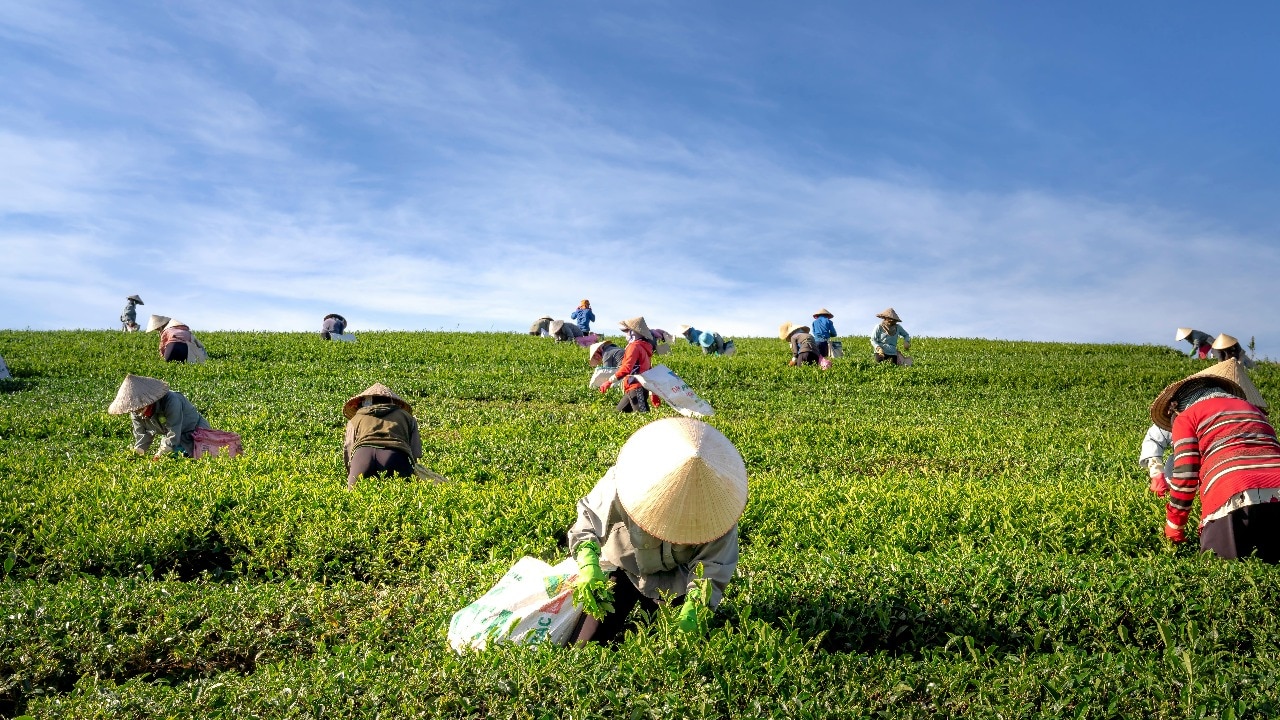
At dawn in a village field, a farmer bends to the soil and runs it through his fingers. It is dark, soft, alive. There is no smell of chemicals, no white residue on the leaves. What grows here is not just food, but a way of farming that is slowly returning to its roots. For centuries, people grew crops this way. But in the wake of the Green Revolution, and in the rush to increase production rapidly, traditional organic methods were pushed aside.
Now, after witnessing the many disadvantages of chemical-driven, high-volume farming and the heavy use of fertilisers and hybrid seeds, farmers are returning to their roots.
Many people from cities are also moving back to villages to take up organic farming, driven by concerns about human health and the declining condition of the soil.
Organic farming is not a new idea. It is, in many ways, the oldest one. Long before fertilisers came in bags and pesticides in bottles, farmers worked with the land, not against it.
Today, as soil weakens, water dries up, and health concerns grow louder, organic farming is making a quiet comeback.
FARMING THAT STARTS WITH THE SOIL
Every organic farm begins below the surface. Healthy soil is the heart of this system. Instead of synthetic fertilisers, farmers feed the land with compost, cow dung manure, crop waste, and green plants that are ploughed back into the soil. Over time, this restores natural fertility and helps the soil hold moisture.
Crop rotation is another key step. By changing what is grown each season, farmers stop pests from settling and prevent the land from being exhausted by a single crop.
LET NATURE FIGHT THE PESTS
In organic farming, pests are not eliminated, they are managed. Neem oil, chilli-garlic sprays, cow urine solutions, and beneficial insects replace chemical pesticides. Birds and insects become allies, not enemies.
Farmers often grow different crops side by side. This confuses pests, protects the main crop, and spreads risk if one plant fails.
SEEDS THAT BELONG TO THE LAND
Organic farmers choose seeds that suit local soil and climate.
These are often traditional varieties saved by farmers over generations. They may not grow fast, but they grow strong.
They survive drought, resist pests, and produce better-tasting food.
Weeds are removed by hand or controlled through mulching, covering the soil with straw or leaves.
This also keeps the ground cool and reduces water loss. Water use is careful and measured. Healthy organic soil absorbs rain like a sponge, reducing the need for frequent irrigation.
Organic farming takes more effort. It asks farmers to observe, learn, and respond. But in return, it gives stability.
WHY MANY ARE TURNING TO ORGANIC FARMING
Organic food fetches higher prices in markets. Consumers want food that is safe, fresh, and chemical-free. More importantly, organic farming reduces costs over time because farmers are not dependent on expensive inputs.
It also protects farmers’ health. Fewer chemicals mean fewer illnesses, fewer debts, and fewer risks.
CHALLENGES AND A RETURN
The transition is not easy. Yields can drop in the first two to three years. Certification takes time. Markets are still uneven.
But support is growing. Government schemes, farmer collectives, and direct-to-consumer markets are making organic farming more viable.
Towards the end of the year, ICAR ( Indian Council of Agricultural Research) turned its focus to the classroom. The national body overseeing agricultural education asked its 74 affiliated universities to begin teaching natural farming at the undergraduate level, signalling a push to bring sustainable practices into formal agricultural training.
Organic farming is not about rejecting modern science. It is about using knowledge wisely, mixing tradition with innovation.
In the quiet fields where earthworms return and birds circle again, organic farming is proving that farming can nourish the land and the people at the same time.
- Ends
Rate this article
Login to rate this article
Comments
Please login to comment
No comments yet. Be the first to comment!