
Technology
9 min read
OPPO Unveils Next-Generation AIOS Vision with Google Cloud Partnership
Nasi Lemak Tech
January 19, 2026•3 days ago
AI-Generated SummaryAuto-generated
OPPO is developing a next-generation AI Operating System (AIOS) with Google Cloud, focusing on "Memory Symbiosis" and "Privacy Protection." This AIOS aims to act as an intelligent companion, understanding and anticipating user needs. Key features include AI Mind Space for organizing information, improved AI Search using natural language, and proactive AI Suggest. OPPO is leveraging Google Cloud's Confidential Computing for secure data handling, balancing cloud power with user trust to create a more seamless, cross-scenario intelligent service experience.
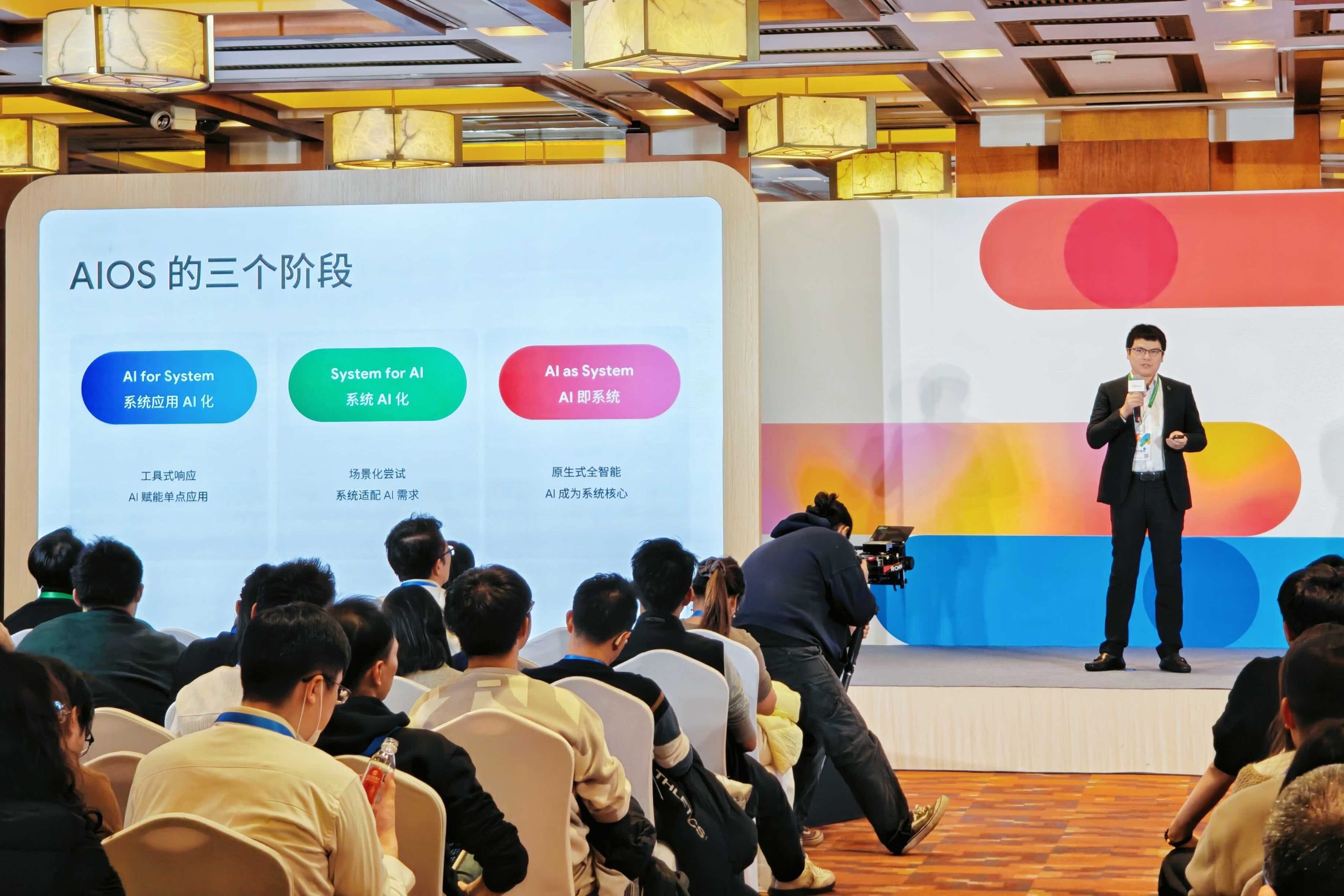
OPPO is continuing its partnership with Google, specifically Google Cloud, to showcase a new idea of next-gen AI Operating System (AIOS) designed to feel like a real intelligent companion.
Speaking at the Google Cloud Export Summit in Beijing, this AIOS implementation is centered around 2 pillars of “Memory Symbiosis” and “Privacy Protection,” while the partnership with Google Cloud underpins much of the technical foundation.
They further explained that the essence of AI is understanding the user, and that together with Google Cloud, OPPO is shaping its AI into something that understands, anticipates, and serves users in a more intuitive and deeply personalized way.
OPPO also pointed out a practical problem with today’s smartphones – despite the growing number of AI features, users still struggle with retaining information, finding what they need, and getting help before they even ask. Its answer is to bake AI into the system itself, starting with AI Mind Space, which has been introduced globally as a kind of “second brain” that organizes information from text, images, and voice interactions, while being built with Google Gemini to deliver more personalized answers based on what’s stored on-device.
On top of that, OPPO and Google Cloud have worked on improving AI Search, so users can search across apps using natural language instead of rigid keywords, and AI Suggest takes things a step further by combining real-time on-device context with stored memory to proactively surface recommendations that make sense in the moment.
Yet all of that revolves around personal and at times confidential data and info, therefore privacy and protection must be strong and wielded together. As such, AI Search uses locally stored data for personalized results, and AI Suggest generates recommendations based on behavior and memory characteristics without compromising user security.
This is done through OPPO’s Private Computing Cloud (PCC) architecture, which it describes as a secure cloud extension of AIOS that leverages Google Cloud’s Confidential Computing to enable data usability without data visibility, effectively trying to balance cloud power with user trust.
As a whole, this is OPPO’s approach to crafting an entire ecosystem that is built around New Computing, New Perception, and New Ecosystem, supported by on-device compute, the PersonaX memory symbiosis engine, and the Agent Matrix framework, while the company is actively promoting Agent-to-Agent interoperability so different apps and services can work together more seamlessly.
Its collaboration with Google Cloud is being held up as a key example of this approach, with both companies aiming to bring developers together, break down app barriers, and ultimately build a more seamless, cross-scenario intelligent service experience.
Subscribe to our YouTube channel too!
Rate this article
Login to rate this article
Comments
Please login to comment
No comments yet. Be the first to comment!