
Technology
13 min read
OpenAI's First Hardware Device Set for 2026 Launch
MobileAppDaily
January 20, 2026•2 days ago
AI-Generated SummaryAuto-generated
OpenAI plans to launch its first consumer hardware device in the second half of 2026. This move signifies a significant expansion into physical products, aiming to redefine everyday AI interaction. The device, developed with input from Jony Ive, is envisioned as a new category of hardware, potentially moving beyond screen-based interfaces and focusing on ambient, conversational AI.
Listen to This Article
Your browser does not support the audio element.
OpenAI’s entry into consumer devices is finally taking shape, with a 2026 debut planned.
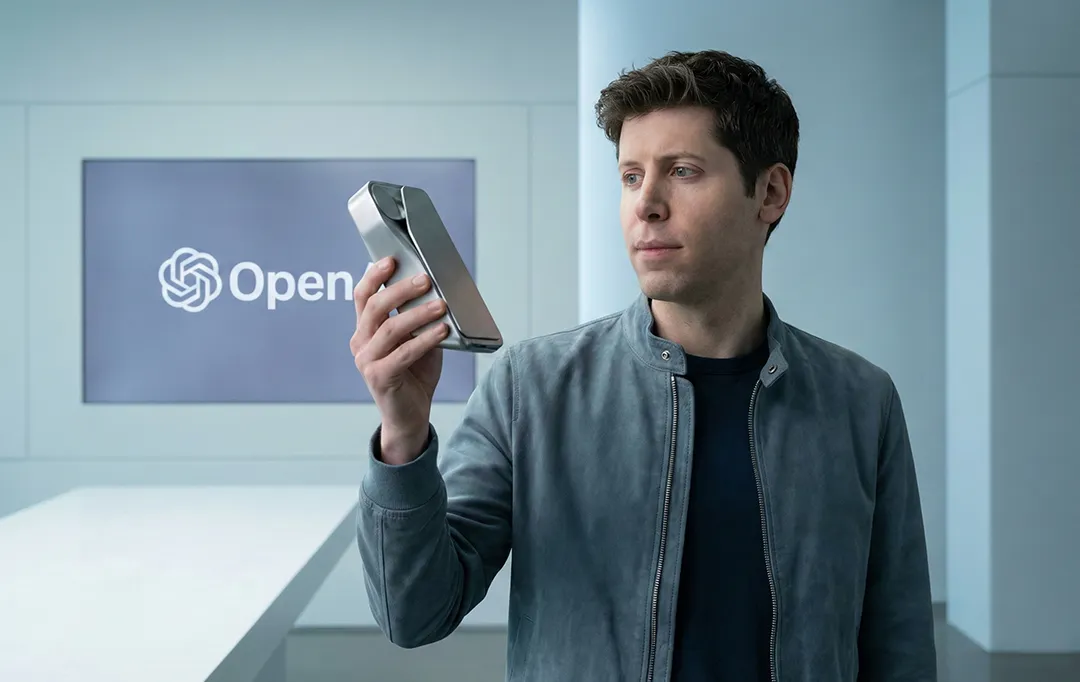
OpenAI is on track to unveil its first-ever consumer hardware device in 2026, marking a pivotal expansion beyond software into physical products. The shift signals a structural change in how the company positions itself.
Company leadership has confirmed that the announcement is expected in the second half of 2026. A precise launch or sales date has not yet been set. Timelines remain provisional and internally flexible.
This move places OpenAI alongside other technology firms experimenting with AI-native devices. The industry continues searching for form factors beyond smartphones and laptops. Hardware teams across the sector are reassessing what user interfaces should look like.
According to company leadership, the gadget aims to redefine everyday interaction with artificial intelligence. The language around that goal remains deliberately broad.
From Software Giant to Hardware Challenger
OpenAI’s hardware ambitions gained clarity after the acquisition of io Products, Inc., in 2025. The company was co-founded by former Apple Chief Design Officer Jony Ive. It provided OpenAI with a dedicated hardware arm. It also indicated that design and user experience would drive product strategy.
Chris Lehane, OpenAI’s Chief Global Affairs Officer, said the company is “on track” to reveal its first device next year. He stated that the device reveal is planned for 2026. The project is now moving from concept to execution.
This shift implies operational commitment rather than exploratory research. Lehane added that future AI advances will rely on new hardware interfaces. Better models alone, in his view, will not be sufficient.
Sam Altman and a Radical New Direction
OpenAI CEO Sam Altman has previously described the device as a radical departure. The comparison point is current mobile technology, which suggests the company is not building a refined smartphone. The intention is to create an entirely new category of hardware, a distinction that matters for investor and market expectations.
The vision is being shaped in partnership with Jony Ive. His design legacy at Apple influences how the project is perceived. Expectations around minimalism and usability have already formed. OpenAI has continued expanding its hardware team, wherein hiring has focused heavily on former Apple designers.
Sources indicate that the design philosophy centers on calmness. The emphasis is on reduced distraction. Screen-heavy interaction models are being reconsidered. The product may differ fundamentally from smartphones or laptops.
What OpenAI’s Device Might Look Like
OpenAI has not confirmed any technical specifications. Early reporting suggests the device may be small. Some sources indicate it could be wearable. Other reports suggest it may not include a screen. Interaction could rely on conversational AI. Voice input may replace touch as the primary interface. Contextual awareness could guide user responses.
The broader vision frames AI as ambient and always available. The device is positioned as an intelligent companion. It is not described as a traditional application platform. This approach challenges current assumptions about personal computing hardware.
2026 Might be a Major Defining Moment for AI Interfaces
With the second half of 2026 set as the unveiling window, OpenAI’s first hardware product looks like more than another tech launch. It is a test of whether AI can move beyond screens, apps, and keyboards. The goal is something more ambient, intuitive, and woven into daily life.
The device’s success will hinge on how well OpenAI turns its conversational AI lead into a physical form factor. It has to feel natural, useful, and indispensable. If this works, the 2026 unveiling could mark a new era in human–AI interaction. If it doesn’t, it will still rank as one of the boldest attempts to redefine what an AI-first device can be.
Either way, OpenAI’s first device will signal how seriously the company is betting on a post-smartphone future for AI.
Rate this article
Login to rate this article
Comments
Please login to comment
No comments yet. Be the first to comment!