
Entertainment
13 min read
The Art of the Nickname: Is it Ever a Good Idea?
The Guardian
January 20, 2026•2 days ago
AI-Generated SummaryAuto-generated
A five-year-old successfully convinced her parents to legally change her name to her preferred nickname, Maisie, instead of Margaret. The article explores the complexities of nicknames, noting they can foster inclusion but also cause issues if used inappropriately, particularly in professional settings where they can undermine power dynamics and lead to legal repercussions.
Determined things come in small packages. A five-year-old from Michigan who steadfastly rejected her name all her life has finally won her battle, convincing her parents to legally change it as a birthday present. In a now viral social media post, Amanda Biddle announced that she and husband, Dan, were giving in, and letting their daughter officially become what they have always called her instead – her nickname.
“She’s hated her name since she could talk,” Amanda said. “If we ever called her ‘Margaret’ she would instantly say, ‘I’m not Margaret. I’m Maisie.’ She has always rejected the name Margaret despite my attempts at warming her up to it by turning it into a song that I always sang, and saying it at times when I would want her attention or if she’s being a stinker.”
Clearly this is a victory for stinkers everywhere, but it also reiterates the power of the nickname.
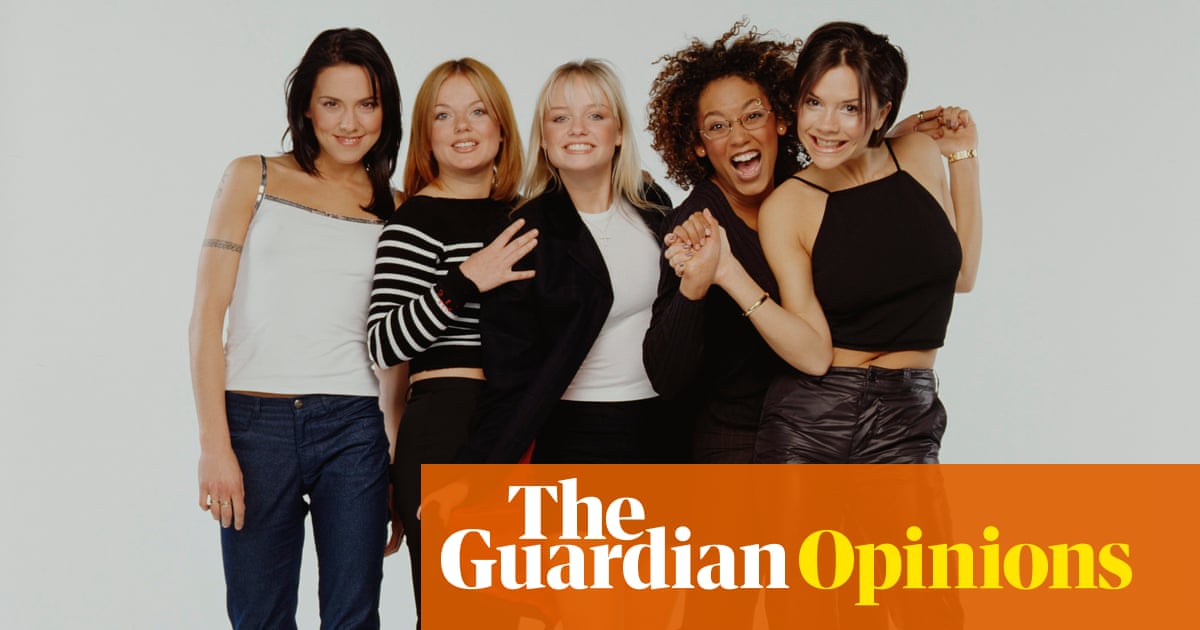
They are a separate category from the pet name, which is shared only between couples, and sometimes unrecoverable from if it becomes public knowledge. (I’ve never felt quite the same about a friend after accidentally seeing a note on her fridge addressed to Little Minxy Moo.) A nickname, conversely, is often widely adopted, and when it works well, can sometimes make you briefly forget what the recipient is really called. Would the Spice Girls have conquered the world without the iconic gift of Ginger, Scary, Sporty, Posh and Baby?
The politics of nicknames out in the wild is complicated though, and much to do with timing. Being given one can be heartwarming, a way of immediately feeling included and liked, as long as it’s bestowed by the right person, at exactly the right moment. There is a dangerously fine line. When somebody calls you by a nickname, whether brand new or pre-existing, it can cement a relationship – or end it if they pull the trigger too soon and come off as overfamiliar or scary-keen. Nicknames suggest a level of intimacy that cannot be rushed, or assumed.
The inspiration for nicknames can be wide-ranging. There are the name-based, like the late Queen Elizabeth being called Lilibet, and Gwyneth Paltrow, who has “so many nicknames … Gunny, Gwinny, Goo-Goo, GP”. They can be influenced by personality – David Bowie called Kate Moss Smasher. Or they can be circumstantial, for example, when Catherine, the Princess of Wales was at school there were guinea pigs called Pip and Squeak; she had a sister called Pippa, so became known as Squeak. And then there are those which are simply good gags. A bloke who always one-upped stories was known as Elevenerife (because if you went to Tenerife …). And an electrician who looked like Elton John: Socket Man.
Nicknames need to be handled with care and used with restraint. The exhilaration of coming up with a clever one should never cancel out judgment about whether you’re in an appropriate setting, and close enough to the individual in question, to use it.
Research by Ivey Business School professor Zhe Zhang found that when managers give nicknames to employees lower down the pecking order, the employees feel less powerful, less respected, and less psychologically safe, perceiving it as a way for their boss to assert control without consent.
Last year, a London lawyer was fined £15,000 by the Solicitors Regulation Authority and told to pay £16,000 in costs after admitting he’d nicknamed colleagues Mad Paul, Pol Pot and Jabba the Hut. Even less obviously offensive epithets can cause trouble. In 2016, jewellery salesman Alan Dove, 61 – called “Gramps” by a colleague, in what the younger employee saw as “an affectionate term of address” – was awarded £63,391 under The Equality Act 2010. Whether it’s harmless banter or workplace bullying all depends which side of the nickname you’re on.
As a general rule, it seems safer to save nicknames for friends and family, err on the side of caution, and if in doubt, stay quiet. Although if you’re the person who came up with Socket Man and had to keep it to yourself, you would surely be able to sue for emotional distress.
Polly Hudson is a freelance writer
Do you have an opinion on the issues raised in this article? If you would like to submit a response of up to 300 words by email to be considered for publication in our letters section, please click here.
Rate this article
Login to rate this article
Comments
Please login to comment
No comments yet. Be the first to comment!