
Breaking News
14 min read
Nganya Culture Sparks Court Battle Against NTSA Regulations
the-star.co.ke
January 21, 2026•1 day ago
AI-Generated SummaryAuto-generated
A legal battle is underway in Kenya's High Court over regulations targeting decorated public service vehicles, known as "nganyas." Proponents argue the National Transport and Safety Authority's (NTSA) notice, requiring removal of artistic designs and tinted windows, is unconstitutional and discriminatory. They claim it threatens a vibrant urban culture and livelihoods. The NTSA maintains the regulations are lawful and aim to ensure road safety. A judgment is expected on February 19.
A heated legal battle between the State and proponents of Kenya’s vibrant nganya culture is currently going on at the High Court.
The petition, filed in June last year by Michael Makubo, questions the legality and constitutionality of a notice issued by the State Law Office and the National Police Service Commission and subsequently enforced by the National Transport and Safety Authority (NTSA).
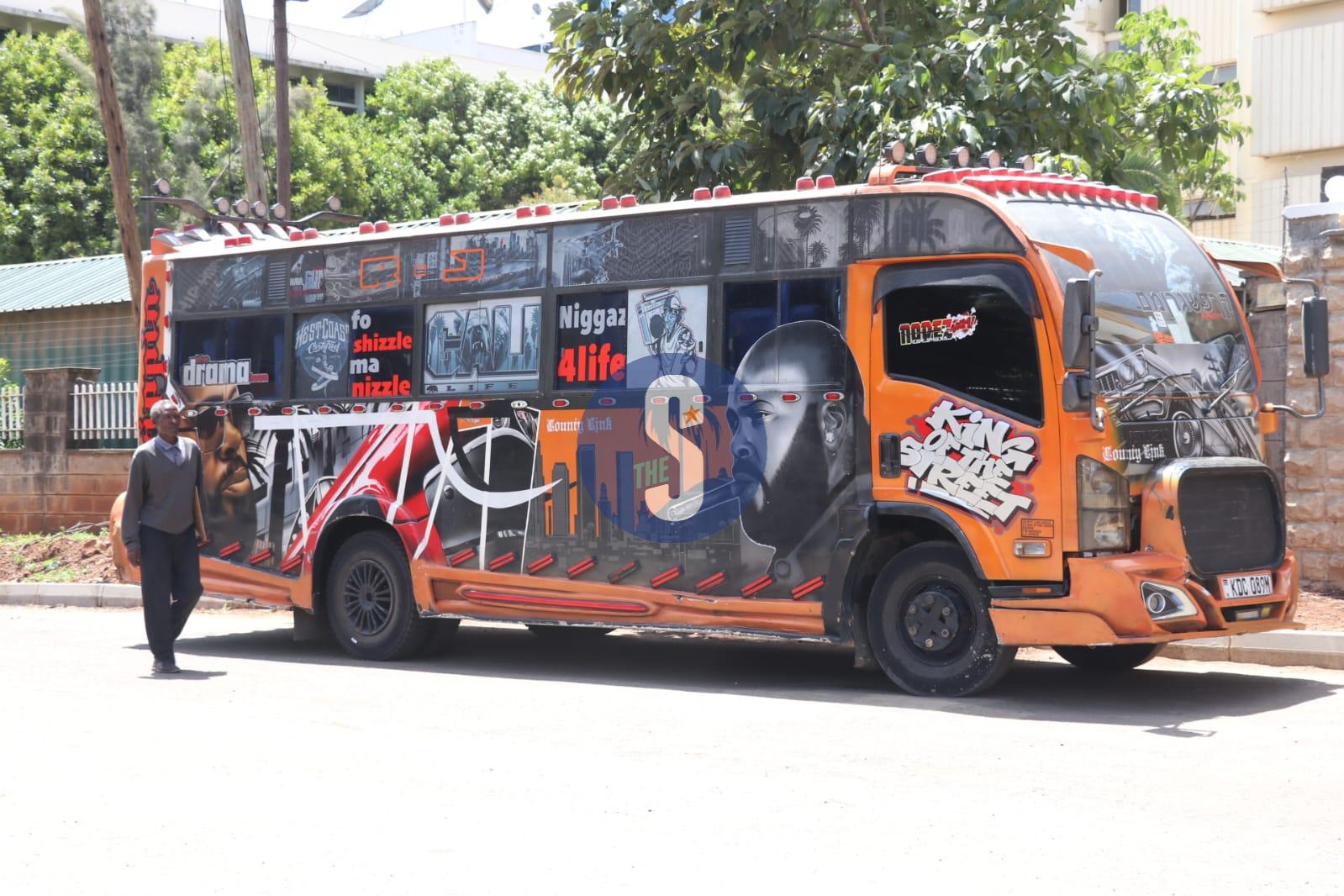
The petitioner is asking the court to invalidate regulations and an enforcement notice issued in May last year by NTSA that target decorated public service vehicles (PSVs).
The notice required all PSVs with graffiti, artistic designs or tinted windows to remove them immediately or face sanctions.
The petitioners argue the notice is unconstitutional, discriminatory and issued without public participation.
They contend that the notice threatens the nganya culture — a modern urban expression characterised by artistic graffiti, customised lighting and enhanced sound systems in matatus.
When the matter came up for hearing on Wednesday, January 21 before Justice Bahati Mwamuye, Makubo through his lawyer Outa Mwalela told the court that culture, as recognised in the constitution, comprises shared beliefs, values, social norms and artistic expressions that evolve over time and provide identity, creativity and livelihoods.
He said nganya culture falls squarely within this definition and supports thousands of jobs in the creative and transport sectors.
"There was no substantive and meaningful public participation. From responses provided, you will note no notice was given to general public to submit memoranda and submissions," Mwalela submitted.
Instead, the petitioner said the State relied on a public notice issued nearly a decade ago, which, he said could not justify the current enforcement measures.
Mwalela also argued that the regulations were never laid before the National Assembly within the timelines required under the Statutory Instruments Act.
"The National assembly and NTSA have a duty to consult persons likely to be affected before formulating the policy. No notice or minutes were provided," he said.
The petition further challenges the competence of NTSA’s response, including an amended replying affidavit filed by the authority, which Outa said was procedurally defective.
On substance, the petitioners dismissed NTSA’s claims that decorated matatus pose a road safety risk, terming them 'hearsay'.
They argued that the authority failed to disclose the parameters of any audit conducted, making it impossible to verify the authenticity of its conclusions.
Outa also criticised the use of the “repugnancy test,” describing it as a colonial concept with no place in a modern constitutional order.
The petitioners relied on what they termed legitimate expectation, citing a past moratorium issued by former President Uhuru Kenyatta and public recognition of nganya culture by President William Ruto, including state awards.
They argued that the sudden enforcement notice, which threatened drastic measures such as licence revocation without a transition period, violated Article 47 on fair administrative action.
In response, state counsel Mary Kihamba urged the court to dismiss the petition, arguing that the NTSA Act lawfully empowers the Cabinet Secretary, in consultation with the NTSA board, to make PSV regulations.
She said the regulations were first published in 2014 and later amended, with Parliament considering them in line with the Statutory Instruments Act and other relevant laws.
Kihamba maintained that the regulations do not impose a blanket ban on graffiti or sound systems but merely regulate how decorations are applied.
"The regulations were considered by committee of the National Assembly and in consideration they were guided by Statutory Instruments Act, NTSA act, Interpretations and General Provisions act," she said.
"They served a legitimate purpose in supporting NTSA’s mandate to regulate PSVs and provide advise on policies within the public service industry. The law is what it is."
She warned that declaring the regulations void risked creating a regulatory vacuum in the public transport sector and insisted that the petitioners had failed to demonstrate any specific constitutional violations.
Justice Mwamuye is scheduled to deliver judgment on the matter on February 19.
Rate this article
Login to rate this article
Comments
Please login to comment
No comments yet. Be the first to comment!