
Geopolitics
14 min read
2026: The Year Natural Capital's True Value Will Emerge
Agri Investor
January 20, 2026•3 days ago
AI-Generated SummaryAuto-generated
Starting in 2026, natural capital's true economic value will become evident. The EU's Carbon Border Adjustment Mechanism prices embedded carbon, making high-carbon materials less competitive and benefiting sustainable alternatives like timber. Simultaneously, updated voluntary carbon market standards are expected to boost demand for nature-based credits, encouraging proactive investment in natural asset restoration and enhancement for financial and environmental returns.
For decades, the world’s natural capital, including its forests, wetlands, soils and biodiversity, have been systematically undervalued.
While these assets underpin our economies, societies and climate, their true worth has rarely been reflected in market prices or investment decisions.
As we embark on 2026, however, a confluence of policy, market and investor shifts are set to change that. This year will mark a turning point where natural capital’s value will no longer be hidden in the footnotes but recognized as central to sustainable growth and resilient returns.
Why 2026 is a pivotal year
Markets have long failed to account for the environmental costs embedded in carbon-intensive materials.
Steel is a clear example: its price has never reflected the true cost of the carbon emitted during production. This omission has effectively acted as a hidden subsidy, making high-carbon materials artificially cheap, relative to carbon-negative alternatives such as sustainable timber.
That imbalance is about to change. On January 1, 2026, the European Union’s Carbon Border Adjustment Mechanism (CBAM) came into force.
CBAM will require importers of carbon-intensive goods like steel, cement, aluminum and fertilizers to pay a levy reflecting the embedded emissions of those products. In effect, direct carbon costs will finally be priced in.
Importers will be required to purchase certificates equivalent to the carbon price under the EU Emissions Trading System. Depending on prevailing prices, this could add €75-€100 per tonne of CO2, pushing up the cost of some imported materials by 10-20 percent.
For many applications, this will materially narrow, or even reverse, the cost advantage of high-carbon inputs.
This policy shift is also not confined to the EU. Other major economies, including Canada, Japan and Australia, are actively exploring carbon border adjustment mechanisms or equivalent measures, while the UK government plans to introduce its own CBAM in 2027.
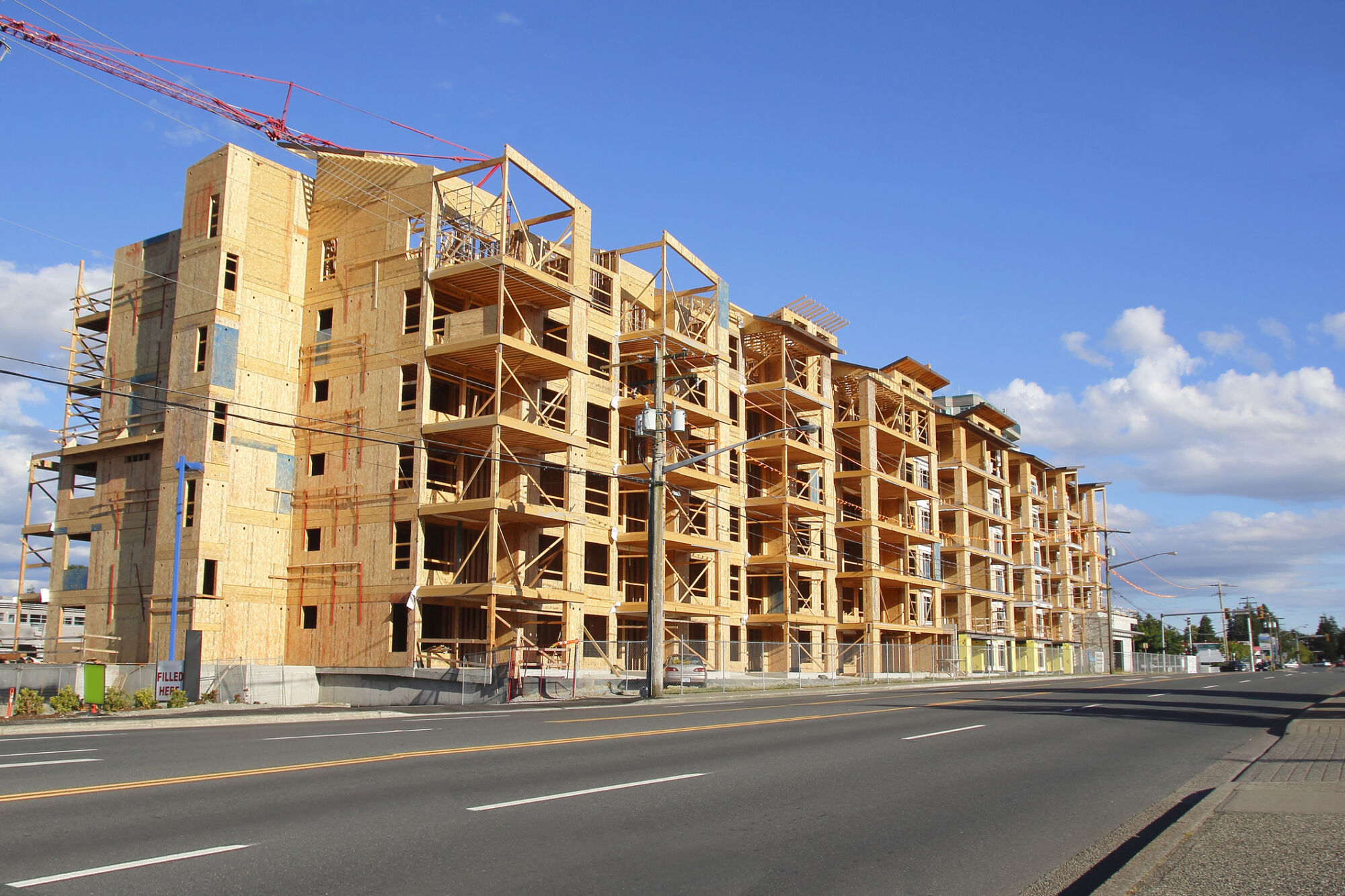
Nature-based and carbon-negative alternatives stand to benefit. Sustainable timber, which stores carbon rather than emitting it, will become increasingly competitive, reshaping procurement decisions across construction and industrial supply chains.
This repricing will drive demand for natural capital solutions far beyond niche sustainability use cases.
A step change for the VCM
This year also has the potential to bring significant change for voluntary carbon markets. While currently in draft form, Science Based Targets Initiative (SBTi) 2.0 is likely to formalize how companies can use carbon credits to meet net-zero commitments.
Under the current iteration of the draft, companies will be required to neutralize residual emissions at their net‑zero target year, using high‑integrity carbon removals, once all feasible reductions have been made.
If adopted, this could significantly increase demand for high-quality nature-based credits. With companies continuing to refine their net-zero targets for 2050, voluntary carbon markets are strongly positioned to accelerate, unlocking new revenue streams for well-structured natural capital projects and investors.
Investor appetite is already evident, yet exposure remains modest, reflecting a persistent gap between intent and execution.
One reason for this is that traditional passive approaches to natural capital no longer cut the mustard. Simply holding existing forestry or agricultural assets and relying on legacy income streams is unlikely to capture the full opportunity – or deliver meaningful environmental outcomes – at a time of rapid market and policy change.
To unlock true value, investors must pivot towards proactive natural capital development strategies.
It is the active restoration, enhancement and optimization of natural assets that drives both financial returns and measurable impact – through high-quality carbon and biodiversity credits, ecosystem service payments and sustainable materials.
This will be the year natural capital’s true value is recognized by markets. For investors, the message is clear: move beyond passive exposure and embrace proactive strategies that restore and enhance nature at scale.
Those who do will be best positioned to capture resilient returns and help shape the next era of sustainable investment.
Richard Kelly is managing director and co-lead of Foresight Natural Capital.
Rate this article
Login to rate this article
Comments
Please login to comment
No comments yet. Be the first to comment!