
Breaking News
14 min read
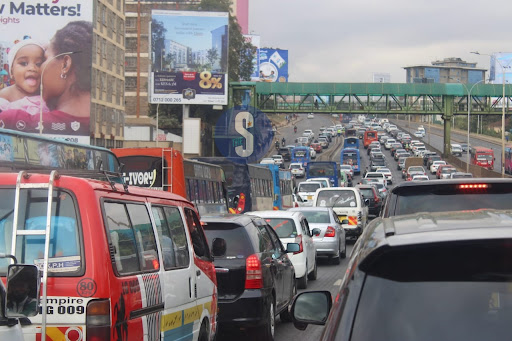
Nairobi's 'Parking Lot': Understanding the 2026 Traffic Chokehold
the-star.co.ke
January 21, 2026•1 day ago
AI-Generated SummaryAuto-generated
Nairobi's 2026 traffic has worsened due to increased private car ownership, school drop-offs, and simultaneous road construction. The Nairobi Expressway has created bottlenecks on lower roads. Lane indiscipline, including overlapping and signal ignorance by various motorists, exacerbates gridlock. Simultaneous major road projects and a lack of infrastructure designed for the current population contribute to extensive delays and lost productivity.
In Nairobi, we used to say traffic starts at 6:30 AM. In 2026, if you aren't on the road by 5:15 AM, you are already late for a 9:00 AM meeting. Every Nairobian is singing the same "mad traffic" song, but this year, the volume has been turned all the way up.
January is always tough, but this year’s school reopening coincided with a massive surge in private car ownership. Research shows that road speeds in Nairobi drop by up to 25% during school terms.
Thousands of parents are now opting to drop their kids off personally rather than using school buses. This adds thousands of "unnecessary" private cars to the road between 6:30 AM and 8:30 AM, creating a localized gridlock that spills onto the main highways.
Nairobi Governor Johnson Sakaja recently announced major road rehabilitations across the city to fix the "pothole pandemic" left by the December rains. While we want better roads, the simultaneous construction on feeder roads and major arteries has created bottlenecks everywhere.
Imagine being stuck in traffic caused by a machine that is supposed to fix the traffic. In the 254, we call this "blanda ya planning" (a planning mistake).
The Nairobi Expressway was meant to be our savior, but in 2026, it has created a new problem. While the "upper deck" is smooth for those who can pay the toll, the lower road has become a chaotic mess.
With the removal of many pedestrian crossings and non-motorized lanes to make room for the Expressway pillars, pedestrians and matatus are fighting for every inch of space on the ground level.
This has turned Westlands and the CBD entry points into a survival of the boldest zone where overlapping is the only way to move.
Let’s be real: our discipline has gone south. Since the year started, overlapping has become a national sport. From big SUVs to bodabodas, everyone is trying to create their own lane.
KeNHA recently cited lane indiscipline as a primary reason for the five-hour delays seen on the Nairobi-Nakuru highway.
One person overlaps, blocks the oncoming traffic, and suddenly, a 10-minute delay becomes a 2-hour standstill. It’s a cycle of unyonyoi (extra-ness) that ends with everyone losing.
In 2026, we’ve moved past simple bad driving; we now have specific species of motorists that every Nairobian can identify on sight.
The Overlapping King is the person who treats the pavement, the shoulder and the grass as their personal VIP lane. They believe their time is worth more than everyone else’s. They swerve off the tarmac at the slightest hint of a red light, creating a "dust storm" for pedestrians, only to try and "finya” themselves back into the lane 20 meters ahead.
The Signal Ignorer driver believes that using a turn signal is "giving away your secrets to the enemy." They will drift across three lanes on Thika Road without a single blinker, leaving you to slam on your brakes while they look at you like you are the crazy one.
The Lane Bully is usually driving a massive blacked-out V8 or a Prado and uses size as their primary traffic rule. They don't wait for a gap; they make a gap. They slowly nose their heavy bumper into your lane, knowing that if you don't stop, your small Vitz will end up looking like a crushed soda can.
Matatu drivers and their "dondas" (conductors) believe that two solid objects can occupy the same space at the same time.They will find a gap the size of a smartphone and fit a 33-seater bus into it. They use "creative navigation," including driving on the wrong side of the road for a "short stretch."
The Kenya National Highways Authority has several major projects running simultaneously, which play a big role in traffic buildup.
Just this past week, sections of Uhuru Highway and the Haile Selassie roundabout were closed for maintenance. When you block a main artery in the CBD, the traffic backs up all the way to Upper Hill and Westlands.
The Rironi-Mau Summit Works has stalled and restarted several times, creating a permanent jam at the gateway to the city.
Construction of missing link roads in areas like Westlands and Starehe is meant to help in the long run, but right now, the diversions are just feeding more cars into smaller streets.
Nairobi traffic isn't just about wasted time; it's about wasted life. We are losing billions in productivity and the mental toll, the road rage is peaking.
We are singing the same song, but the government needs to change the lyrics. The biggest cause of Nairobi traffic is that we are trying to fit a 2026 population into a 1970s road design. Until the missing links are finished and the BRT buses are actually on the road, we are all just volunteers in a giant parking lot.
Rate this article
Login to rate this article
Comments
Please login to comment
No comments yet. Be the first to comment!