
Health & Fitness
43 min read
Global Menopause Heart Health Study Launched to Detect Artery Changes
FemTech World
January 21, 2026•1 day ago
AI-Generated SummaryAuto-generated
A global study, SHE-HEALS, has received $10 million to investigate how menopause impacts heart health. This large-scale trial aims to detect silent artery changes during perimenopause and assess the role of hormone replacement therapy in preventing heart disease. The research seeks to inform global guidelines for earlier and more effective prevention to protect women's cardiovascular health.
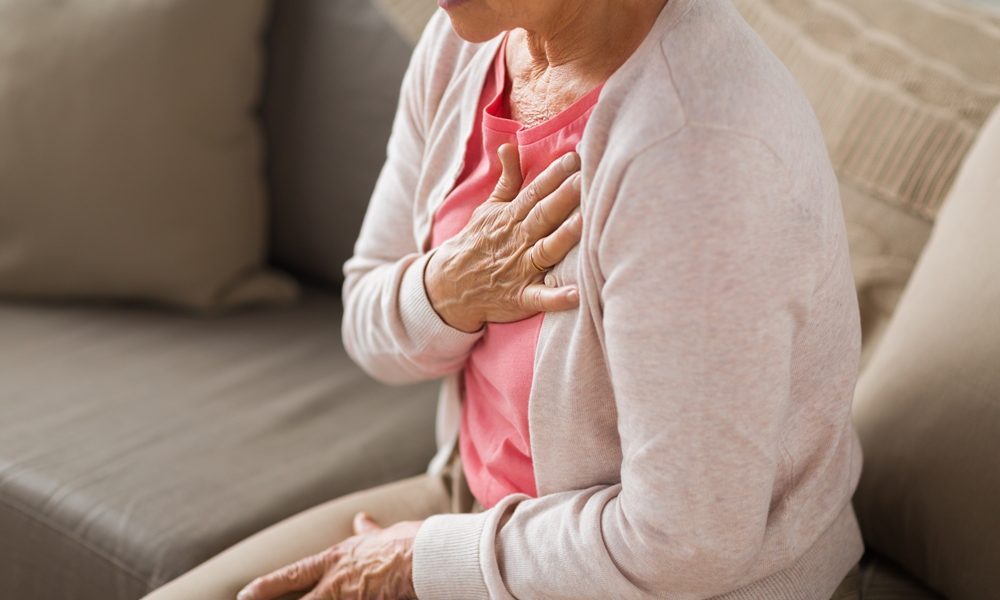
A global menopause heart health study has won US$10m to launch the largest trial to detect silent artery changes and test earlier prevention.
The SHE-HEALS study, led by BHF Professor Ziad Mallat at the University of Cambridge and Professor Martha Hickey at the University of Melbourne, will track arterial changes starting in perimenopause that drive rising heart disease risk.
The team will also assess how age at menopause affects risk, and whether taking HRT influences that risk.
Dr Charmaine Griffiths, chief executive of the British Heart Foundation, said: “Today the devastating reality is that too many women still die from heart disease because they have been under-diagnosed and under-treated.
“We’ve known for a long time that menopause affects women’s heart health but the details we need to detect problems sooner and treat women more effectively have remained a mystery.”
Researchers say current guidelines miss a vital window for earlier prevention.
They will run what they describe as the largest trial of its kind to detect silent atherosclerosis (hidden hardening of the arteries) in women in perimenopause and shortly afterwards.
By spotting early disease before symptoms appear, the study will test whether earlier prevention, including tackling high blood pressure and cholesterol, can stop or even reverse atherosclerosis progression.
The SHE-HEALS team hope the evidence will shape global guidelines and enable earlier, more effective prevention to protect women’s hearts for longer.
Griffiths said: “The SHE-HEALS project promises to provide the missing insights we urgently need, as well as revealing vital new therapies that could halt or even reverse cardiovascular disease in women.
“Ultimately, we want to ensure all grandmas, mums, and sisters have healthier hearts for longer and get more time with their loved ones.
“And I’m delighted that the BHF is playing its part in a brilliant global network determined to do just that.”
Women with high blood pressure in pregnancy may protect their brain health through better blood pressure management after giving birth, research has found.
Women who monitored and managed their blood pressure at home, with remote doctor support, had larger white matter volumes nine months after birth than those receiving standard postnatal care.
White matter links different brain regions; lower volumes have been associated with cognitive decline and conditions such as dementia.
The research, part of the NIHR Oxford Biomedical Research Centre-supported POP HT (Physician Optimized Postpartum Hypertension Treatment) trial led by Oxford researchers, suggests that improving blood pressure control soon after birth could make a difference.
Dr Winok Lapidaire is first author and principal investigator in cardiovascular medicine in the University of Oxford’s Radcliffe Department of Medicine.
The researcher said: “The study found that short-term postpartum optimisation of blood pressure after a hypertensive pregnancy was associated with larger brain volumes in the first year after the birth.
“Although the study did not assess long term outcomes, brain volume is a recognised marker of brain health and resilience to future decline.
“Our findings suggest that those early months after childbirth are an important window for supporting postpartum brain health and reducing the risk of future health problems in women who experienced hypertensive pregnancy.”
High blood pressure conditions in pregnancy, such as gestational hypertension (high blood pressure that develops during pregnancy) and pre-eclampsia (high blood pressure with protein in the urine), are linked to higher long-term risks of stroke, dementia and other neurological problems.
Earlier studies show women with these histories often have smaller brain volumes long after pregnancy.
Participants had either gestational hypertension or pre-eclampsia and required medication on discharge from hospital. Half self-monitored at home with remote clinical support; the rest received usual postnatal care.
Key finding: the self-management group had significantly larger white matter volumes at nine months than those given usual care.
Among women receiving standard care, those with previous pre-eclampsia showed smaller volumes in several structures than those with gestational hypertension.
These differences were not seen in the doctor-directed self-management group, suggesting improved control may offset effects associated with pre-eclampsia.
Earlier research by the POP HT team found that self-monitoring blood pressure after giving birth could help cut new mothers’ future risk of heart disease and strokes.
Patients who undergo unplanned caesarean deliveries face higher odds of acute psychological stress after birth, a recent study has revealed.
The study followed more than 1,100 women who gave birth and found that over one in four patients who had an unscheduled caesarean experienced clinically significant acute stress shortly after birth, compared with about one in 16 patients who delivered vaginally.
Even after accounting for medical complications, prior trauma and mental health history, individuals who had unscheduled caesareans remained more than twice as likely to experience severe stress.
Sharon Dekel is lead investigator and member of the Postpartum Traumatic Stress Disorders Research Program in the Mass General Brigham Department of Psychiatry.
The researcher said: “Unscheduled caesarean delivery can be lifesaving, but for some patients it is also a deeply distressing experience.
“Our findings show that the emotional impact of these births is common, measurable, and clinically meaningful.
“While most patients are resilient and won’t have a stress response, we want to make sure that people who are struggling get the resources they need.”
Researchers at Mass General Brigham found that stress levels were highest when caesarean delivery occurred during labour or when there were greater obstetric complications (pregnancy and childbirth-related health issues).
These early stress reactions were not fleeting.
Women who reported high levels of acute stress shortly after childbirth were significantly more likely to develop post-traumatic stress symptoms, depression and difficulties bonding with their infants two months later.
Dekel and her colleagues are working on implementing a questionnaire that could help screen postpartum patients at Mass General Brigham and beyond.
The findings also support calls for trauma-informed obstetric and postpartum care, particularly for patients who have undergone unexpected interventions during childbirth.
Dekel noted that some patients may have an acute stress response but their symptoms may improve with time, which may mean it is important to screen both immediately after birth and later.
She said: “This study highlights the potential value of brief, low-burden screening for acute stress during postpartum hospitalisation, especially after unplanned or medically complicated deliveries.
“Sometimes, childbirth can become an event that is emotionally loaded or a traumatic experience. But we have great ways of helping people cope, which is why we want to identify patients early and help them get connected.”
Each January, millions engage in intense workout routines and rigid fitness challenges in a bid to enhance personal fitness for the year ahead.
But women-led period and cycle tracker Clue warns that much mainstream fitness advice is based on a flawed assumption: that bodies perform the same way every day.
For people with menstrual cycles, hormonal fluctuations can shape energy, mood, sleep, motivation, perceived effort and recovery, meaning following a generic, one-size-fits-all training plan could in fact be the cause of increased burnout, injury risk and drop-off.
This January, Clue in partnership with ŌURA, the wearable health platform, are calling for a smarter approach to 2026 fitness plans: cycle-aware, data-led routines, that are built around strength, flexibility and recovery.
The January Fitness Boom
Insights from ŌURA prove January fitness culture is real compared to other winter months.
In the UK, ŌURA saw a 28.2 per cent increase in the percentage of days with a logged workout in January 2025 vs December 2025 (excluding housework, walking and “other”).
In the US, the increase was 19.5 per cent over the same period.
Dr Charis Chambers, chief medical officer at Clue, said: “Beginning the new year with a commitment to regular exercise is a common way to prioritise health, but abruptly starting intense fitness training can actually increase risks of health issues.
“This is why the ‘push through it’ fitness culture we often see in January can be particularly harmful for women and people with menstrual cycles.
“Rather than pushing through fatigue, pain or disrupted sleep, people will see greater long term benefit from adapting workouts to how their bodies feel across the cycle and using data to understand what’s normal for them.”
Data-driven Exercise
With wearable fitness tracking now mainstream, more women and people with cycles are building fitness habits using biometric feedback such as sleep, temperature trends and recovery.
This provides a broader picture of their health, allowing them to spot changes, monitor health goals, and adapt routines in ways that feel aligned with their bodies.
Dr Chris Curry, MD, PhD, clinical director of women’s wealth at ŌURA, said: “By combining ŌURA’s readiness, sleep, and activity data with Clue’s detailed cycle tracking, women have a more complete picture of how hormonal fluctuations impact overall health and well-being.
“This integration enables members to observe how their menstrual cycle phases may align with changes in sleep patterns, energy levels, stress resilience, and recovery capacity, informing more flexible, cycle-aware fitness routines that can be adapted to the body’s natural rhythm.”
Everyday high intensity exercise doesn’t work long term
January fitness culture often equates “more” and “harder”, leading many people to gravitate towards daily HIIT-style workouts that promise quick change.
But experts warn that this approach isn’t always sustainable, particularly for people with menstrual cycles.
Eve Lepage, senior reproductive health specialist at Clue, said: “High-intensity workouts create short-term increases in cortisol, which is normal.
“But repeatedly stacking intense sessions without adequate recovery can lead to fatigue, disrupted sleep and burnout.
What the evidence supports instead is balance, anchoring routines in strength training at least twice per week, using higher intensity in moderation, and allowing flexibility based on how you feel.”
By contrast, excessive cardio or high-intensity training without sufficient recovery can negatively impact the body’s cortisol patterns.
Clue user data shows that walking (32 per cent), rest days (24 per cent), and strength training (16 per cent) are the most commonly tracked activities, highlighting that consistent, everyday movement, rather than extreme routines, forms the foundation of how most people actually exercise.
According to Clue, this is an important reminder during January’s fitness push: movement doesn’t need to be extreme to be effective.
Cycle-awareness doesn’t mean rigid ‘cycle syncing’
While cycle-synced workouts have gained recent attention, Clue experts emphasise that there is a lack of scientific evidence to support this effectiveness as a one-size fits all approach.
Instead, a more effective approach is cycle aware and symptom-guided, using menstrual cycle tracking to understand individual patterns over time and adjusting training intensity based on how the body feels day-to-day.
“Cycle awareness isn’t about following strict rules, it’s about self-knowledge,” said Eve Lepage.
“Some people notice changes in energy, mood or perceived effort across their cycle. Some feel stronger or more energetic during the late follicular phase (on the days leading up to ovulation), while feeling more tired during the luteal phase (after ovulation and before the next period), while others don’t notice much difference at all.
Rather than asking ‘What should I do in this phase?’, a better question is: ‘How do I usually feel here?’ and adjust accordingly.”
Clue health experts encourage an approach to fitness that prioritises long-term health over short-term intensity.
Rather than aiming for perfection, Clue experts recommend building routines around four evidence-based principles, designed to support strength, recovery, and consistency:
Strength training as the foundation – Supporting long-term muscle, metabolic and bone health, strength training is one of the most effective ways to build resilience and reduce injury risk. It also offers flexibility: intensity and load can be adjusted based on symptoms, fatigue, or low readiness days.
Adequate recovery (non-negotiable) – Recovery is when the body adapts and improves. Without enough rest days, people are more likely to experience persistent fatigue, disrupted sleep, reduced motivation, or injury, all of which increase drop-off and burnout.
Aerobic training with flexible intensity — not “push through it” culture – Sustainable fitness is built around adapting workouts to real-life signals. On lower-energy or symptom-heavy days, a routine might shift from HIIT to lower-impact movement like cycling, or reduce duration, all without “failing” the plan. Most important is to move regularly, on most days, even when it’s just going for a walk on some days.
Listening to bodily signals (including cycle changes) – Persistent fatigue, pain, disrupted sleep, emotional exhaustion and even cycle changes such as irregular, missed or lighter periods can be signs the body is under excessive stress. Clue experts emphasise that the menstrual cycle is a vital sign, and significant changes can indicate it’s time to scale back and prioritise recovery.
Together, Clue’s cycle insights and ŌURA’s biometric tracking help people better understand how menstrual cycle phases may align with changes in energy, mood and recovery — supporting training routines that are sustainable year-round.
Head to www.helloclue.com for more information and to download the app and learn more about Oura Ring and Oura health insights at www.ouraring.com
Rate this article
Login to rate this article
Comments
Please login to comment
No comments yet. Be the first to comment!