
Geopolitics
4 min read
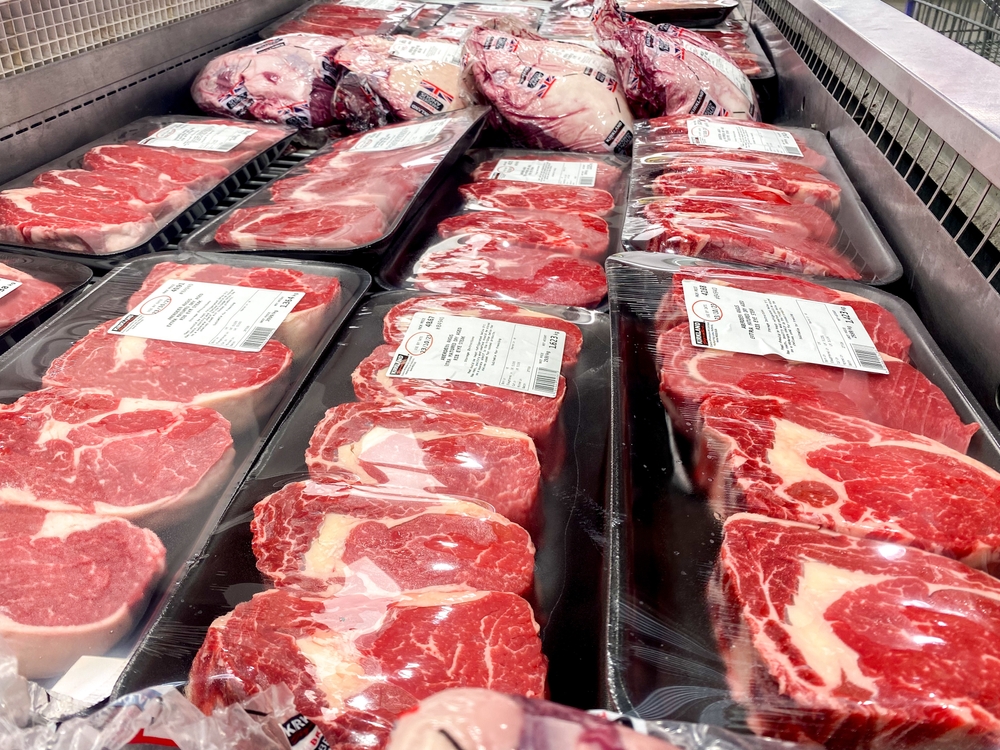
VAT on Meat Could Slash EU Diets' Environmental Footprint, Study Reveals
New Food magazine
January 20, 2026•2 days ago
AI-Generated SummaryAuto-generated
Removing VAT reductions on meat products could significantly reduce the environmental impact of EU diets. A study suggests this measure, by increasing meat prices, would encourage shifts towards more sustainable food choices. While complex graduated systems are impractical, this straightforward step could be enhanced over time. Social compensation measures would mitigate financial burdens on households, with net costs estimated at 12 euros annually.
From an economic perspective, you should add the product-related environmental costs incurred during production to the price.
This would mean that the more CO₂ is emitted, the more expensive it becomes. Implementing such a graduated system for the enormous variety of foodstuffs, however, is very complex and therefore impractical, at least in the short term. That’s why we initially examine a straightforward option that is currently under political consideration: removing tax reductions on meat products.”
Such a comprehensive price signal would reduce the other environmental impacts, beyond greenhouse gases, even a little more than the selective VAT price signal for meat.
And above all, the comprehensive price signal could be enhanced over time in such a way that the policy fully addresses the problems, such as the climate and biodiversity crisis. Of course, this must be accompanied by a correspondingly strong social compensation through the reimbursement of revenues. The net costs of such a differentiated environmental tax on food would then fall to 12 euros per household per year. This would be a difficult, long-term project, that’s why our study also describes the option for a quick first step.”
Rate this article
Login to rate this article
Comments
Please login to comment
No comments yet. Be the first to comment!