
Health & Fitness
10 min read
Scientists Discover Low-Calorie Sugar: Enjoy Sweets Guilt-Free
The Economic Times
January 19, 2026•3 days ago
AI-Generated SummaryAuto-generated
Scientists have identified tagatose, a rare natural sugar with fewer calories and minimal impact on insulin levels, as a healthier sugar alternative. A new, efficient production method using engineered bacteria has been developed, promising to make this tooth-friendly sweetener more accessible. This innovation could significantly transform the market for sugar substitutes, offering a guilt-free way to enjoy sweets.
Synopsis
Scientists have identified a rare natural sugar, tagatose, that offers a healthier alternative to regular sugar with fewer calories and minimal impact on insulin levels. A new, efficient production method using engineered bacteria promises to make this tooth-friendly sweetener more accessible, potentially transforming the market for sugar alternatives.
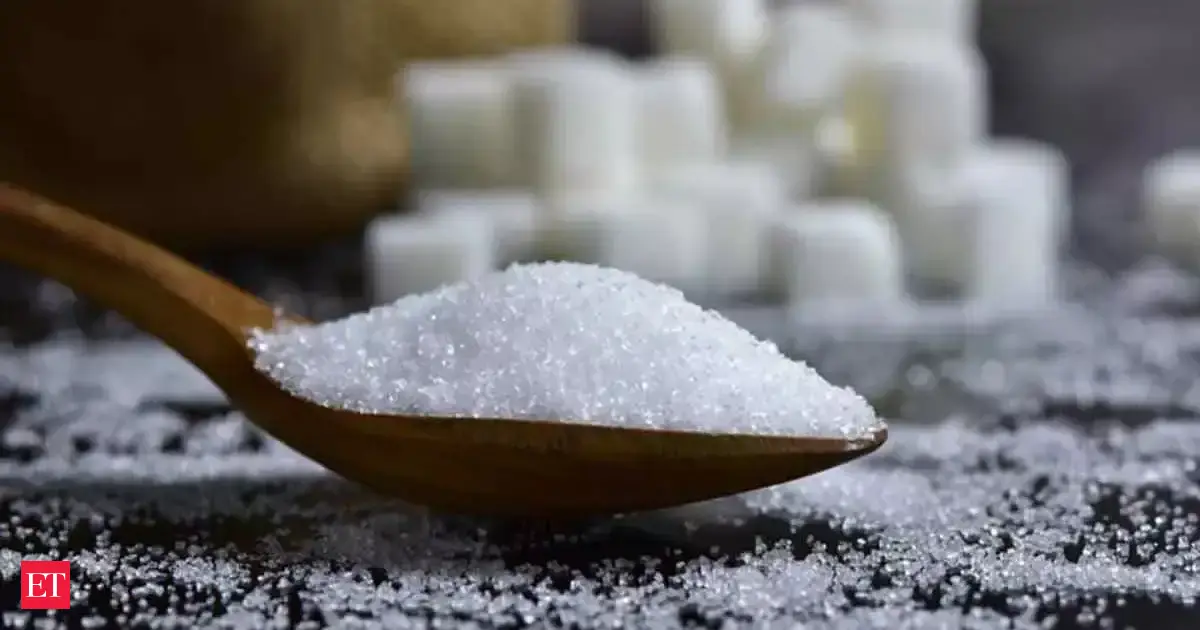
Scientists have identified a rare natural sugar that tastes almost like regular sugar, carries fewer calories, and does not sharply raise insulin levels. Called tagatose, the sugar could soon emerge as a healthier option for people trying to cut down on sugar without turning to artificial sweeteners. Their findings were published in Cell Reports Physical Science.
What makes tagatose different
Tagatose is about 92 percent as sweet as table sugar but contains only one-third of the calories. More importantly, it has a minimal effect on blood glucose levels. This makes it a promising alternative for people with diabetes or those who are sensitive to insulin.
The sugar also has other advantages. It is considered tooth-friendly, may reduce harmful oral bacteria, and can handle high baking temperatures, something many artificial sweeteners struggle with.
Why tagatose has stayed rare till now
Tagatose occurs naturally in small amounts in fruits and dairy products. However, its limited natural availability has kept it out of everyday use. Existing methods to make it in large quantities are expensive and inefficient, making the sugar hard to scale for mass consumption.
New production method changes the game
Researchers from Tufts University, working with US-based Manus Bio and India’s Kcat Enzymatic, have now developed a more efficient way to produce tagatose. Their study was published in Cell Reports Physical Science.
Live Events
The team engineered Escherichia coli bacteria to act as tiny production units. They introduced a newly discovered enzyme from slime mold, known as galactose-1-phosphate-selective phosphatase. This enzyme helps convert glucose into tagatose with production yields reaching up to 95 percent, far higher than current methods.
While researchers say more work is needed to fine-tune the process, they believe this method could open the door to wider use of tagatose and other rare sugars. With demand for healthier sugar alternatives rising, the global tagatose market is projected to reach $250 million by 2032.
If scaled successfully, this little-known sugar could quietly change how sweet foods are made — without the usual sugar rush.
(You can now subscribe to our Economic Times WhatsApp channel)
JSW Infra’s INR1,200-crore shopping of three promoter firms raises eyebrows
Why Tiger Global tax verdict made every VC squirm
Why high economic growth rate doesn’t translate into high stock returns
Generous payouts come back to bite IT firms in the era of AI
Stock Radar: JSW Energy breaks out from inverse head & shoulder pattern; time to buy?
Stock picks of the week: 5 stocks with consistent score improvement and upside potential of up to 36%
1
2
3
Rate this article
Login to rate this article
Comments
Please login to comment
No comments yet. Be the first to comment!