
Geopolitics
11 min read
Liberia Can Achieve More: A Vision Beyond Botswana
thenewdawnliberia.com
January 20, 2026•2 days ago
AI-Generated SummaryAuto-generated
Liberia possesses greater natural resources than countries like Botswana, yet lags due to poor governance and corruption. Successful nations, including Botswana, Mauritius, and Rwanda, prioritized disciplined resource management, investment in education and health, and zero tolerance for corruption. Liberia can surpass these countries by adopting honest, people-centered leadership that negotiates fair concessions and invests in human capital.
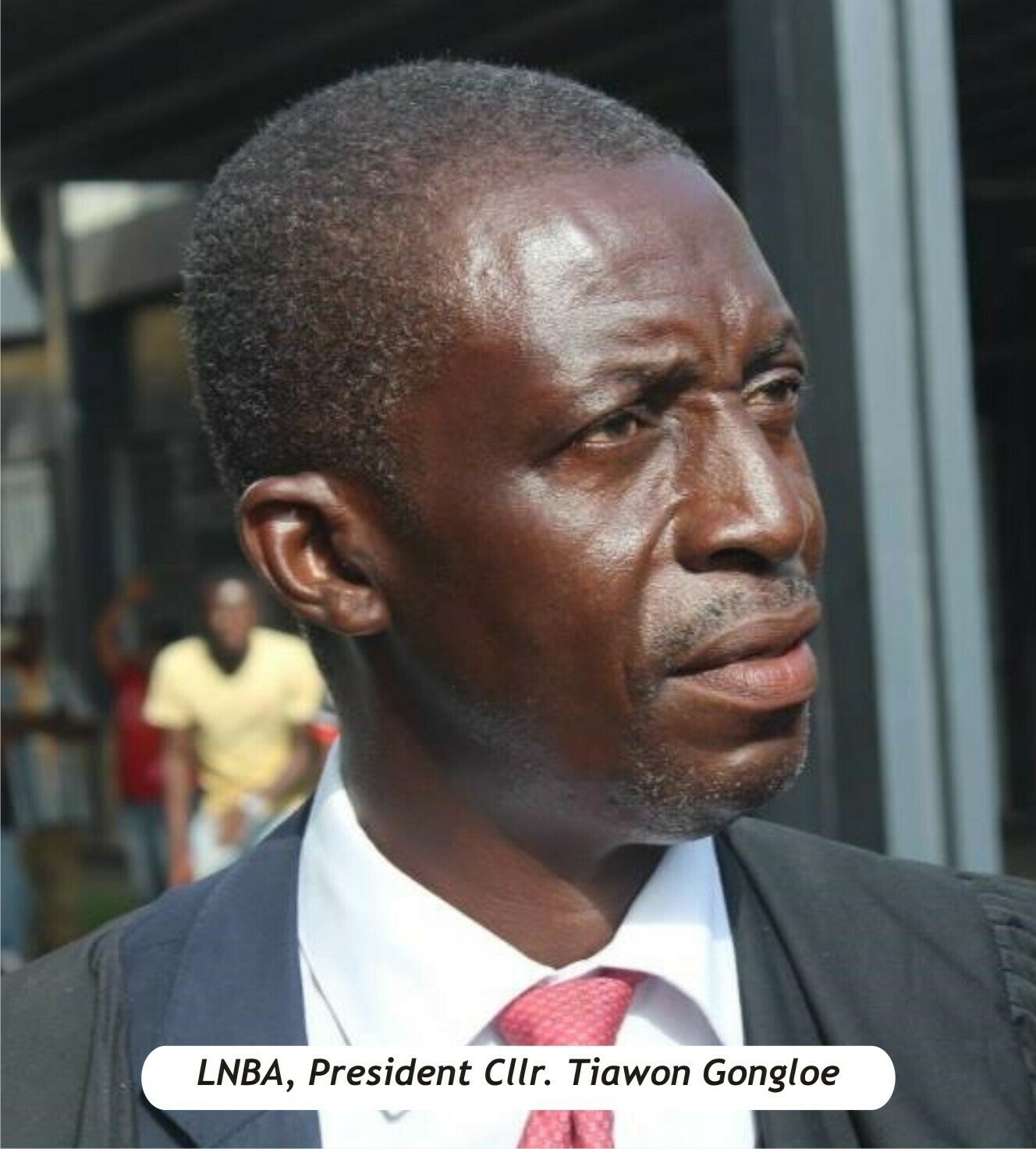
By Tiawan Saye Gongloe
Human Rights Advocate | Former Solicitor-General of Liberia |
Former Cabinet Minister | Former President, Liberian National Bar Association |
Assistant Professor of Law
Liberia is not a poor country. Liberia is a rich country that has been poorly governed. When we compare Liberia with countries such as Botswana, Namibia, Mauritius, Seychelles, Cape Verde, Rwanda, and Burkina Faso, one truth becomes undeniable: Liberia has more natural advantages than most of them, yet remains behind them.
Botswana, often cited as Africa’s success story, is now a middle-income country. It achieved this not because it was richly endowed, but because it managed its limited resources with discipline, integrity, and foresight. Diamond revenues were invested heavily in education, health, and infrastructure, and corruption was treated as a crime, not a culture. Liberia can surpass Botswana in a relatively short time, provided it adopts honest and people—centered governance, as Liberia possesses far greater natural endowments.
Mauritius, Cape Verde, and Seychelles have almost no natural resources. What they invested in instead was human capital. Education became their survival strategy. Namibia and Burkina Faso, though resource-limited compared to Liberia, made deliberate choices to strengthen institutions and invest in skills. Rwanda, despite its undemocratic structure, placed discipline, education, and zero tolerance for corruption at the center of national recovery.
A critical difference lies in how these countries manage concessionaires, especially in mining, agriculture, and fisheries. In Botswana and Namibia, concessions are negotiated for the benefit of the people, not merely the companies. Governments ensure that mining and agricultural activities generate jobs, skills transfer, infrastructure, and community development, while revenues are transparently invested in schools, clinics, and roads. Where companies fail to meet their obligations, concessions are reviewed or withdrawn.
In Liberia, by contrast, concession agreements most often benefit concessionaires and politically connected individuals more than the communities on whose land wealth is extracted.
Liberia’s natural advantages go even further. Liberia has iron ore, gold, diamonds, timber, fertile land, abundant water, uranium, river sand, granite, among othere and a favorable climate with abundant rainfall and sunshine. Liberia has enormous fishery potential, capable of feeding the nation, employing thousands of young people, and generating export revenue.
Liberia’s forests make it a global carbon sink, creating opportunities for carbon credit financing that could support education, healthcare, and rural development. Liberia may even become an oil-producing country if current explorations prove positive.
Yet countries such as Norway, Denmark, and Finland — nations with ice, limited sunshine, and harsh climates — have become donor countries to Liberia and others. They did so not because nature favored them, but because leadership favored the public interest over private greed.
The lesson is clear: with poor leadership stimulated by corruption, Liberia will never develop, no matter how rich the soil or abundant the rain.
But with selfless, people-oriented leadership that invests in education, negotiates fair concessions, and enforces accountability, Liberia can match — and surpass — the countries we admire today.
Rate this article
Login to rate this article
Comments
Please login to comment
No comments yet. Be the first to comment!