
Breaking News
10 min read
Kisumu Embraces New Era: Traffic Lights Transform City Roads
the-star.co.ke
January 21, 2026•1 day ago
AI-Generated SummaryAuto-generated
Kisumu city has installed traffic lights to improve road order, but drivers and motorcyclists are struggling to adjust. While welcomed as a step towards reducing congestion and accidents, the transition is proving difficult, with many road users exhibiting confusion and a lack of discipline. Residents are calling for public education campaigns and strict enforcement by authorities to ensure compliance and prevent accidents.
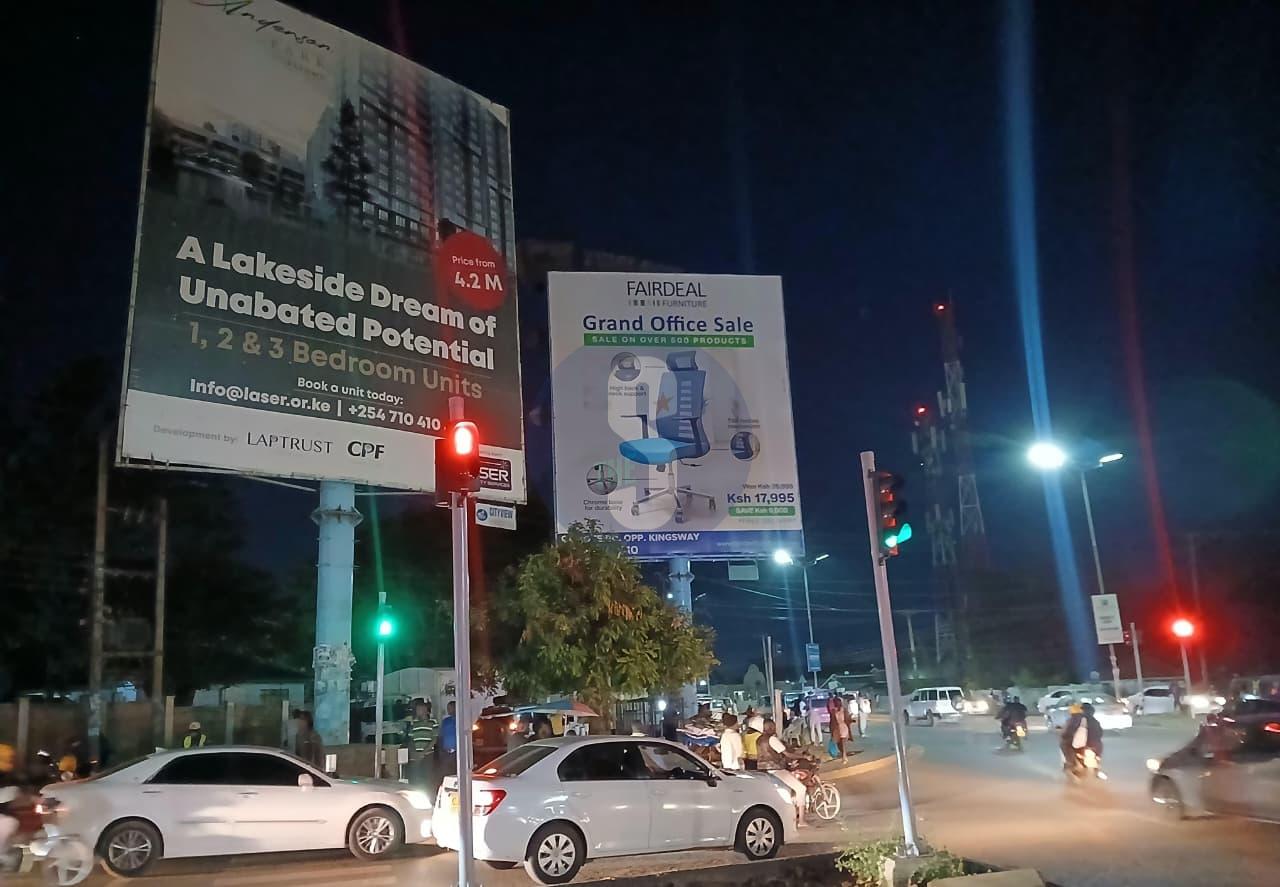
In Kisumu city, the glow of newly installed traffic lights is beginning to change how the city moves.
For many residents, the signals represent more than flashing red, amber and green, they are a test of discipline, patience and the city’s readiness to embrace order on its roads.
Along the Patels Roundabout, boda boda rider Joseph Abanja eases to a stop at a red light, watching as a few motorcyclists weave past stationary vehicles.
“This is a good initiative and long overdue,” Abanja says, shaking his head.
“But the challenge is that some people are not following the rules. You find the light is red, vehicles are stopped, yet someone still wants to cross.”
Abanja believes the confusion is not defiance alone, but unfamiliarity.
“We are still not used to this thing; that's the challenge. But with time it will be well, just like we see in Nairobi,” he adds.
Promise of order, reality of confusion
The introduction of traffic lights has been welcomed by many as a step toward restoring order on roads long plagued by congestion, overlapping lanes and near-misses involving vehicles, motorcycles and pedestrians.
Some residents say the enforcement of traffic regulations, could finally instill discipline among motorists. Yet on the ground, the transition has been anything but smooth. Drivers hesitate at junctions, unsure when to move. Motorcyclists dart through gaps even when the signal is red.
Pedestrians step onto crossings cautiously, uncertain whether vehicles will actually stop.
“There is a need for serious sensitization,” Abanja insists.
“Motorists need to understand when to stop and when to move. Right now, only a few people get it,” said Fredrick Ayugi Call for enforcement and education Road users are now calling on authorities to step in decisively.
According to Abanja, the National Transport and Safety Authority (NTSA) should lead public education campaigns, while the Kenya Police traffic department maintains a visible presence in the early days of the rollout.
“For the next few days, traffic police should be on the ground to guide people,” he says. “You can’t just put up lights and assume everyone will understand.”
Human rights activist Chris Owala warns that without accountability mechanisms, the traffic lights alone may not reduce accidents.
“There is a lot of impunity in Kisumu,” Owala said adding that the impunity will cause accidents even with these systems in place. He argues that CCTV surveillance should be installed at major junctions to ensure smooth operations and compliance.
“We need CCTV to cover these areas. It will help enforce the law and protect lives,” Owala notes.
A learning curve for the city
For now, Kisumu appears to be on a learning curve, balancing modern traffic systems with long-standing road habits.
Many residents agree that the lights are a positive development, but only if backed by education, enforcement, and accountability. As Abanja prepares to ride off when the light turns green, he remains hopeful.
“With time, people will learn. But we must be guided. Discipline doesn’t come automatically, it must be taught and enforced.”
Rate this article
Login to rate this article
Comments
Please login to comment
No comments yet. Be the first to comment!