
Politics
12 min read
Lobbyists Protest Omtatah's Attempt to Block Crucial Kenya-US Health Funding
the-star.co.ke
January 18, 2026•4 days ago
AI-Generated SummaryAuto-generated
Civil society groups are protesting Senator Okiya Omtatah's legal challenge to the Kenya-US health funding deal. The framework supports critical programs for HIV/AIDS, tuberculosis, and malaria. Protesters argue blocking the funding threatens over 1.4 million Kenyans with HIV, jeopardizing treatment and prevention efforts. Demonstrations occurred in Nairobi, demanding the case's withdrawal to ensure continued vital support.
Civil society organisations are protesting against Busia Senator Okiya Omtatah’s move to block the Kenya–US Bilateral Cooperation Framework on funding for HIV/AIDS, tuberculosis and malaria.
The organisations, members of the National Empowerment Network of People Living with HIV/AIDS in Kenya (NEPHAK), want Omtatah to withdraw a case he filed in court challenging the funding.
They expressed frustration over the case, saying it threatens their hopes of accessing critical support despite the health challenges faced by more than 1.4 million Kenyans living with HIV.
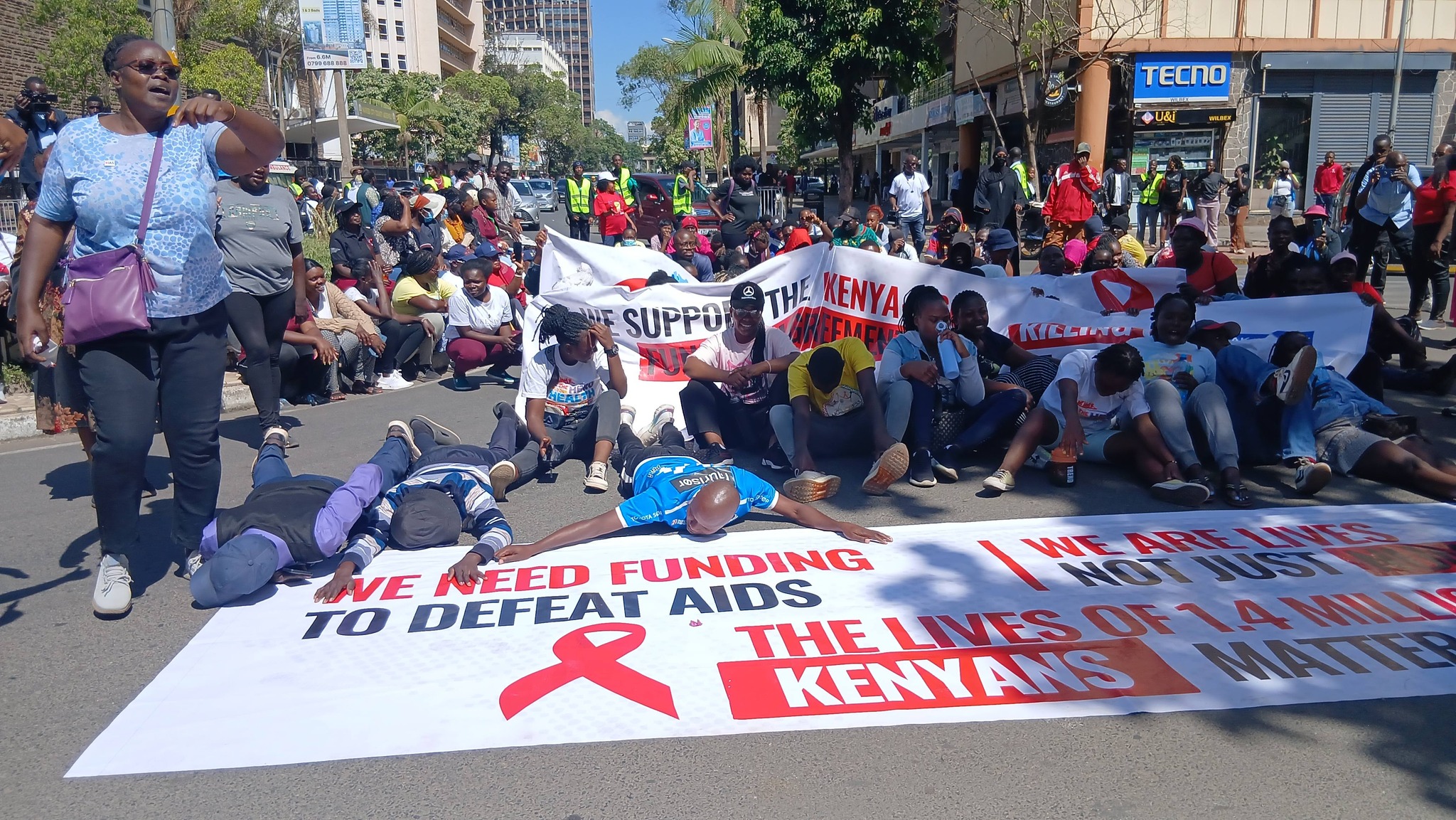
On Friday, hundreds of Kenyans held a peaceful demonstration in Nairobi, demanding the withdrawal of the case.
Carrying banners and placards with various messages, youths, women, men, the elderly, and persons living with disabilities marched peacefully from Jeevanjee Gardens in Nairobi’s city centre to the Supreme Court and the National Assembly, where they intended to present petitions.
However, they were unable to present the petitions as both institutions were not in session. The demonstrators said they would mobilise members across the country to hold similar protests.
The Kenya–US framework aims to strengthen Kenya’s health system, with a focus on sustainability and reduced donor dependency. The partnership commits both governments to collaborate on health programmes targeting HIV/AIDS, TB and malaria, with the United States providing significant funding and technical support.
The framework supports initiatives including HIV treatment and prevention, providing life-saving care to more than 1.4 million Kenyans and contributing to a 78 per cent reduction in new infections. It also seeks to reduce malaria prevalence nationally, achieve an 86 per cent TB treatment success rate, and strengthen health systems through community health units and healthcare worker training.
Protesters warned that blocking the funding could undermine progress made in fighting the three diseases.
“Today, we are here as NEPHAK members to raise our grievances because of what’s happening in our country. We believe that the lives of those living with HIV/AIDS, TB and malaria matter,” said Edith Nyambura.
“When we hear that Omtatah has moved to court to stop the funding which has been helping people living with these diseases, we believe our lives are in crisis,” she added.
“We are here to tell our government, the Supreme Court and everyone else that our lives matter. This funding should not be stopped but should come and help our members,” Nyambura said.
She noted that more than 1.4 million Kenyans living with HIV are healthy due to continued support and care.
Benard Baridi said protests would spread across the country, starting with Busia County, where the senator hails from.
“We are asking Omtatah to withdraw the case, whose hearing is slated for January 19, because Kenya has long relied on external partners for HIV medication,” Baridi said.
He warned that stopping the funding could disrupt access to condoms, antiretroviral drugs and treatment, potentially leading to advanced AIDS.
Kenya Network of HIV Positive Teachers national chairperson Anne Okaro said Busia is among the counties hardest hit by HIV, TB and malaria.
She added that more than 650 young people infected with HIV and cases of early teenage pregnancies reported daily could be affected if funding is halted.
NEPHAK director Nelson Otuoma said he was part of the Kenya–US Health Negotiation Bilateral Team and represented civil society, grassroots communities and people living with HIV/AIDS.
He said the agreement was grounded in human rights and would not breach Kenyans’ personal data, as claimed by critics of the funding model
Rate this article
Login to rate this article
Comments
Please login to comment
No comments yet. Be the first to comment!