
Space & Astronomy
18 min read
Japan's Return to ISS: Supply Missions Resume After Five-Year Hiatus
Earth.com
January 21, 2026•1 day ago
AI-Generated SummaryAuto-generated
Japan has resumed supply missions to the International Space Station (ISS) with the launch of the HTV-X1 cargo spacecraft on the H3 rocket. This marks Japan's return to routine ISS resupply after a five-year hiatus. The new spacecraft can carry substantial cargo, including experiments and essential supplies, and is designed to maintain research schedules.
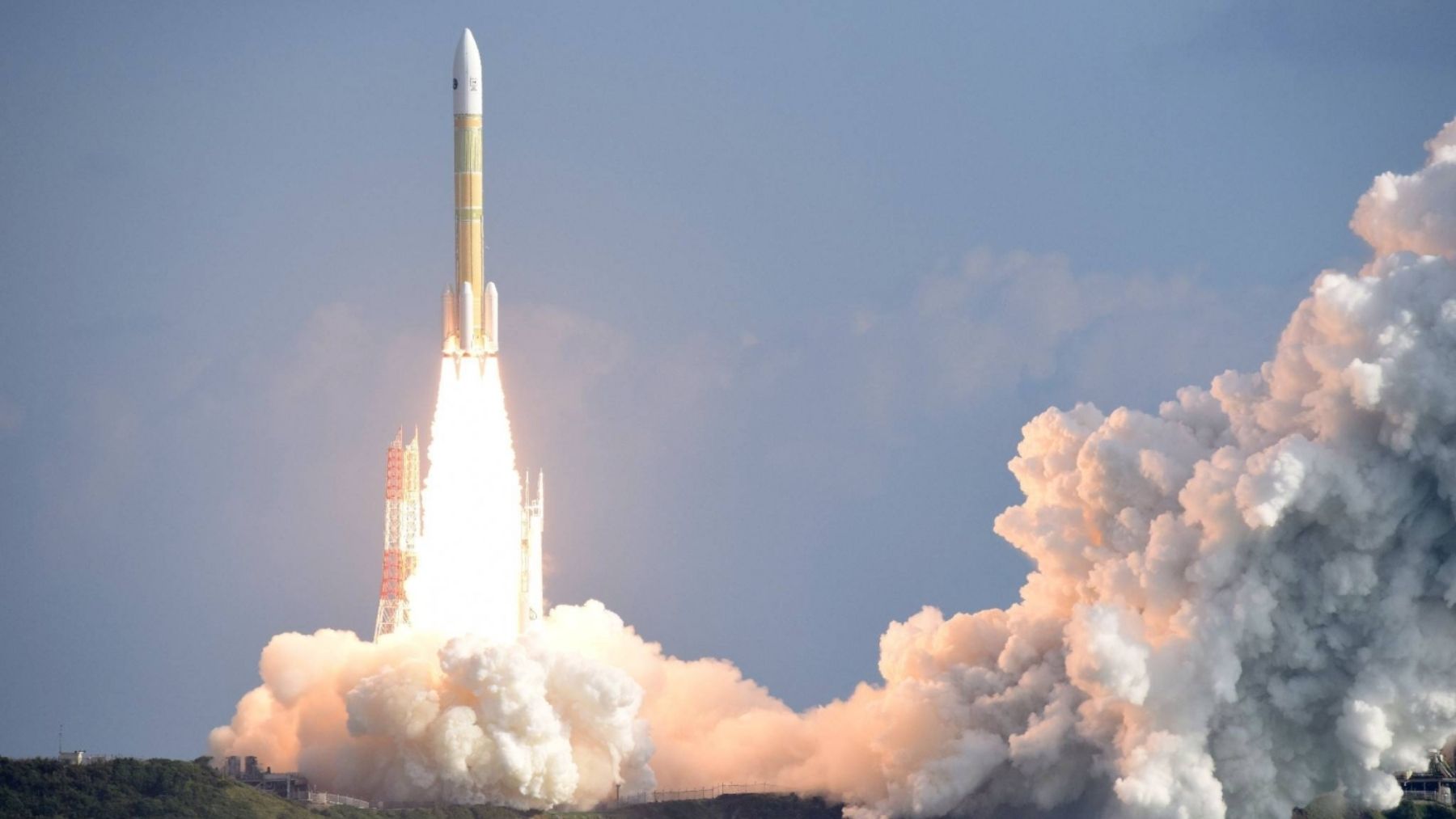
Japan sent a new, uncrewed supply ship toward the International Space Station (ISS), launching it on the H3 rocket from Tanegashima. This marks a return after five years of absence.
Designed to haul up to about 12,800 pounds (5,820 kilograms), the cargo spacecraft stocks the ISS.
Mission controllers saw the cargo spacecraft, known as HTV-X1, separate from the rocket about 14 minutes after launch, then start steady flight.
The work was led by the Japan Aerospace Exploration Agency (JAXA), which runs Japan’s human spaceflight and cargo programs.
Engineers at JAXA and Mitsubishi Heavy Industries built HTV-X1 to restore routine ISS deliveries and protect research schedules.
New name, old job
Before HTV-X1, Japan’s Kounotori cargo ships visited the ISS 9 times between 2009 and 2020.
Those missions used berthing, attaching by robotic arm, instead of docking, so astronauts guided the vehicle to a port.
HTV-X1 keeps that approach, which saves fuel and space, but it still demands careful timing near a crowded station.
Late cargo access lets crews load items closer to liftoff, rather than locking the manifest days in advance.
JAXA set the final access window at 24 hours, compared with 80 hours on the older vehicle.
That late loading creates a tight schedule, but ground teams still seal the hatch early for safety.
Powering science on the way
Some lab samples must stay cold during flight, because warmer temperatures can change proteins and cells in hours.
HTV-X1 can provide power to refrigerated units, so pumps and fans keep coolant moving and temperature stable.
Extra electronics add failure points, so designers must balance colder cargo against tighter power budgets and stricter testing.
The cargo spacecraft stands about 26 feet (8.0 meters) tall, short enough to fit under the H3 rocket fairing.
It has a launch mass near 35,300 pounds (16,000 kg) and a diameter near 14 feet (4.4 meters).
That weight shapes how much propellant it carries, and it also limits how quickly the cargo spacecraft can change course.
Inside and outside cargo for ISS
Two storage styles let the cargo spacecraft carry shirtsleeve supplies inside and bulky hardware outside, exposed to vacuum.
A pressurized compartment, a sealed space kept at crewlike air pressure, protects food and tools while crews unload them.
External mounts handle larger gear, but space-facing cargo must survive harsh sunlight and deep cold without insulation.
The cargo spacecraft must enter an elliptical orbit, an oval-shaped path around Earth, that sets up a careful rendezvous with the ISS.
Short engine burns raise the low point of that orbit, so its track slowly matches the ISS path.
Traffic rules keep wide margins, and the cargo spacecraft must yield if sensors spot a risk during approach.
Grabbing and attaching at ISS
On October 29, 2025, the station crew used Canadarm2 to capture the cargo spacecraft and pull it close.
During attitude control, tiny thrusters keep a spacecraft pointed correctly, the cargo spacecraft held position within about 33 feet (10 meters).
Ground teams then berth it to a port, and that method avoids hard impacts but takes crew time.
Oxygen, water, and other basics
Inside the pressurized compartment, the cargo spacecraft carries oxygen, nitrogen, and water tanks, plus packaged meals for the crew.
Oxygen keeps humans alive by feeding blood oxygen, while nitrogen helps set cabin pressure at safe levels.
Tight stowage space demands careful inventories, and crews must find the right spare part quickly when systems fail.
Experiments and daily gear
Science payloads share the ride, because station researchers need steady deliveries of new tools and fresh test materials.
In microgravity, near-weightless conditions from constant free fall, fluids mix differently and cells can grow in unusual shapes.
Those experiments still need Earth controls and careful logs, because limited crew time can blur small effects.
Six months at the ISS port
Once berthed at the ISS, the cargo spacecraft can stay attached for up to 6 months while astronauts unload and sort supplies.
Crew members move bags through hatches and handrails, because the cargo spacecraft arrives uncrewed and cannot help with unloading.
Afterward, astronauts pack trash inside, and the cargo spacecraft later leaves and burns up, removing waste that cannot return.
After departure, it keeps working
After unberthing, the cargo spacecraft can fly on its own for as long as 18 months, instead of heading straight home.
During that stretch, onboard power and radios support experiment boxes, and release devices can push small satellites into new paths.
Longer flights demand more tracking and fuel margins, and operators must prevent any hardware from adding to the debris problem.
Japan’s future with the ISS
Leaders linked this flight to Japan’s place in the ISS partnership, where steady logistics matter as much as big science.
“The HTV-X represents the important role and responsibility Japan should fulfill for the ISS,” JAXA President Hiroshi Yamakawa said.
That message sets a high bar, because partners judge a supplier by repeatable performance, not by one clean launch.
HTV-X1 showed that Japan can field a new cargo spacecraft, then move supplies and experiments into orbit on schedule.
Future missions will test how well the design handles long, free-flight work, and how smoothly partners keep sharing the station.
Information from the Japanese Aerospace Exploration Agency (JAXA).
—–
Like what you read? Subscribe to our newsletter for engaging articles, exclusive content, and the latest updates.
Check us out on EarthSnap, a free app brought to you by Eric Ralls and Earth.com.
—–
Rate this article
Login to rate this article
Comments
Please login to comment
No comments yet. Be the first to comment!