
Economy & Markets
16 min read
Irish Judge Refuses Transgender Child's Preferred Name in State Care
The Journal
January 21, 2026•1 day ago
AI-Generated SummaryAuto-generated
An Irish judge refused to use a transgender child's preferred name, insisting on their "original name" and referring to the child as a "biological girl." These comments, made during care reviews, have raised concerns among LGBTQ+ advocates about potential judicial bias impacting children in state care. The incidents highlight a disregard for transgender youth's self-determination and identity within the legal system.
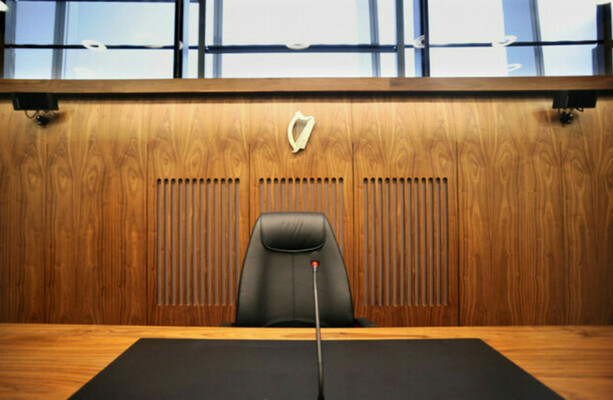
An IRISH JUDGE insisted that a transgender child in care be called by their “original name”, and remarks were made about a child being a “biological girl” in “reality” during reviews of aftercare plans in the Dublin District Court last year.
The Child Law Project reported that an unidentified male judge made the first comments in relation to a child who identified as transgender when considering what the future of their care should be after they turned 18.
In the case of that child who the court was told was “gender transitioning” from a girl to a boy, and was enrolled at a boy’s school, the judge insisted that the child be called by their original “girl’s forename”, rather than their preferred name.
In another case a judge corrected a Tusla solicitor who was referring to a child by their preferred pronouns, and told them that it was a “biological reality” that the child was a “biological girl”.
Irish LGBTQ+ charity, We Belong, told The Journal that these comments raise concern about the potential for “personal bias” making its way into courtrooms that determine the care of children for whom the State is responsible.
They said that the reports from the Children’s Law Project are “deeply concerning”.
Meanwhile the Social Democrats Spokesperson for Health Pádraig Rice TD said that in courtrooms there should be respect for “self-determination and the emerging autonomy of under 18s in the court process.”
“Trans people are best placed to identify their own gender, not judges,” he added.
Judge objects to ‘transgender’ references in care plan
In one case, the project reported that a judge said there was “too much reference to the transgender issue” in a child’s aftercare review, and the judge insisted that the child be referred to by their original first name during a review of planning for three siblings in care.
A social worker who briefed the judge in court said one of the siblings was “gender transitioning” from a girl to a boy, and was going by a boy’s name.
They said that the child was “experiencing gender dysphoria” and refusing to go to school.
The court heard that the child was enrolled in a boys’ school, and that they were receiving support from Treehouse, a therapeutic service for children, and benefiting from it.
The Child Law Project heard that the judge insisted that child be called by their original girl’s forename.
He proceeded to read from a psychologist’s report in court, in which the psychologist in question “rejected the ideological label of transgender children identification” and described such labelling as a “major psycho-social act”.
He said that the psychologist recommended that before such labels are used there should be an “individualised care plan, screening for autism and mental health issues”.
The judge said that the child had suffered trauma in life, and the social worker said that Treehouse offered a “trauma-informed” service in reply.
Advertisement
The judge reportedly said that professionals working with the child were placing “too much reference on the transgender issue… without underlying issues being addressed”.
He then listed the case for mention again, and said a “more substantive review” would be set into their care.
In a second case where a child was due to turn 18 a judge said that it was a “biological reality” that the child was a “biological girl”.
This child’s aftercare plan was being deliberated on after they had set fire to a special emergency unit they had been placed in by Tusla.
The report says that a Tusla solicitor had recalled that it was the court had previously made a direction “not to place him in a residential unit”.
At this point, according to the report, the judge corrected the solicitor and said that the child was a “biological girl”.
The court heard that the child was placed in an emergency placement instead of a mainstream residential unit.
The child then set fire to the unit, causing “serious damage”.
However, the provider of that emergency placement was still offering to give the child an aftercare placement.
They said that any future placement for that child, who was due to turn 18, would require “two exits” in light of the incident.
The use of Special Emergency Placements by Tusla has been heavily criticised by opposition politicians, and in a separate hearing not related to the above cases, a judge said that the use of SEAs must come to an end.
These placements have lesser regulations and requirements compared to mainstream facilities.
We Belong has expressed concerns about the potential longterm impact of the language used in these cases on children.
“For a child already navigating the trauma of the care system, this rejection by the State can have damaging, long-term consequences for their stability and trust in adult caregivers,” the spokesperson said.
They added that courtrooms should be a “place of safety and objective advocacy” for children in care, and “not a space where their identity is undermined”.
The charity said that refusals to use a young person’s preferred name or pronouns can create “a profound sense of alienation”.
Rate this article
Login to rate this article
Comments
Please login to comment
No comments yet. Be the first to comment!