
Technology
24 min read
iPhone 18 Pro Unveiled: Goodbye Dynamic Island, Hello Under-Screen Face ID!
Gadget Hacks
January 19, 2026•3 days ago
AI-Generated SummaryAuto-generated
The iPhone 18 Pro is expected to feature under-screen Face ID, eliminating the Dynamic Island for a full-screen display. It will also include LTPO+ displays, the A20 Pro chip, and variable aperture cameras. These advancements aim to significantly enhance user experience and camera capabilities, potentially redefining premium smartphone design.
Apple's upcoming iPhone 18 Pro lineup is shaping up to deliver the most significant design transformation we've seen in years. With reports surfacing about revolutionary under-screen Face ID technology, enhanced display innovations, and powerful new processing capabilities, the 2026 release promises to redefine what we expect from premium smartphones. Recent leaks suggest the Pro models will feature 6.3-inch and 6.9-inch displays respectively, according to Cashify. These devices are expected to launch in Apple's traditional September window, as reported by Tom's Guide. The timing couldn't be better for Apple to make a bold statement in the increasingly competitive smartphone market, with Tech Republic noting that Apple is preparing to shake up its smartphone lineup in ways we haven't seen in years.
The end of Dynamic Island? Under-screen Face ID takes center stage
Here's where things get really exciting—Apple's long-rumored under-screen Face ID technology appears ready for prime time. The iPhone 18 Pro models will reportedly implement this breakthrough feature, which allows Face ID sensors to hide beneath the display itself, as detailed by Apple Gadget Hacks. The technology works by making specific areas of the display transparent to infrared light, enabling the sensors to function without visible cutouts, according to the same source.
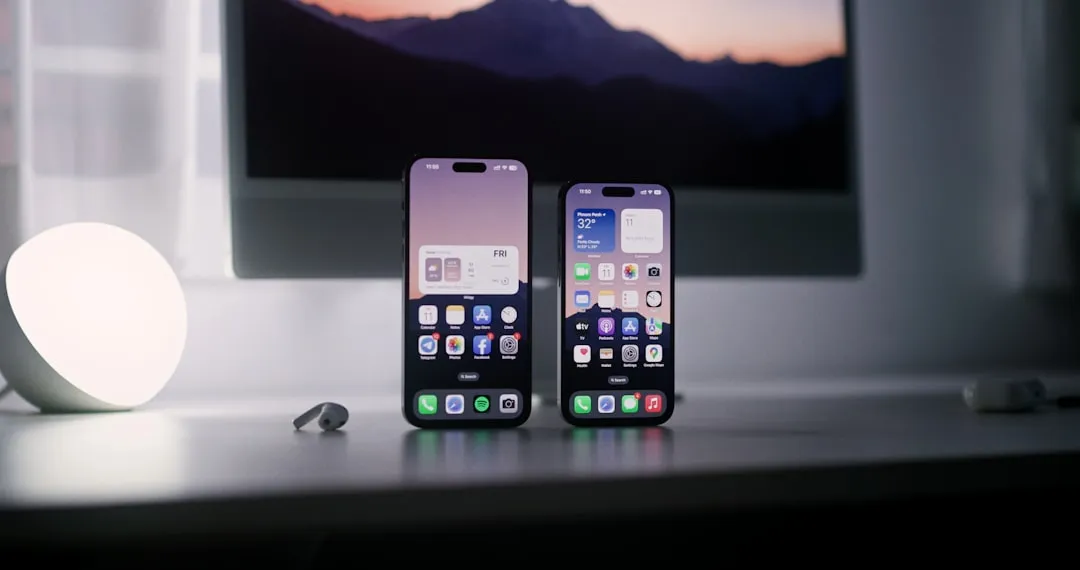
Now here's the thing that makes this particularly game-changing: it could spell the end of the Dynamic Island on Pro models. The current pill-shaped Dynamic Island would be eliminated, MacRumors reports. Instead, the front camera would relocate to the top-left corner in a smaller punch-hole design, as noted by Digital Trends. This change would create the most dramatic front-face redesign since the iPhone X debuted in 2017, Vietnam Net emphasizes.
This isn't just about aesthetics—it represents a fundamental shift in how Apple approaches display design. By successfully integrating Face ID sensors beneath the screen, Apple positions itself ahead of competitors who are still struggling with similar implementations. The manufacturing complexity alone suggests Apple has solved engineering challenges that have stumped the industry for years.
LTPO+ displays bring next-generation visual excellence
Beyond the Face ID revolution, Apple is reportedly developing enhanced LTPO+ display technology exclusively for the iPhone 18 Pro models. This represents a significant upgrade from current LTPO panels, promising improved power efficiency and enhanced visual performance, WCCFTech reveals. The new displays will maintain 120Hz refresh rates while delivering better energy management, 9to5Mac confirms.
What makes this particularly noteworthy is that LTPO+ technology hasn't been introduced to the market yet, making Apple potentially the first to implement this advanced display solution, according to WCCFTech. The enhanced efficiency could translate to several additional hours of battery life while maintaining the vibrant colors and deep blacks Pro users expect.
However, there's a potential roadblock. Manufacturing challenges similar to those faced with tandem OLED production could potentially impact the timeline, the same source notes. Samsung initially balked at producing certain advanced display technologies due to profitability concerns, and similar hesitation could affect LTPO+ implementation. If Apple overcomes these manufacturing hurdles, it would create another compelling differentiator between Pro and standard models.
A20 Pro chip and performance breakthroughs
Let's break down what's happening under the hood—and it's genuinely impressive. The iPhone 18 Pro models will be powered by Apple's new A20 Pro chipset, manufactured using TSMC's cutting-edge 2-nanometer process technology, Tom's Guide reports. This represents a significant leap from the current 3nm process, potentially delivering 15% performance gains and up to 30% lower power consumption, Vietnam Net indicates.
The memory situation is getting a substantial upgrade too. These devices will feature 12GB of LPDDR5 RAM, a significant increase that will enable more sophisticated AI processing capabilities, according to Tech Advisor. This jump should make everything from multitasking to complex AI operations feel notably more responsive, particularly when running multiple demanding applications simultaneously.
Apple is also introducing its own C2 modem chip, replacing Qualcomm components and promising improved 5G connectivity with better power efficiency, Tech Republic notes. The company is reportedly debuting its own "C2" 5G modem and "N2" wireless chip for Wi-Fi 7 and Bluetooth 6, according to the same source.
The real magic happens when these components work together. The combination will support advanced on-device AI features, including a significantly enhanced Siri experience powered by Gemini AI integration, Tech Republic confirms. Apple is keeping Siri distinctly its own while fine-tuning Gemini to respond the way Apple prefers, the same source notes.
Camera innovations with variable aperture technology
Photography enthusiasts have serious reasons to get excited about the iPhone 18 Pro's camera system. The main 48-megapixel camera will introduce variable aperture technology for the first time in an iPhone, Vietnam Net reports. This mechanical iris system allows the camera to automatically adjust light intake based on shooting conditions, providing brighter photos in low light and better depth of field control in bright environments, according to the same source.
The beauty of this system lies in its automatic operation—users won't need to manually adjust settings to get optimal results in different lighting conditions. The front-facing camera will also see improvements, upgrading to an 18-megapixel sensor from previous generations, Cashify notes. Samsung is reportedly developing a new three-layer stacked camera sensor specifically for the iPhone 18 series, which could enhance image processing capabilities, Tech Advisor reveals.
These camera enhancements position Apple to directly challenge professional camera manufacturers. The variable aperture camera system signals Apple's commitment to closing the gap between smartphones and professional photography equipment. For content creators and photographers, this could be the upgrade that makes the iPhone 18 Pro Max a legitimate replacement for dedicated camera gear in many shooting scenarios.
What this means for the iPhone ecosystem
The iPhone 18 Pro represents more than just incremental upgrades—it's a fundamental reimagining of what premium smartphones can offer. The successful implementation of under-screen Face ID could pave the way for completely uninterrupted displays in future iPhone generations, Apple Gadget Hacks suggests.
Consider the broader implications: with storage options potentially reaching 2TB and enhanced AI processing capabilities, Vietnam Net reports, these devices are clearly targeting content creators and power users who demand professional-grade capabilities from their mobile devices. This isn't just about having a better phone—it's about having a device that can genuinely replace professional equipment in many workflows.
The September 2026 launch window gives Apple ample time to refine these groundbreaking technologies and ensure they meet the company's exacting standards. For those invested in the Apple ecosystem, the iPhone 18 Pro lineup promises to deliver innovations that will influence smartphone design for years to come. This represents Apple's most ambitious leap forward since the iPhone X, potentially creating a new category of truly professional mobile devices that could make competing flagship phones feel dated by comparison.
Rate this article
Login to rate this article
Comments
Please login to comment
No comments yet. Be the first to comment!