
Health & Fitness
26 min read
Closing the Vaccination Gap for India's Older Population
The Hindu
January 20, 2026•2 days ago
AI-Generated SummaryAuto-generated
India's older adult population, comprising nearly 130 million individuals, has critically low vaccine coverage, less than 5%. This contrasts sharply with childhood vaccination rates and represents a significant public health failure. Core adult vaccines remain underutilised due to systemic gaps, costs, and hesitancy, despite their crucial role in preventing severe infections and maintaining independence. Closing this gap is an urgent priority.
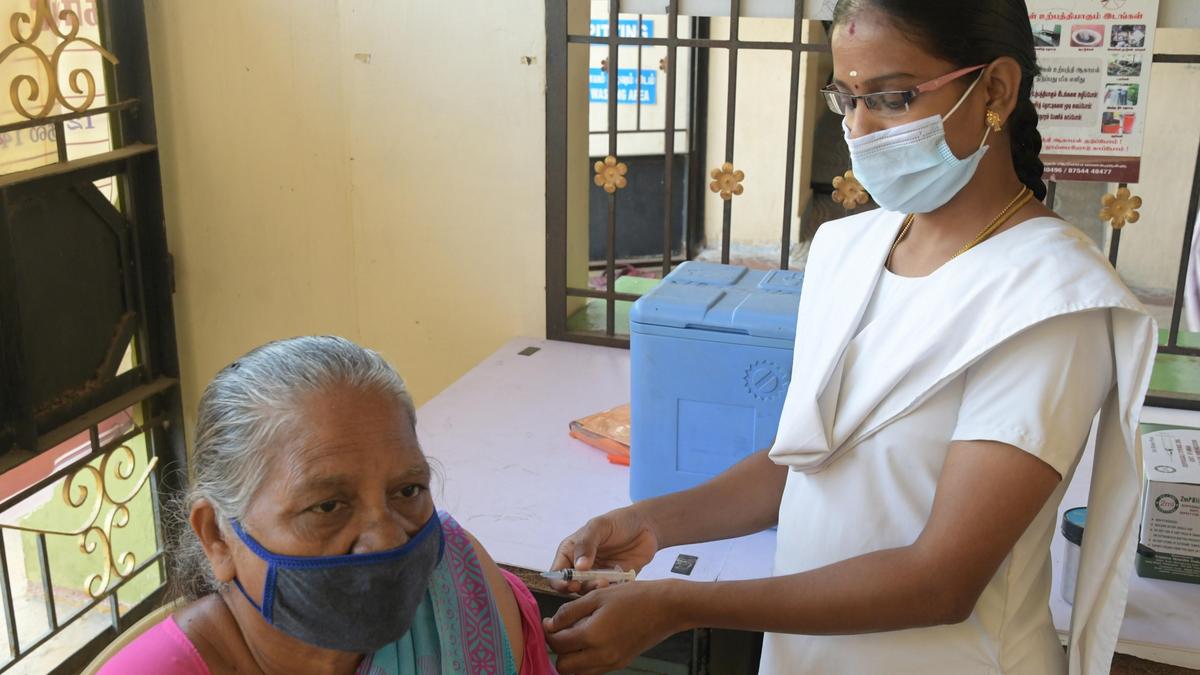
India’s older adult population — nearly 130 million people aged 65 years and above — remains almost entirely unprotected by vaccines designed for them. Current coverage is less than <5%, a stark contrast to childhood vaccination rates of 75–90% under the Universal Immunisation Programme (UIP). This urgent situation demands immediate attention and action.
Since its launch in the mid-1980s, the UIP has saved millions of lives, mirroring global estimates from the World Health Organization that childhood vaccines have prevented over 150 million deaths worldwide. Yet, while children are well protected, adult immunisation -- especially for older adults -- is almost absent. This represents a reversed vaccine gap and a significant public health failure.
Scope of protection
The WHO lists 25 vaccine-preventable diseases (VPDs); at least 18 vaccines are recommended for adults as part of routine or high-risk immunisation. Some, such as yellow fever, typhoid, hepatitis A and meningococcal are reserved for special settings including travel, outbreaks, or high-risk exposure. However, even core vaccines for older adults — influenza, pneumococcal, herpes zoster, diphtheria-tetanus-pertussis, hepatitis B, and COVID-19 — remain underutilised in India.
Unlike in many high-income countries, where adult immunisation is embedded in primary care and geriatric services, in India, it is niche, opportunistic, and clinician-driven, with a wide research-to-practice gap.
Ageing and health
Immunosenescence: With ageing, the immune system loses strength — a process called immunosenescence. Vaccine responses weaken, infections linger longer, and complications are more severe.
Physiological decline: Older adults experience reduced tissue repair and resilience, meaning even minor infections can accelerate frailty, disability, and dependence. Recovery is slower, and infections often become turning points in long-term health trajectories. Take Herpes Zoster (shingles) for instance. The lifetime risk is ~30% in the general population (one in three would get it), and by age at or over 85, the risk rises to ~50% (one in two). This is not just a rash: shingles can cause vision loss, postherpetic neuralgia (chronic nerve pain), or increased stroke risk.
Multi-morbidity: Most older adults live with chronic illnesses: diabetes, heart disease, cancer, and chronic respiratory disease (often worsened by pollution). Infectious episodes can destabilise these conditions, causing a cascading health decline.
Mortality shift: Deaths once attributed to “old age” are now increasingly linked to specific chronic diseases, exacerbated by infections.
Infection risks in older adults: Some infections are acute and highly exposure-dependent, for example, with influenza, the circulating strains vary yearly, driving seasonal epidemics. In India, influenza occurs year-round with two peaks — monsoon and winter, unlike the single winter peak in temperate countries. As per the U.S. Centers for Disease Control and Prevention (CDC) 2024–25 data: influenza vaccine effectiveness in ≥65-year-olds was 38–57% against hospitalisation. Pneumococcal bacteria causes, besides pneumonia, invasive diseases such as meningitis, and bloodstream infections. Case fatality rates (CFR) are: 20–25% in ≥65 years, compared to ~5–10% in younger adults. Herpes Zoster can be prevented with Shingrix, which provides ~90% protection, even in adults ≥ 70 years — this is strongly recommended because of both high efficacy and serious complications. Together, these infections cause disproportionate harm in older adults, reinforcing the need for preventive vaccination.
Understanding vaccine effectiveness
When a vaccine is “90% effective,” it means a 90% reduction in risk, not that 10% of vaccinated people will fall ill. Even vaccines with modest effectiveness (e.g., influenza at 40–60%) substantially reduce hospitalisations, severe complications, and deaths.
Public health guidelines recognise this with different recommendations: high recommendation (e.g., measles vaccine >80% in childhood protection); moderate recommendation (e.g., COVID-19 vaccines during Omicron, 40–80%) and conditional use (e.g., RTS, S and R21 malaria vaccine at 30–50% effectiveness in high-burden regions among children).
For older adults, even partial protection translates into significant gains in independence and survival. This underscores the potential benefits of adult immunisation, offering hope and optimism for a healthier and more independent older population.
Most older adult vaccines are inactivated or recombinant, not the live virus. They are safe, with side effects limited to mild pain, redness, or low-grade fever. This emphasis on safety is intended to reassure and instil confidence in the audience. The benefits far outweigh the risks. Documentation of vaccination is preferred, but routine antibody testing is not necessary.
Vaccination without calculators
Unlike chronic disease calculators (e.g., for heart attack or stroke risk), no precise tools exist to predict infection risks in older adults. Exposure varies each year, but consequences are consistently severe.
This is why global public health bodies adopt simple age- or condition-based rules such as vaccinating all over a particular age or vaccinating all with a particular condition.
In India, where influenza is year-round and pneumococcal disease remains a threat, low thresholds for intervention are justified.
Barriers in India
Costs and access: Vaccine costs, especially high-priced vaccines like the shingles vaccine are a significant barrier. There are also access costs such as for travel, clinic fees, and time. Also, the recurring schedules such as annual flu vaccines and 5- or 10-year boosters require reminders. For retired, self-paying adults, affordability often determines uptake.
Systemic gaps: There is no national adult immunisation policy. This is compounded by weak surveillance and data, a lack of clinician training, and no awareness campaigns.
Hesitancy: There is limited awareness of vaccine benefits. Misunderstandings about vaccine effectiveness (“not 100% = not worth it”) add to this. There are also concerns about side effects or injection discomfort.
Opportunities
Harmonisation and partnership: Closing the gap requires the government, clinicians, communities, and older adults working together. Outreach models can mirror the voting ballots programs, bringing vaccines to homes and community centres. Preventive spending is cost-effective — typically under 10% of treatment costs.
Awareness and adherence: Education campaigns explaining vaccine terms and benefits can reduce hesitancy. Reminder systems (SMS/phone alerts) improve completion of multi-dose schedules. Community engagement with senior centres and associations can normalise vaccination.
Respecting choice: Respecting patient autonomy is crucial in vaccine decision-making. Clinicians should offer vaccines to all individuals ≥65 years, explain the benefits and risks clearly, and respect the patient’s decision, whether they choose to accept or defer the vaccine. This approach builds trust and encourages vaccine acceptance.
Cold-Chain and delivery: Reliable storage ensures vaccine efficacy, and the use of mobile clinics and home-based services can widen reach.
Policy alignment: The U.S.’s CDC/ACIP guidelines prioritise schedule by age and immune status while the World Health Organization uses a matrix to balance effectiveness, feasibility, and public health impact. There is a need for an alignment on policy on adult vaccinations in India.
Call to action
With a limited focus on adult immunisation, a significant policy vacuum exists. To address this, we need to incorporate adult vaccination into primary care and geriatric services, launch community-based campaigns to reduce access barriers, train clinicians in risk-stratification checklists and generate epidemiologic data to guide tailored vaccine policies.
India’s older adults face the highest infection-related mortality risk but remain the least vaccinated group. Unlike children, who benefit from structured UIP programmes, older adults lack comparable support. Because infection risk is unpredictable but consistently severe, the best strategy is not individualised calculators but broad, proactive vaccination by age and condition.
Protecting older Indians through vaccines preserves health, independence, and dignity — and is a cost-effective investment in healthy ageing. Closing this vaccination gap is no longer optional; it is an urgent public health priority.
This article was first published in The Hindu’s e-book Care and Cure.
Rate this article
Login to rate this article
Comments
Please login to comment
No comments yet. Be the first to comment!