
Economy & Markets
19 min read
India Rethinks China Investment & Procurement Curbs: Focus on Economic Impact
Moneycontrol
January 20, 2026•2 days ago
AI-Generated SummaryAuto-generated
India is reconsidering post-2020 restrictions on Chinese investment and procurement, shifting focus to economic benefits over nationality. The policy aims to attract capital for job creation and capacity building in non-sensitive sectors. Safeguards for strategic industries like defense and telecom will remain, with selective easing planned to boost economic growth while maintaining national security.
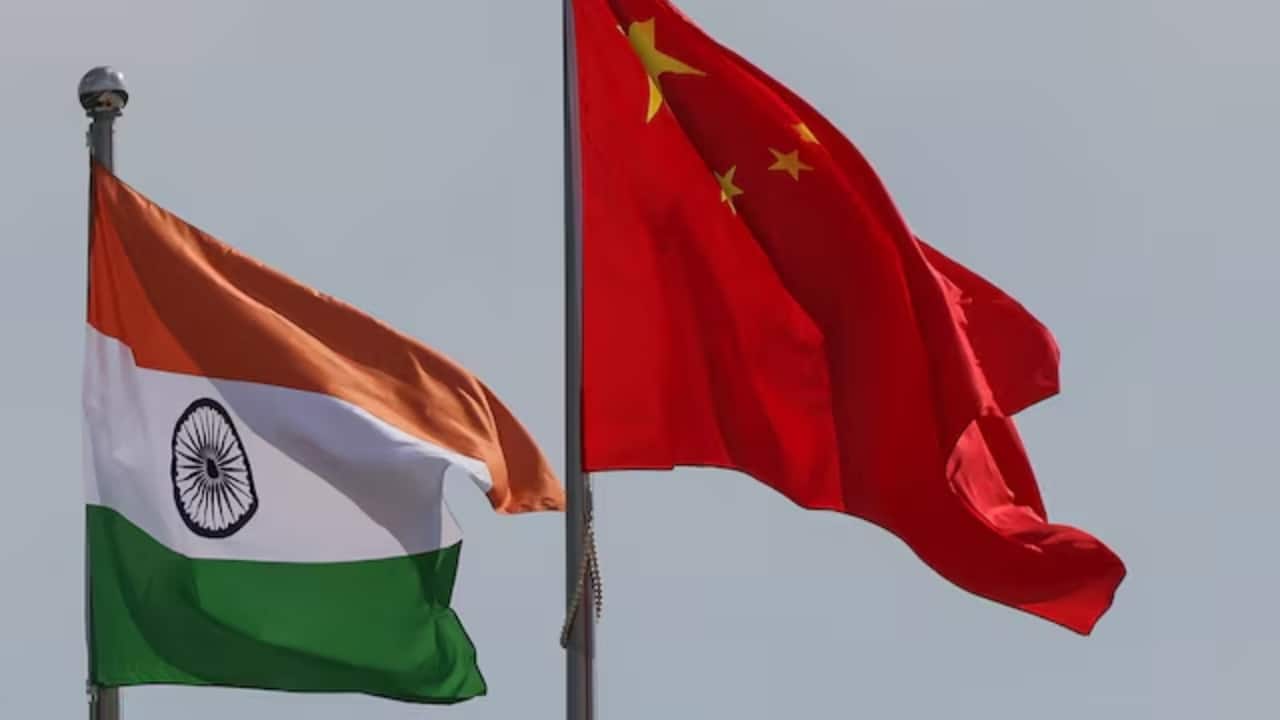
India is considering a significant rethink of its post-2020, China-focused curbs on foreign investment and government procurement, with the emphasis shifting towards economic impact rather than nationality.
There is now a “strong understanding” within the system that investments which create jobs and builds domestic capacity should be welcomed, except in sensitive sectors such as telecom, defence and strategic infrastructure, senior government sources said.
“Policy needs to reflect India’s growth ambitions,” a senior government source told Moneycontrol.
“Investment that generates meaningful employment and technology transfer should be treated on its merits, not on the investor.” The source said discussions have taken place on both Press Note 3 and government procurement norms, with a view to attracting more capital into non-strategic sectors while safeguarding national interests.
Easing Press Note 3 and procurement rules
Press Note 3, which tightened scrutiny of foreign direct investment (FDI) from countries sharing land borders with India and imposed a prior approval requirement, was introduced in April 2020 as part of measures to curb opportunistic takeovers amid geopolitical tensions.
The senior government source said the rule is now likely to be eased in sectors where domestic industry can benefit from foreign capital. “We are not talking about dismantling safeguards,” he said, “but calibrated openness in areas where India needs investment and technology, from renewable energy to advanced manufacturing.”
Similarly, procurement restrictions imposed on Chinese participation in government contracts since 2020 may also be relaxed. Some of these curbs could be eased to revive commercial ties and address project delays, the source said.
Economic rationale
The government source stressed the economic case for a rethink. “If Indian manufacturers are forced to import goods from abroad when they could be made here, we are missing out on jobs,” he said. He added that capital can already be routed through third countries, such as Japan or Mauritius, making nationality-based restrictions less effective in practice.
Balancing strategy with security
Sources said any easing will be selective and subject to national security considerations. “We will keep a firm grip on data, critical technology and strategic sectors,” the senior source said, even as avenues for investment are broadened.
The proposed changes remain under review, with consultations still underway.
Industry seeks sector-specific easing
Industry stakeholders say any relaxation of post-2020, China-linked curbs must be selective and tightly regulated, with a focus on easing input constraints without compromising strategic interests.
“In the textile and apparel sector, India’s dependence on China is primarily input-driven, not finished-goods driven,” Mukesh Kansal, Chairman, CTA Apparels, told Moneycontrol.
He said Chinese imports remain critical in man-made fibres (MMF), specialty yarns, dyes, chemicals, accessories, trims and textile machinery because China has “scale, speed, and cost advantages”.
Following the restrictions on Chinese investments, Indian manufacturers, especially in MMF-based apparel, have faced “higher input costs and supply uncertainty, impacting global price competitiveness”, Kansal said. He added that delayed access to technology in advanced processing, dyeing and finishing, and slower capacity expansion due to constraints in machinery sourcing and technical collaborations have hurt the sector.
“The industry has not sought blanket easing of restrictions. Instead, it has advocated a calibrated, sector-specific approach — allowing tightly regulated technology partnerships and machinery-linked investments that help India strengthen its textile value chain without compromising strategic or national interests,” Kansal said.
While the long-term solution lies in building domestic MMF, chemical and machinery capabilities, exporters need short-term policy flexibility to remain competitive during the transition, he added.
Engineering exporters echo similar concerns
Industry sources said several segments of India’s engineering industry remain significantly dependent on competitively priced Chinese imports, particularly in capital goods, electrical machinery and metal-based components.
During April–October 2025-26, India’s engineering imports from China rose to $24.03 billion, up from $21.34 billion in the same period last year, reflecting a 12.6 percent growth, he said.
Industry said the largest dependence is on industrial machinery used in dairy, agriculture, food processing and textiles, which accounts for 24 percent of engineering imports from China, followed by electrical machinery and equipment at 11 percent.
Aluminium products, iron and steel products, auto components, and air-conditioning and refrigeration machinery together account for about 23 percent of such imports.
Restrictions on Chinese investment, combined with China’s own export controls and licensing requirements on rare earth materials, graphite, critical minerals, batteries and related production equipment, have created serious challenges for Indian manufacturers in high-technology, clean energy and advanced manufacturing sectors, they said.
“These restrictions have affected access to rare earth magnets, magnet-making equipment, battery technologies, lithium processing technologies, tungsten alloys and advanced metallurgical inputs,” an industry source said.
This has led to higher input costs, supply uncertainties, delays in capacity expansion and difficulty in scaling advanced manufacturing in India.
The industry is seeking urgent government-to-government engagement to address issues arising from Chinese export controls, facilitate smoother trade flows of critical inputs and support sustained capacity creation.
“Continued restrictions, combined with Chinese export controls, could constrain India’s manufacturing competitiveness and slow progress towards clean energy and industrial growth targets,” he said.
Rate this article
Login to rate this article
Comments
Please login to comment
No comments yet. Be the first to comment!