
Geopolitics
7 min read
Corruption Fuels Human Trafficking: UN Report Uncovers Systemic Issues
UN News
January 20, 2026•2 days ago
AI-Generated SummaryAuto-generated
A UNODC report reveals human trafficking relies heavily on corruption at every stage. Corrupt officials facilitate recruitment, transport, and border crossings by overlooking crimes or accepting bribes. This corruption shields trafficking operations and hinders law enforcement efforts. The UNODC advocates for stronger penalties and safe reporting mechanisms to combat this interconnected issue.
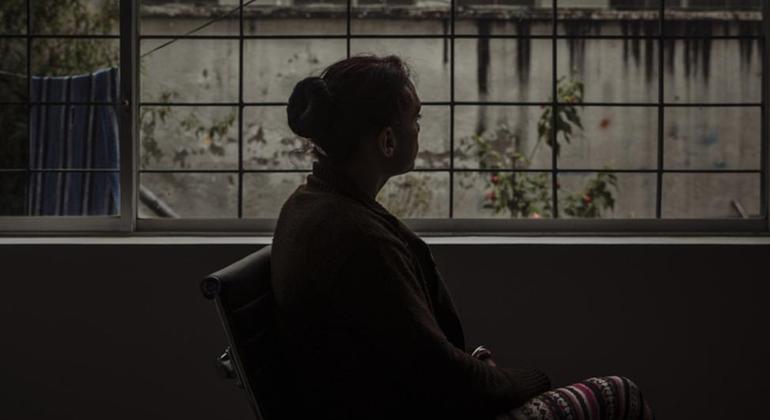
A Chilean police officer stationed at the border collaborated on the scheme, enabling the crime.
Were it not for border guards, public officials and other entities who look the other way in exchange for money or sexual favours – or are themselves being extorted – human trafficking could not occur on a large scale, according to a new report from the UN Office on Drugs and Crime (UNODC) published on Monday.
It analyses more than 120 cases involving almost 80 countries – based on consultations with policymakers, prosecutors, investigators and independent experts from more than 30 countries – to expose the ‘hidden links’ between human trafficking and corruption.
Cloak of corruption
Human trafficking can include sexual exploitation, forced labour, forced begging, organ removal and even illegal adoption, among other forms of exploitation.
The report demonstrates how corruption permeates and facilitates every stage of human trafficking.
During recruitment and transport, corrupt officials provide documentation, overlook irregularities and collude with fraudulent recruitment agencies and organised criminal groups.
At border crossings, bribes and papers obtained through corruption allow persons to be moved across jurisdictions.
Asking for help can appear difficult or impossible once a person is exploited. Corruption shields operations in industries such as agriculture, construction, fisheries and domestic work, and helps keep victims of trafficking in situations of forced labour, sexual exploitation and forced criminality.
Finally, corruption obstructs anti-trafficking efforts, from police investigations and prosecutions to judicial decisions and assistance to victims.
Breaking the cycle
UNODC supports countries in breaking the cycle of corruption and human trafficking, including by ensuring national legislation applies stronger penalties when public officials are involved in trafficking and establishing safe reporting mechanisms for victims.
Other UN agencies are also supporting the effort. Backed by the International Organization for Migration (IOM), Moldova announced last week that it is strengthening its ability to identify and stop cross-border crimes, including human trafficking, through the new headquarters of its Passenger Information Unit (PIU).
Rate this article
Login to rate this article
Comments
Please login to comment
No comments yet. Be the first to comment!