
Politics
12 min read
Government: High Court Lacks Authority for October 7 Inquiry
The Times of Israel
January 18, 2026•4 days ago
AI-Generated SummaryAuto-generated
The government argues the High Court lacks authority to mandate an inquiry into October 7 failures. It cites a 1969 law granting only the government power to establish state commissions of inquiry. Civil society groups petitioned for a commission, and the court issued a conditional order. The government claims ordering an inquiry would violate separation of powers.
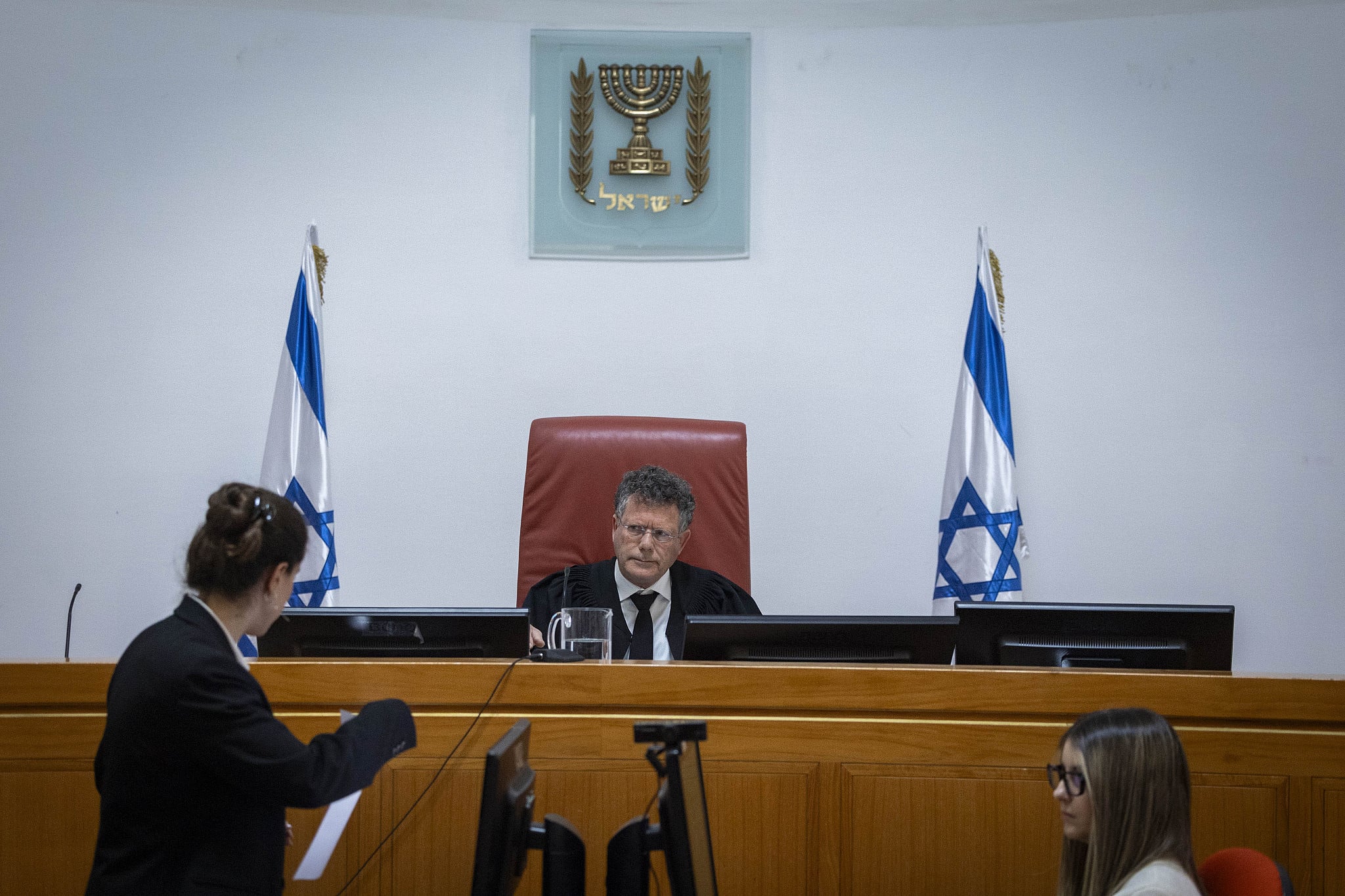
The government argued Sunday that the High Court of Justice has no authority to order it to establish a state commission of inquiry into failures surrounding the October 7, 2023, Hamas attack, responding to civil society groups who have petitioned the court to do so.
The government asserted that the 1969 Law for Commissions of Inquiry explicitly gives the government, and no other body, including the court, the authority to establish such inquiries, and cited a 2021 decision by the court to back its argument.
In 2024, the Movement for Quality Government and other civil society groups asked the High Court to order the government to establish a state commission of inquiry into the October 7 attack. Such a commission is Israel’s highest investigative authority.
The High Court issued a conditional order against the government on November 19, 2025, asking it to explain why it was not establishing a state commission.
The government, in its response, wrote: “The authority in this matter belongs to the government and not to any other entity, and this honorable court has ruled in the clearest terms that ‘the establishment of a state committee of inquiry is a matter for the government to answer, not for the court.’”
“It should be said even now that making the conditional order absolute would tear apart the principle of separation of powers and would harm the balance established by the legislature, an injury that, with all due respect, is not within the authority of this honorable court,” the government asserted.
The government is being represented in this case by private lawyers, rather than the attorney general, because the latter agrees with the petitioners.
The state cited a decision issued by the High Court in 2021 regarding requests by petitioners that it order the government to launch a state commission of inquiry into the Submarine Affair. That scandal revolved around allegations of a massive bribery scheme in Israel’s multi-billion-shekel purchase of naval vessels from German shipbuilder Thyssenkrupp.
In that case, the court noted that there was “improper and worrying conduct” that it said was deserving of further investigation, but it stopped short of ordering a probe.
Prime Minister Benjamin Netanyahu opposes the formation of a state commission, and has resisted pressure to do so throughout the more than two years since the deadly Hamas onslaught. Netanyahu has claimed that, because a state commission is appointed by the judiciary – whose powers his government has sought to curb – it would be biased against the government.
Last month, the coalition voted in favor of a preliminary reading of a highly controversial bill sponsored by Likud MK Ariel Kallner to set up a politically appointed probe instead.
Kallner’s plan calls for a Knesset supermajority to appoint a six-member investigative committee and its chairman. If there is no agreement on the members after two weeks, both the opposition and coalition would be allowed to select three committee members each, who would be joined by four supervisory members representing bereaved families.
The proposal states that if either the coalition or opposition does not cooperate in the process or cannot settle on a candidate, the Knesset speaker will choose instead — giving the coalition effective control, as opposition figures have pledged to boycott the commission.
Critics have argued that such a commission will be highly politicized since all its members will have been selected by politicians who want to avoid being found responsible for the failures.
Attorney General Gali Baharav-Miara has also panned the legislation, describing it as “tailor-made” for the “personal” needs of the government.
Rate this article
Login to rate this article
Comments
Please login to comment
No comments yet. Be the first to comment!