
Geopolitics
17 min read
Germany Now Top Coffee Buyer from Brazil, Overtaking US
dw.com
January 21, 2026•1 day ago
AI-Generated SummaryAuto-generated
Fewer people in Germany are drinking alcohol, with consumption down significantly over the past decade. In 2024, 68% of consumers reported drinking alcohol, a decrease from 78% in 2015. Younger generations are notably drinking less. Health concerns and campaigns like "Dry January" are contributing factors to this trend.
Germany overtook the US to become the largest buyer of coffee from Brazil in 2025 after US imports fell sharply due to high tariffs.
Brazil exported 5.4 million 60-kilogram (132-pound) bags of coffee to Germany last year, giving it a 13.5% share of total exports, the Brazilian coffee exporters association Cecafe said.
The US, traditionally the biggest buyer, slipped to second place with imports of 5.3 million bags, down 33% from a year earlier. Cecafe said the decline was largely driven by temporary US tariffs of 50% imposed by Donald Trump, which stayed in place for nearly four months between early August and late November.
"In the almost four months in which high tariffs were imposed on all types of Brazilian coffee, our shipments to the US collapsed by 55%," Cecafe President Marcio Ferreira said.
Trump imposed the tariffs on a range of Brazilian food products in response to legal proceedings against former Brazilian President Jair Bolsonaro, seen as a Trump ally. Bolsonaro has since been convicted and is serving a prison sentence of more than 27 years for an attempted coup.
As food prices rose in the United States, Trump largely rolled back the tariffs in November.
Why are coffee prices hitting record highs?
To view this video please enable JavaScript, and consider upgrading to a web browser that supports HTML5 video
A debate over what a fairer inheritance tax could look like has intensified after Germany's DIW economic institute has now presented an alternative concept designed to balance redistribution with economic stability.
The center-left Social Democrat (SPD) parliamentary group presented a reform proposal aimed at taxing large inheritances more heavily while easing the burden on smaller ones.
The SPD said the goal is to counter rising wealth concentration and promote equal opportunities. However, business groups and Chancellor Friedrich Merz from the center-right Christian Democrats have warned the plan could create uncertainty and threaten jobs, particularly in medium-sized firms.
DIW economist Stefan Bach told German newspaper the Süddeutsche Zeitung that "excessive privileges for the superrich will be abolished, while additional revenue could be used to relieve heirs of smaller estates," adding that reforms must not endanger investment or the survival of mid-sized companies, especially during the current economic downturn.
Germany's inheritance and gift tax system currently includes three tax classes, multiple allowances, and seven tax rates ranging from 7% to 50%, depending on kinship and the value of the inheritance. Critics say the system allows extensive tax avoidance through repeated use of allowances and broad exemptions for business assets and rental properties, often leaving large fortunes taxed more lightly than modest inheritances, such as a single-family home.
The image of the rich
To view this video please enable JavaScript, and consider upgrading to a web browser that supports HTML5 video
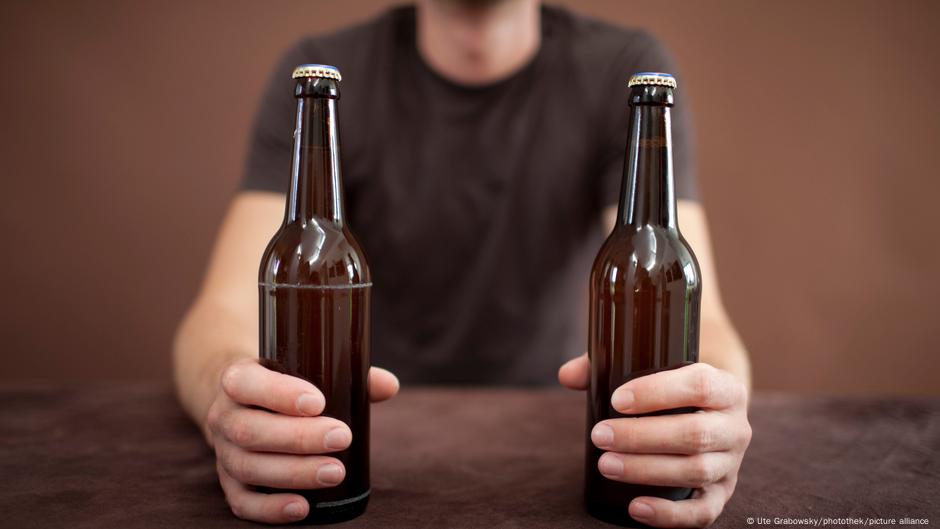
Fewer people in Germany are drinking alcohol, with the number significantly down over the last decade — although alcohol drinkers are still strongly in the majority.
In 2024, 68% of consumers said they drank alcohol, down from 78% in 2015, according to data released Wednesday by the polling institute YouGov.
Younger respondents especially are drinking less often. Among Generation Z, defined as those born in or after 1997, 61% said they drink alcohol. The figure rises to 71% among millennials, born between 1981 and 1996.
"Alcohol is increasingly losing its everyday role," said YouGov expert Anouk Buskens.
Health concerns were cited by 38% of people who reduced their alcohol consumption over the past five years. Campaigns such as "Dry January" have reinforced the trend, Buskens said, adding that alcohol is being skipped more deliberately, leading consumers to buy alcoholic drinks less often and in smaller quantities.
More people are now using the first month of the year to abstain completely from alcohol. While January has long been a weak sales month for beer, wine, and spirits, YouGov data show a steady decline since 2022. In early 2021, 60.7 million people in Germany bought alcoholic beverages. The number fell to 57.7 million the following year and most recently to 51.2 million.
YouGov only questioned people aged 18 and over. In Germany, however, people as young as 16 are legally allowed to buy and consume beer and wine.
How important is alcohol in the lives of Germans?
To view this video please enable JavaScript, and consider upgrading to a web browser that supports HTML5 video
German Foreign Minister Johann Wadephul is beginning a two-day visit to East Africa on Wednesday, starting in Kenya and continuing to Ethiopia.
Wadephul is meeting Kenyan President William Ruto and Foreign Minister Musalia Mudavadi in Nairobi, with a news conference scheduled for 3 p.m. (1200 GMT).
The German Foreign Office has said the talks are focusing on bilateral ties as well as regional and international security issues.
The visit is also addressing the preservation of the rules-based international order, following recent controversy sparked by US President Donald Trump's demand to take control of Greenland.
Ahead of his departure on Tuesday, Wadephul said it was "more important than ever to strengthen our relationships with key global partners" in a rapidly changing world.
On Thursday, Wadephul is set to hold talks in Addis Ababa with Ethiopian Foreign Minister Gedion Timothewos and African Union chair Mahmud Ali Yussuf. The German diplomat will also visit the African Union headquarters.
Rate this article
Login to rate this article
Comments
Please login to comment
No comments yet. Be the first to comment!