
Technology
13 min read
Apple Explores Titanium and Liquid Metal for Foldable iPhone Durability
Báo VietNamNet
January 19, 2026•3 days ago
AI-Generated SummaryAuto-generated
Apple is reportedly considering titanium for the frame and an improved Liquid Metal alloy for the hinge of its upcoming foldable iPhone. Liquid Metal offers durability and wear resistance crucial for a folding mechanism. While titanium provides premium feel and strength, its use for the full frame is debated due to cost and weight concerns, with aluminum also being explored.
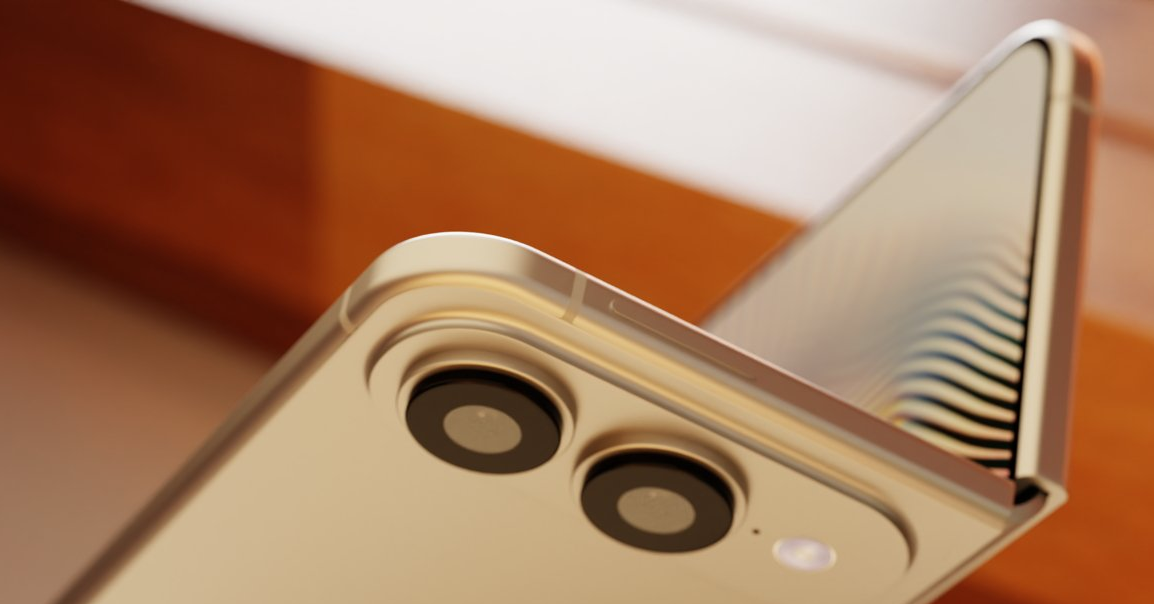
Unlike traditional iPhones with a unibody design, the iPhone Fold is engineered for daily folding and unfolding. That makes the hinge and chassis the most pressure-sensitive components - key factors that will shape the device’s durability, weight, and long-term user experience.
As a result, Apple must take extreme caution in selecting materials, especially for a product as pioneering as the iPhone Fold.
Against this backdrop, speculation around Apple’s use of titanium for the frame and Liquid Metal for the hinge has resurfaced - despite recent reports suggesting the company might opt for aluminum to better manage weight and cost.
Materials “significantly improved” from previous versions
According to a recent post on the Korean platform Naver, tech leaker Yeux1122 claims that Apple still plans to use a titanium frame paired with a Liquid Metal hinge for the iPhone Fold. More notably, the source suggests that these materials have been “significantly improved” compared to versions Apple has used in the past.
While the claim isn’t new, its resurfacing now suggests internal debates - at Apple or within its supply chain - may still be ongoing.
Among the two materials, Liquid Metal appears to be the more convincing choice. This amorphous metal alloy is well-known for its outstanding strength-to-weight ratio, wear resistance, and ability to maintain form after hundreds of thousands of stress cycles.
Apple has researched Liquid Metal for over a decade, but until now has only used it in small components - like SIM ejector tools. According to Yeux1122, the Liquid Metal used in the iPhone Fold hinge would be a vastly improved version of the alloy Apple previously explored. That would make sense, given the complexity of a foldable hinge compared to a thin metal pin.
If successfully implemented, the Liquid Metal hinge would not only boost the iPhone Fold’s durability but could also help reduce its overall thickness - an essential design factor in the highly competitive foldable smartphone market.
Titanium: a premium choice still under debate
While Liquid Metal is likely to feature in the hinge, using titanium for the full frame remains more controversial. Titanium has proven its value in recent iPhone Pro models, offering a premium feel, excellent durability, and high corrosion resistance. Some early speculation even suggested that Apple’s work on the ultra-thin iPhone Air could lay the groundwork for using titanium in the iPhone Fold.
However, reports from September and October 2025 hinted that Apple may back away from a full titanium frame. Instead, the company might use a hybrid solution - blending titanium and aluminum - or even rely entirely on aluminum for the chassis.
Multiple factors may be at play: the high cost of titanium, the manufacturing complexity of foldable designs, supply chain challenges, or simply Apple’s desire to reduce the phone’s final weight.
Weight and cost: Apple’s major design hurdles
According to Yeux1122, Apple is testing a new titanium alloy that’s stronger and lighter than past versions, made possible by altering the material’s composition and refining the production process. If true, this would be a crucial development, as foldables are already heavier than standard smartphones due to their dual displays and complex hinges.
Even so, balancing durability, weight, and production cost remains a major challenge. An iPhone Fold featuring a titanium frame and Liquid Metal hinge would certainly push manufacturing costs to new heights - raising concerns about how accessible its retail price will be.
With the iPhone Fold rumored to launch in late 2026 or early 2027, Apple is likely entering final stages of material selection and preparing for mass production. That means there’s still time to tweak both the materials and the overall design.
History shows Apple is willing to make last-minute design changes if it means delivering a better product. So the rumor mill may continue to shift before the final material choices are officially revealed.
Until then, titanium and Liquid Metal will remain the most talked-about elements in discussions about the iPhone Fold - a device not only expected to introduce bold new technology but to shape Apple’s long-term direction in the premium smartphone market.
Rate this article
Login to rate this article
Comments
Please login to comment
No comments yet. Be the first to comment!