
Entertainment
28 min read
Must-Try Filipino Dishes: A Culinary Journey Through Manila & Cebu in 2026
MICHELIN Guide
January 21, 2026•1 day ago
AI-Generated SummaryAuto-generated
Filipino chefs are revitalizing traditional dishes with modern flair, showcasing the archipelago's diverse culinary landscape. A new selection highlights must-try dishes from Manila and Cebu, ranging from street food to refined preparations. These culinary creations reflect a blend of local ingredients, historical influences, and contemporary techniques, asserting the Philippines' prominent place in global gastronomy.
Inspired by travel yet anchored in local tradition, a new generation of chefs is cooking with confidence, drawing from a rich and varied terroir that stretches across more than 7,000 islands. The inaugural selection, shaped by journeys through the Manila metro area and Cebu, captures a dining culture that moves easily between home kitchens, street stalls, long-established institutions. In 2026, the Philippines stands out not as a discovery in the making, but as one that is finally in focus.
Here are 10 dishes you must try, where to find them and where to sleep in Manila and Cebu.
Manila and Environs: A Capital in Motion
Manila has always been a city of accumulation — of people, regions, ingredients and habits gathered over time. What distinguishes its dining landscape today is not the presence of influences, but the ease with which those layers now sit together, allowing American, Chinese, Spanish and other histories to surface naturally in the food.
Regional dishes from across the Philippines share space with contemporary cooking shaped by fresh, local produce and a natural closeness to the sea. It is food that reflects both a sprawling capital built on layers of influence and coastal proximity, where seafood and seasonality set the pace.
Chicken Inasal at Aida’s Chicken
Chicken inasal is possibly Bacolod’s most famous export: chicken marinated in garlic, ginger, annatto oil and calamansi, a local citrus fruit, grilled slowly over charcoal until the skin blisters but the meat stays juicy. Traditionally served with rice, chicken oil and a sharp calamansi-soy dip (chile optional), it’s a study in balance between smoke, acidity and fat.
At Aida’s Chicken, the focus remains firmly on execution. Inspectors note the consistent grilling and faithful adherence to regional style, resulting in intensely flavorful chicken with just the right char. It’s unpretentious, direct and deeply satisfying. This is a place that proves how powerful Philippine food can be when done simply and well.
Pancit at Chie Chie’s Pancit Batil Patung
Originating from Tuguegarao, pancit batil patung is generous by design. Egg noodles are tossed with soy, garlic and meats, then crowned with a soft-cooked egg and served alongside a clear, savory broth. The ritual is part of the pleasure: Stir the egg into the noodles, sip the soup between bites, season to one’s own liking.
Inspectors highlight Chie Chie’s Pancit Batil Patung for bringing this northern Luzon specialty to Manila without dilution. Portions are generous, flavors are robust and the experience feels rooted rather than adapted — a reminder of how regional Philippine dishes continue to find new audiences in the capital.
Bihon Canton con Litson at Lola Helen
Another noodle dish comes in the form of bihon canton con litson. This is a celebratory dish, combining springy noodles with crisp, fatty roasted pork. The noodles absorb the richness of the lechon (suckling pig) drippings, carrying the flavor without tipping into excess.
At Lola Helen, there is a careful balance between texture and flavor. The dish is presented in a way that lands squarely in familiar territory, guided by experience rather than embellishment.
Sizzling Sinigang at Locavore Taguig
Sinigang is defined by its sourness, traditionally built on tamarind, guava or other local fruits. Locavore’s sizzling version flips expectations: the broth reduced into a glaze, the meat arriving on a hot plate, the familiar sour-salty profile intensified.
Inspectors recognize Locavore for its confident reinterpretations of classic dishes. The cooking is bold but grounded, modern without losing its sense of humor. This dish in particular reflects the broader trend of modern Philippine cuisine, asserting itself with clarity and confidence.
Sisig at Sarsa
Sisig, once a humble bar snack from Pampanga, has become a national icon. Chopped pork, calamansi, chiles and onions come together in a dish that thrives on contrast: hot and cold, fatty and sharp.
At unfussy, authentic Sarsa, the sisig is notable for its clean flavors and disciplined execution. The dish respects tradition while refining it, showcasing how even the most familiar Philippine foods can be sharpened through thoughtful cooking.
Where to Stay in Manila: Makati’s One MICHELIN Key Hotels
Raffles Makati offers a quieter take on luxury in the heart of the city. All-suite accommodations, private butler service and thoughtful touches such as afternoon tea and cocktails at Writers Bar make it feel intimate without being insular. Guests also have access to the shared spa, pool and fitness facilities next door, allowing the hotel to balance privacy with convenience.
Fairmont Makati, housed in the same complex, brings a more expansive energy. Rooms are generous, well-appointed and designed for comfort, with wide city views and marble bathrooms. A large pool, full-service spa and multiple dining options make it a dependable base for exploring Makati, with the added benefit of access to Raffles’ bars and lounges just steps away.
Cebu: Cooking Shaped by Coast and Current
Cebu is a place where geography is never far from the table. Surrounded by water and long accustomed to movement through trade, its food reflects both access and exchange, leaning toward seafood, slow-cooked stews and roasting traditions meant for gathering.
Today, Cebu’s dining landscape brings these practices forward with clarity. Cooks work closely with local producers, drawing from coastal ingredients and regional techniques. The result is food that feels direct and assured, grounded in place and generous by nature.
Lechon at House of Lechon
Different hands prepare the popular suckling pig in different ways, but Cebu lechon is famously defined by the seasoning inside the pig, perfumed with lemongrass, garlic and local herbs. The result is crisp skin, aromatic meat and flavor that needs no sauce.
Our Inspectors point to House of Lechon for its consistency and respect for tradition. Its careful handling of lechon is praised, where balanced seasoning and consistent roasting define the experience.
Linarang at Esmen
Linarang, also known as larang or nilarang, is a fish stew closely associated with Central Visayas. As with every home-grounded recipe, the method shifts from kitchen to kitchen, but the dish is anchored by aromatics, fermented black beans, a coconut milk broth and a gentle sourness that gives it structure.
At Esmen, linarang is cooked the way it has long been understood locally: steady in flavor and uncomplicated, with no attempt to reframe or refine it.
Beef Pares at Pares Pares (N. Escario Street)
Beef pares combines braised beef and garlic rice with a lightly sweet soy-based sauce. Uncomplicated at its core, it relies on long cooking and balance.
At bright, casual Pares Pares this beloved dish delivers comfort with consistency. The beef is tender, the flavors clear and the atmosphere distinctly local.
Morta at Abli
At Abli, morta is a contemporary pastry rooted in Cebuano tradition. Short for murag torta, meaning “like a cake,” the name signals both resemblance and departure.
Inspired by torta, the classic Argao pastry, morta keeps the familiar richness of the original while shifting the form and flavor, with versions such as original, yema (a milky custard candy), mocha and ube (purple yam) cheese. Baked quickly for a crisp exterior and tender center, it reflects a way of working with tradition that allows for variation, turning a long-standing local delicacy into something relevant to the culinary times — and distinctly Cebuano.
Humba at ATO-AH
Humba is a slow-braised pork dish, sweetened with palm sugar and banana blossoms, enriched by soy and vinegar. It’s Cebu’s answer to adobo, the classic Philippine dish of meat braised in a tangy, savory sauce.
ATO-AH’s thoughtful cooking and clear sense of place have earned a nod from our Inspectors. The humba is rich without heaviness, familiar yet distinctive, deep and layered, embodying Cebu’s coastal generosity.
Where to Stay: Cebu’s One MICHELIN Key Hotel
Set on the tip of the Punta Engaño peninsula, Dusit Thani Mactan Cebu Resort offers a smooth transition from airport to shoreline. The Thai luxury brand’s emphasis on warm, attentive service carries easily into this coastal setting, where bright, spacious rooms often open onto sea-facing balconies. Guests have reason to linger, whether at the Namm Spa, the breezy beachside bar or the striking infinity pool overlooking the water, making it a comfortable base for pairing Cebu’s dining scene with time by the coast.
Related articles:
2 Days in Manila: Connecting With the Capital City’s History and Soul - Discover Manila through the lens of its culinary scene.
5 Ways to Savor Cebu City - Step into Cebu City, framed by clear waters, gentle peaks and a relaxed urban pace.
7 Big Food Trends of 2026, According to Our MICHELIN Guide Inspectors - Explore the trends shaping the next chapter of gastronomy.
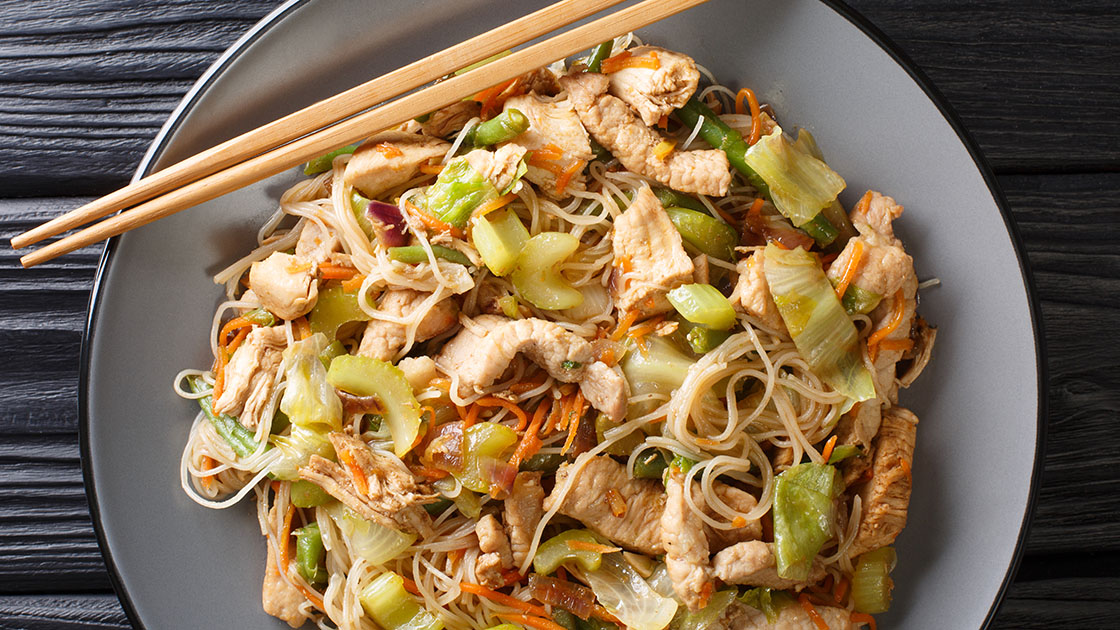
Hero Image: Stir fried rice noodles pancit bihon with vegetables. © ALLEKO/iStock
Ad
Rate this article
Login to rate this article
Comments
Please login to comment
No comments yet. Be the first to comment!