
Space & Astronomy
19 min read
How a New Yam Species Uses Fake Berries to Trick Birds and Survive
Earth.com
January 21, 2026•1 day ago
AI-Generated SummaryAuto-generated
A new yam species, *Dioscorea melanophyma*, has evolved to produce black, shiny bulbils that mimic local berries. This deception tricks birds into consuming and dispersing these "clone starters" to new locations. This unique strategy allows the asexual plant to spread, overcoming the dispersal limitations inherent in its reproduction method.
A plant that can’t make seeds has a big problem: it can grow, but it struggles to move. Without seeds to hitch rides on wind, water, or animals, an asexual plant is often stuck near its parent, piling up in the same patch of habitat and risking local wipeout.
A new yam species has found a clever workaround. Instead of relying on seeds, the yam makes tiny “clone starters” that look like fruit, tricking birds into eating them and carrying them to new places.
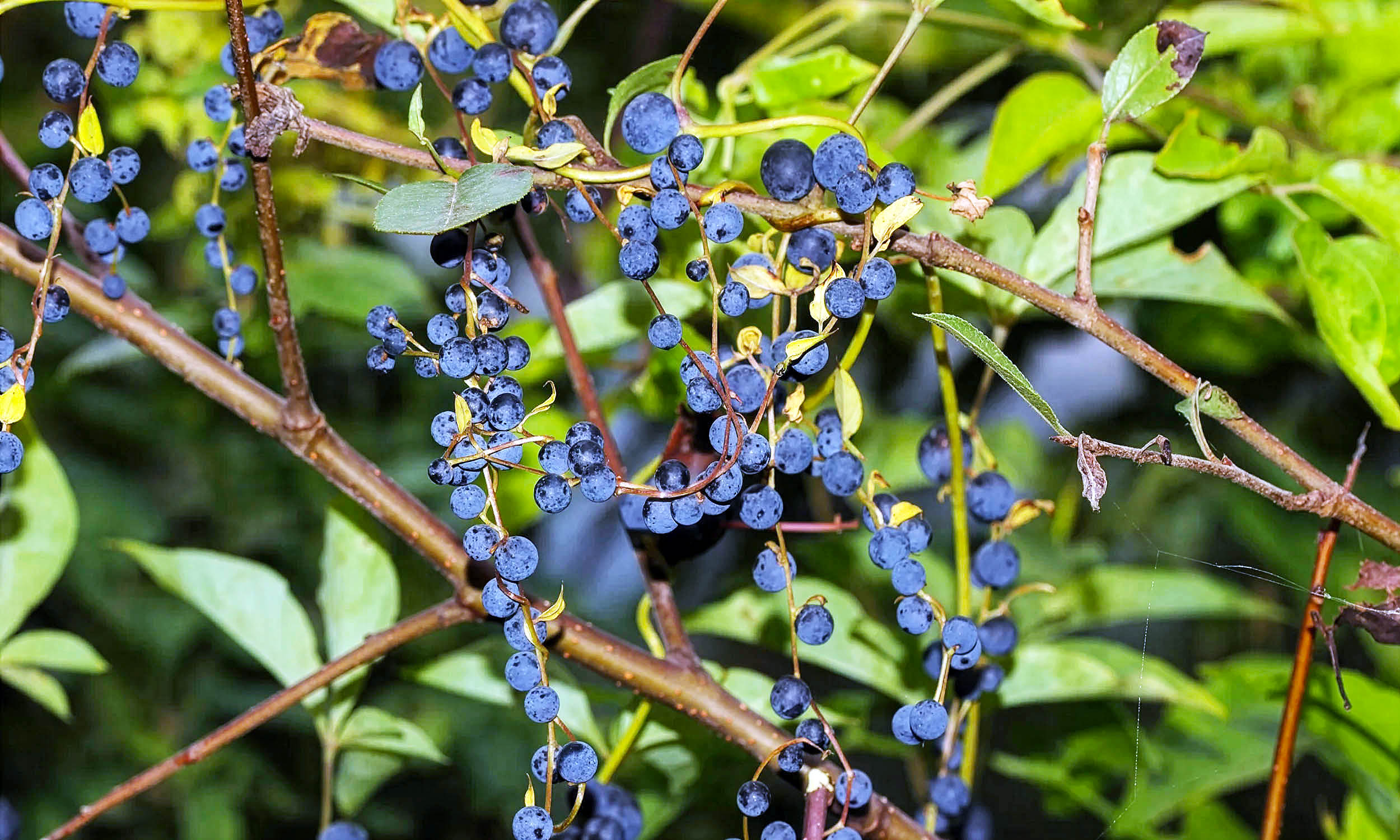
The species is Dioscorea melanophyma, an asexual yam. Researchers led by the Chinese Academy of Sciences report that it produces black, shiny bulbils – small, bulb-like structures that can grow into a new plant – that mimic local berries.
Birds swallow them like food and then drop them elsewhere, giving the plant a way to spread that most asexual plants don’t have.
The mobility problem of clones
In many plants, sexual reproduction produces seeds, and seeds are built for travel. They can float, drift, stick to fur, or pass through an animal’s gut.
Asexual plants, by contrast, don’t make seeds at all. They rely on structures like runners, tubers, bulbs, rhizomes, fragmentation, or spores – methods that create genetic copies of the parent.
That can be an advantage when mates or pollinators are scarce. You don’t need a partner or a pollinator to reproduce. But there’s a downside: asexual reproduction limits genetic diversity, which can reduce a plant’s ability to adapt when conditions change.
It also creates a dispersal bottleneck. If your “baby plant” falls at your feet, you may reproduce, but you don’t colonize new ground or escape local threats. D. melanophyma appears to have evolved a way around that dispersal trap.
When plants fake fruit
Mimicry is common in nature, but this type is unusual. Instead of mimicking something dangerous to avoid predators, this yam mimics something delicious to recruit an animal delivery service.
The plant’s bulbils are black and glossy, resembling berries that local birds already seek out.
That matters because birds are skilled at spotting fruit, and they’re also excellent transporters. When a bird eats a bulbil, it can carry it beyond the parent plant’s immediate neighborhood.
This kind of animal-mediated dispersal through being eaten is called endozoochory. It’s very common for seeds. What makes this case stand out is that these aren’t seeds.
They’re vegetative propagules – essentially plant “clones” – and the researchers say there are no other known examples of deceptive, asexual propagules dispersing through endozoochory in this way.
Testing the berry illusion
To test whether the bulbils really look like berries to birds, the researchers compared the size and color of yam bulbils and local blackberries using spectroscopy.
They then used avian visual modeling, which estimates how birds perceive color and contrast.
The result was clear: the bulbils were effectively indistinguishable from real berries in the way birds see them. In other words, the plant isn’t just “kind of” similar. It appears to be a convincing visual match in the sensory world that matters.
The researchers also backed this up with field observations. They conducted surveys in China and Nepal from 2019 to 2025 and recorded bird-bulbil interactions over three years. In total, they observed 22 bird species eating the bulbils.
Interestingly, even though the bulbils and berries looked similar, the birds tended to drop bulbils more often. That could matter for dispersal.
If a bird eats a berry, the seeds are expected to survive the trip. If it eats a bulbil, the plant still needs it to stay intact and viable after gut passage, or to be dropped before digestion destroys it.
A yam species with good timing
The study also suggests that the mimicry works best at a particular time of year.
“Visitation was strongly seasonal, with 82.35 percent of events in October and February, when berries are scarce, consistent with a ‘substitution’ effect of the mimic,” the authors wrote.
That’s an important detail. If real fruit is abundant, birds can be picky. If fruit is scarce, they may be more willing to take a chance on something that looks right.
The yam seems to be exploiting that seasonal gap, offering a convincing, fruit-like clone when birds are hungry and choices are limited.
Testing clone dispersal success
A deception is only useful if it leads to successful dispersal. The study reports that bulbils can survive passage through birds’ digestive systems and still remain viable.
The researchers tested germination and viability after dispersal and found the bulbils could still grow. They also estimated how far the bulbils could travel.
Based on typical bird movement during the time the bulbils would remain in the gut, the team predicted a median dispersal distance of about 230 meters (roughly 755 feet). In around six percent of cases, dispersal could exceed 500 meters (about 1,640 feet).
That might not sound huge compared with wind-dispersed seeds that can travel kilometers, but for an asexual plant that might otherwise drop propagules right beneath its parent, those distances are a big deal.
The findings suggest that even without sex or long-distance dispersal, some plants can still spread by tricking animals that expect a food reward.
Rare but important transport events – sometimes followed by movement by predatory birds – can still carry propagules far enough to matter.
How clones keep moving
This yam’s strategy is striking because it solves two problems at once. It compensates for the lack of seeds by borrowing the seed-dispersal system of fruiting plants. And it does it with deception, using the birds’ own sensory habits against them.
It’s also a reminder that evolution doesn’t always invent brand-new tools. Sometimes evolution finds a shortcut.
In this case, that shortcut is a fake berry that acts like a ticket out of the neighborhood, giving an asexual plant a rare chance to spread, survive, and keep pace with a changing world.
The study is published in the journal Proceedings of the National Academy of Sciences.
—–
Like what you read? Subscribe to our newsletter for engaging articles, exclusive content, and the latest updates.
Check us out on EarthSnap, a free app brought to you by Eric Ralls and Earth.com.
—–
Rate this article
Login to rate this article
Comments
Please login to comment
No comments yet. Be the first to comment!