
Health & Fitness
20 min read
Are Facial Expressions Deliberate or Instinctive? New Insights
Earth.com
January 19, 2026•3 days ago
AI-Generated SummaryAuto-generated
New research indicates facial expressions are more deliberate than instinctive. Studies on macaques show the brain actively plans and organizes facial gestures, with all involved brain areas contributing to all types of expressions. This suggests facial movements are intentional actions shaped by social context and brain preparation, not just automatic emotional reflexes.
Faces are one of the main ways primates communicate with each other. Small movements of the eyes, mouth, or eyebrows can send strong social signals.
These signals can show friendliness, fear, warning, or interest without a single sound. Humans rely on facial expressions every day, often without realizing how much meaning they carry.
For a long time, scientists believed that facial expressions were mostly automatic emotional reactions. According to this view, the face simply reflected what someone was feeling inside.
Higher brain areas involved in thinking and planning were thought to matter only for clear actions like chewing or speaking. Facial expressions seemed simple, fast, and mostly reflexive.
New research from Nottingham Trent University and The Rockefeller University suggests that this idea is incomplete.
Facial gestures turn out to be more planned and organized than previously thought. The brain plays an active role in shaping them before the face even moves.
Facial expressions were misunderstood
Earlier theories divided facial movements into two categories – emotional and voluntary.
Emotional expressions were believed to come from brain areas linked to feelings.
Voluntary movements were thought to come from motor areas linked to control. This separation made facial expressions seem different from other actions.
However, everyday social behavior tells a more complex story. A smile can feel warm, polite, nervous, or sarcastic depending on the situation. The same facial movement can mean very different things.
This flexibility raised an important question. If facial expressions are automatic, how does the brain adjust them so well to social context?
To answer this, researchers needed to observe faces during real interactions, not artificial tasks. They also needed to look closely at what the brain was doing during these moments.
Facial expressions in primates
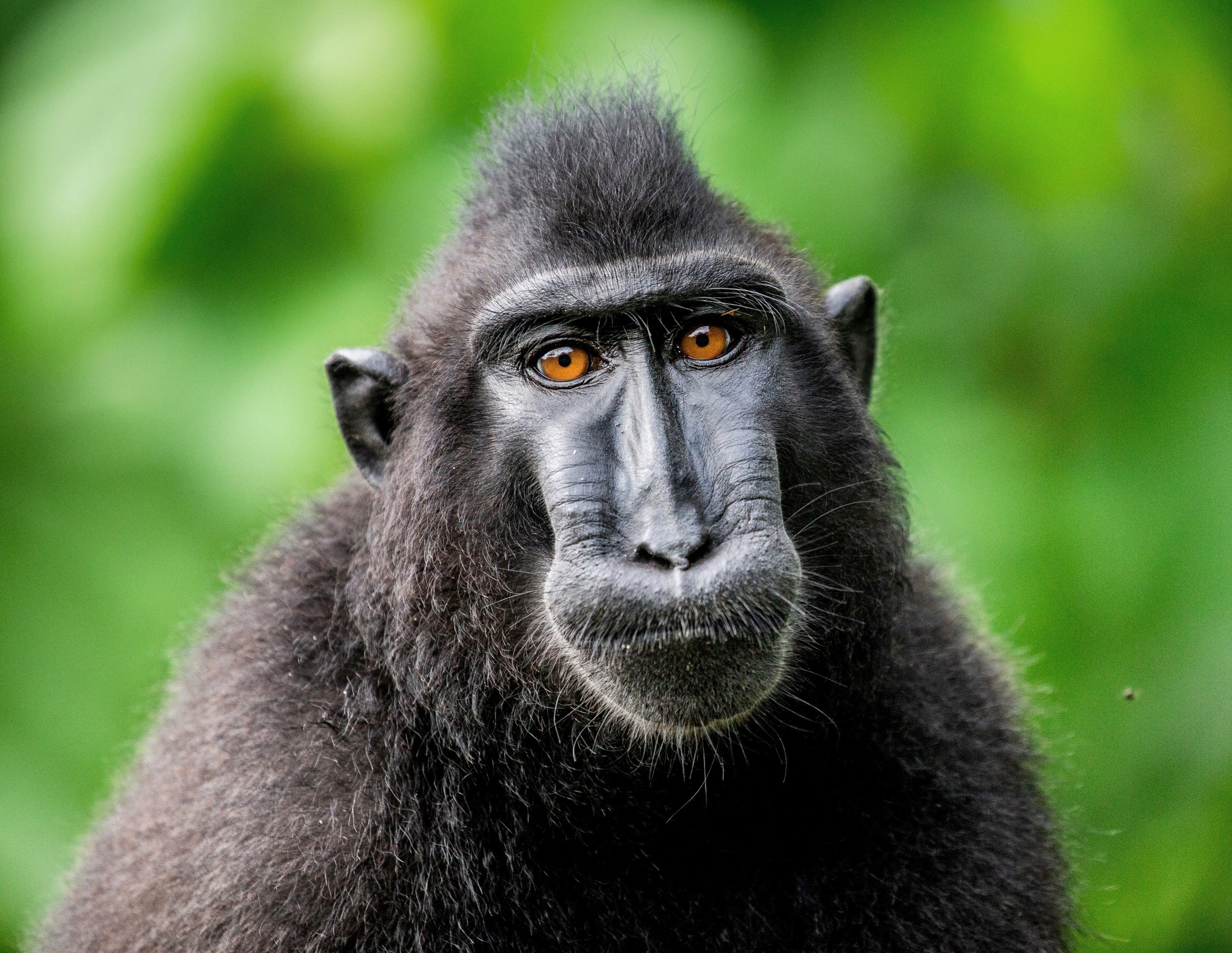
The researchers studied macaques while they engaged in natural social interactions.
Instead of training them to make specific movements, the animals behaved freely. Their facial gestures appeared naturally, just as they would in everyday life.
At the same time, scientists recorded activity from several areas of the cortex. These areas are connected to facial muscles and sensory feedback from the face.
This allowed researchers to link specific brain activity patterns to real facial gestures as they happened.
The study revealed something unexpected. All of the observed brain regions were involved in producing all types of facial gestures. No region was limited to emotional expressions or voluntary movements.
One shared brain system
The study focused on four main brain areas involved in movement, sensation, planning, and motivation.
Each of these areas showed activity during every facial gesture. This means the brain does not separate emotional and deliberate facial movements into different systems.
Inside each region, neurons showed different response styles. Some neurons responded to many facial gestures.
Others responded more strongly to specific gestures. This combination allows the brain to reuse the same network while still creating clear and distinct expressions.
Rather than having one area for smiling and another for grimacing, the brain spreads facial control across a shared network. This design supports flexibility and fine control during social communication.
How context shapes expressions
One of the most important findings involved timing. The brain showed clear differences in activity before any facial movement began.
These early patterns depended on which facial gesture was about to happen.
This means facial expressions are prepared in advance. The brain decides what expression to make before the face moves. Even expressions that feel spontaneous are shaped by earlier brain activity.
These preparation signals also changed with social context. The same facial movement could be prepared differently depending on the situation.
This suggests that the brain considers who is present, what just happened, and what response makes sense socially. In simple terms, the brain plans first and the face follows.
Brain areas work together
Although all studied brain regions contributed to facial gestures, they did not all do the same job.
Some areas showed activity that changed very quickly over time. These fast signals closely matched the actual movements of facial muscles. They helped control timing, speed, and coordination.
Other areas showed more stable activity patterns. Their signals stayed similar before and during the facial movement. These regions may help maintain the overall meaning or intention behind the expression.
Some areas combined both fast and stable signals. Together, this creates a balanced system.
Stable signals help decide what expression is appropriate. Fast signals help shape how that expression is physically carried out.
This balance helps facial expressions remain clear even as situations change quickly.
Facial expressions are intentional
These findings suggest that facial expressions are not simple emotional reflexes. They are intentional actions shaped by context, sensory input, and internal state.
The brain treats facial gestures more like other forms of communication than previously assumed.
This explains why facial expressions are so adaptable. A face can send different messages using similar movements because the brain prepares those movements differently depending on the situation.
This research also has practical importance. Many neurological conditions affect facial movement and expression.
Understanding how the brain plans and controls facial gestures could support new therapies or assistive technologies.
Brain-based communication tools may one day help people express intentions and emotions even when facial muscles do not work normally.
Rethinking facial expressions
This research offers a clearer and more realistic view of facial communication. Facial expressions are not just reactions that happen automatically. They are actions prepared by the brain to fit social situations.
Faces are active tools used to navigate social life. Behind every subtle smile or raised eyebrow lies careful brain activity working to make communication smooth and meaningful.
These findings are supported by two papers that appeared in the journal Science.
—–
Like what you read? Subscribe to our newsletter for engaging articles, exclusive content, and the latest updates.
Check us out on EarthSnap, a free app brought to you by Eric Ralls and Earth.com.
—–
Rate this article
Login to rate this article
Comments
Please login to comment
No comments yet. Be the first to comment!