
Health & Fitness
12 min read
Exercise Modulates Gut-Brain Axis in Autism: New Chromatographic Insights
Chromatography Online
January 21, 2026•1 day ago
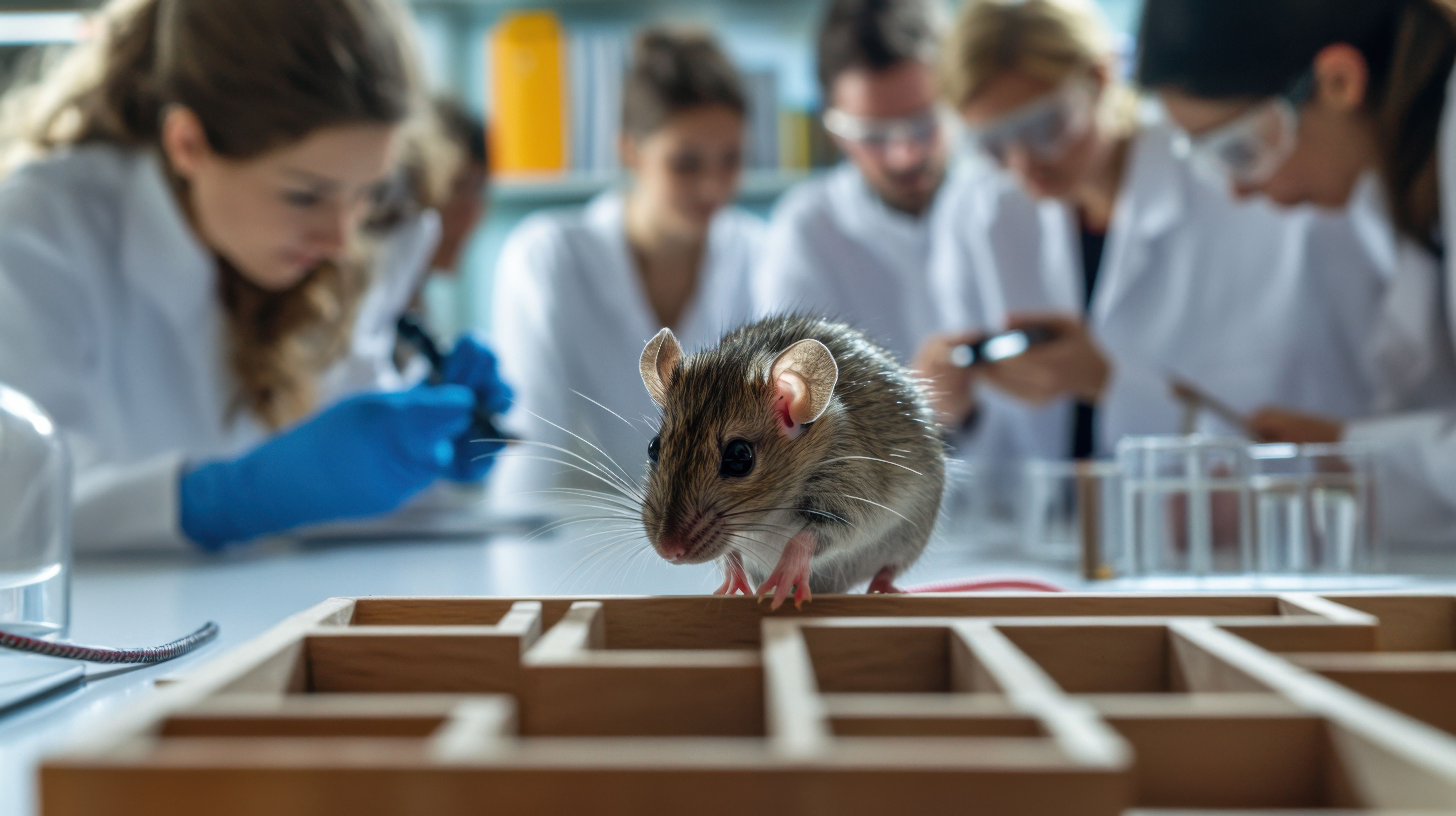
AI-Generated SummaryAuto-generated
Exercise significantly alleviates autism spectrum disorder-like behaviors in rats by modulating gut microbiota, short-chain fatty acids, and neurotransmitters. Voluntary exercise improved social interactions and altered specific gut bacteria. Fecal microbiota transplantation from exercised rats replicated these beneficial effects, validating exercise's impact on the gut-brain axis for ASD symptom management.
The gut-brain axis plays a critical role in autism spectrum disorder (ASD); however, the mechanisms through which exercise modulates gut microbiota, short-chain fatty acids (SCFAs), and central neurotransmitters to ameliorate ASD-like behaviors remain unclear. This lack of clarity inspired a study investigating the effects of exercise on ASD-like behaviors, gut microbiota, and metabolism in a valproic acid (VPA)-induced ASD rat model and to validate these findings via fecal microbiota transplantation (FMT). ASD rat models were established through prenatal exposure to VPA and divided into four groups: exercise (E_ASD), non-exercise (ASD), FMT, and sham FMT (sFMT). The E_ASD group underwent six weeks of voluntary wheel running, while the FMT group received fecal microbiota from the E_ASD group for four weeks. Behavioral assessments were conducted to evaluate cognitive and social functions. Fecal microbiota composition was analyzed via 16S rRNA sequencing, while SCFAs and neurotransmitters were measured using gas chromatography (GC) and liquid chromatography–mass spectrometry (LC–MS). A paper based on this research was published in BMC Microbiology (1).
ASD is a serious neurodevelopmental disorder characterized by impaired social communication, as well as the occurrence of narrow interests and repetitive behaviors (2). The overall ASD incidence is one in 36 children aged eight years in the United States (3). Recent articles propose that the gut microbiota plays a significant role in the onset and progression of ASD in both humans and animals (4–8) Additional studies have shown that the modulation of the gut microbiota through interventions including probiotic supplementation and fecal microbiota transplantation (FMT) can lessen symptoms in individuals with ASD (9,10).
The researchers found that after six weeks of voluntary exercise, ASD-like behaviors were significantly alleviated, particularly improving social interactions. Exercise also altered gut microbiota composition, increasing Limosilactobacillus and Lactobacillus and decreasing Allobaculum. Additionally, SCFAs and neurotransmitter levels in the prefrontal cortex were modulated. Notably, FMT from the exercise group replicated these behavioral and metabolic improvements in ASD rats. Exercise improves ASD-like behaviors by modulating gut microbiota, SCFAs, and neurotransmitter levels, and FMT offers further validation of these effects. “These findings,” write the authors of this study, “highlight exercise and FMT as promising strategies for alleviating ASD-related symptoms through gut-brain axis modulation” (1).
While preliminary evidence suggests that exercise can regulate various central neurotransmitters in ASD rats through the gut microbiota, the researchers stress that several limitations should be considered. One such limitation is the relatively small sample size, which may affect the generalizability of the results. Furthermore, although 16S rRNA gene sequencing provides valuable information about the composition of the gut microbiota, it primarily identifies microorganisms at the genus level and therefore might not fully capture the specific microbial species involved in modulating ASD-like behaviors. In addition, this research concentrated on short-term interventions (six weeks of exercise and four weeks of FMT); the long-term effects of exercise and microbiota modulation remain unclear. Also, the lack of follow-up behavioral assessments after the interventions limits the research team’s comprehension of the sustained impact of exercise on ASD-like behaviors. Finally, although the results support the role of gut microbiota and short-chain fatty acids in behavior modulation, it is the opinion of the research team that the specific molecular mechanisms underlying these effects require further investigation (1).
Read More on Similar Topics
LC–MS/MS–Based Chromatographic Assessment of Oxysterol Imbalances in Autism Spectrum Disorder
References
Rate this article
Login to rate this article
Comments
Please login to comment
No comments yet. Be the first to comment!