
Health & Fitness
20 min read
Why Early Enlarged Prostate Checks Are Crucial
the-star.co.ke
January 21, 2026•1 day ago
AI-Generated SummaryAuto-generated
Early detection of prostate enlargement, a common age-related condition, is crucial for maintaining quality of life. Symptoms like weak urine flow can progress to incontinence and kidney damage if untreated. Regular medical checks and seeking advice promptly allow for effective management and prevent severe complications, ultimately protecting long-term health.
Remember those days when we were little boys, lining up behind trees or backyard fences, seeing who could pee the farthest? That fire-hose strength, we were proud of it. It was a badge of boyhood, something laughed about on dusty afternoons and forgotten just as easily.
However, after the age of 40, things begin to change. One day, you are standing at the toilet, and that once-proud stream is more like a hesitant trickle. You wait… and wait… and then wait some more.
The flow starts, stops and sometimes refuses to come at all. At first, you brush it off as stress, tiredness or simply “getting older”.
Yet for many men, this quiet change is the body’s early warning.
This isn’t just ageing. It could be a sign of something called benign prostatic hyperplasia (BPH), commonly known as an enlarged prostate. It is widespread, it is treatable and it often begins with something as simple as a weak urine flow. What starts as a mild inconvenience can slowly become a daily struggle that affects comfort, confidence and quality of life.
So don’t brush that weak stream aside. Talk to your doctor. Because strong or not, every stream tells a story, and after 40, your body might be trying to tell you something important.
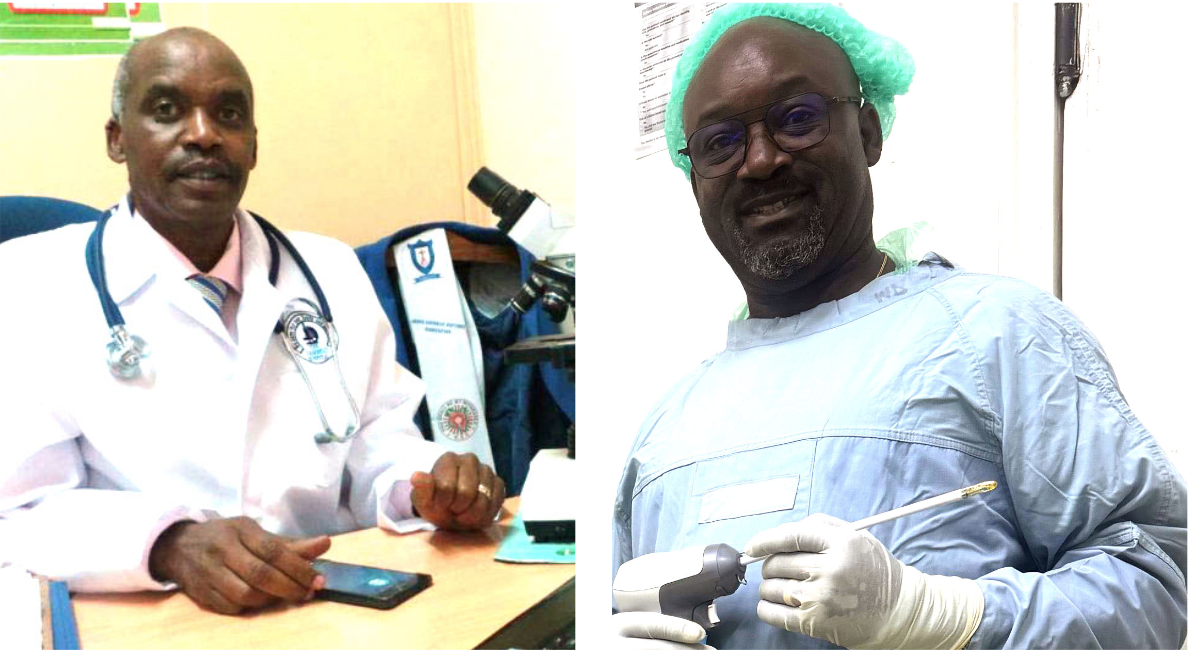
Oncologist James Ikol says the prostate naturally enlarges as men age, making regular monitoring essential even before symptoms appear.
“The most common signs to look out for are changes in your pattern of passing urine,” he says. “This includes urinating more frequently than usual, difficulty holding urine, a weak urine flow and the feeling that the bladder does not empty.”
While BPH is not cancer and does not increase the risk of prostate cancer, it can still cause significant urinary problems.
COMES WITH AGE
Medical studies show that by the age of 60, about 50 per cent of men may have BPH, and by 80, that number can rise to 90 per cent. In other words, prostate enlargement is not unusual; it is almost a normal part of male ageing. What makes the difference is how early it is detected and managed.
Ikol warns that delayed diagnosis and treatment can interfere with a man’s daily life in ways many do not immediately associate with prostate health. Constant night-time trips to the toilet disrupt sleep. Straining to urinate can become frustrating and embarrassing. Over time, the condition may even affect concentration at work and participation in social life.
“In some cases, men may experience involuntary leakage of urine as bladder control weakens,” he says. “This can be distressing and often leads to withdrawal or silence instead of seeking help.”
In more severe situations, an enlarged prostate can block the normal flow of urine, causing back-pressure on the kidneys.
If left untreated, this may lead to kidney damage or even kidney failure. At that stage, surgery may become necessary.
“While there is little men can do to prevent this condition completely because it is age-related, lifestyle choices still matter,” Dr Ikol says. “Men should pay close attention to their health, avoid delaying medical checks and seek advice early.”
For Stephen Mutua, 47, the warning signs came quietly. He began noticing a weak urine flow in his late thirties but did not think much of it at first. Life was busy, and the symptoms were easy to dismiss.
“I didn’t understand what was happening at first,” he recalls. “I was worried about the weak flow, but I thought it would go away. Then sometimes I would even wet myself. That’s when I realised I had to seek medical attention.”
By the time Mutua went to the hospital, his symptoms had worsened to the point where daily activities had become uncomfortable. After medical tests confirmed prostate enlargement, doctors recommended surgery.
LESSON LEARNED
After undergoing successful surgery at Kenyatta National Hospital in , Mutua has made a full recovery. , he speaks openly about his experience, hoping other men will learn from his delay.
“If I had gone earlier, I would have avoided a lot of stress and fear,” he says.
Dr Geoffrey Mutuma, a cancer expert at Zambezi Hospital, says such stories are common because many men are reluctant to talk about urinary problems.
“By the age of 70, most men will require treatment for prostate enlargement,” he says. “Testosterone, the main male hormone, is linked to prostate growth. As men age, changes in hormone levels can cause the prostate to enlarge, leading to urinary problems.”
Dr Mutuma adds that advances in medical technology have made diagnosis and treatment easier and more effective than in the past.
He notes that medications such as Prostalia are available to help manage prostate enlargement and related urinary symptoms, particularly in mild to moderate cases.
“Treatment is not what it used to be,” he says. “Men no longer need to suffer in silence. There are drugs, minimally invasive procedures and surgery when necessary, all aimed at restoring comfort and protecting long-term health.”
He also addresses a common fear among patients: the confusion between prostate enlargement and prostate cancer.
“Prostate cancer is becoming increasingly common. About one in every 12 men will develop prostate cancer,” he says. “However, prostate enlargement is almost inevitable as men grow older and is not always cancerous. That is why a proper medical evaluation is important. Only tests can determine what is really going on.”
Prostate enlargement is a common, age-related condition that can quietly disrupt a man’s quality of life, affecting concentration at work, sleep, relationships and even basic bladder control.
What may begin as a weak urine flow or frequent trips to the toilet can, if ignored, progress to incontinence and, in severe cases, dangerous back-pressure on the kidneys that may require surgery.
While some men try to manage symptoms with lifestyle changes or herbal remedies, doctors stress that these do not cure the condition and should never replace medical assessment.
Early medical evaluation is crucial. It allows for proper diagnosis, prevents complications and ensures timely treatment before symptoms become severe.
Just as important, it removes fear and uncertainty, replacing them with clear options and support.
Simply put, when it comes to an enlarged prostate, acting early can protect both dignity and long-term health. The stream may no longer be what it was in boyhood, but listening to what it tells you could make all the difference .
Rate this article
Login to rate this article
Comments
Please login to comment
No comments yet. Be the first to comment!