
Geopolitics
13 min read
EAC Observers Criticize Parties for Surge in Independent Candidates
The Independent Uganda
January 19, 2026•3 days ago
AI-Generated SummaryAuto-generated
EAC observers criticized Uganda's political parties for internal conflicts leading to numerous independent candidates in the 2026 elections. While praising the polls' peaceful and transparent conduct, they noted party weaknesses undermine cohesion. Observers recommended strengthening internal party democracy and balancing security with public access to information.
Kampala, Uganda | URN | The East African Community (EAC) Election Observation Mission has highlighted internal conflicts and organizational weaknesses within Uganda’s political parties, warning that these issues are contributing to a growing number of independent candidates in the 2026 elections.
While the mission praised the overall peaceful conduct of the polls, it noted that party infighting, candidate disputes, and unclear nomination processes are undermining cohesion and limiting voter confidence in party structures. Observers emphasized that strengthening internal party democracy is critical to ensuring a more competitive and stable electoral environment in Uganda.
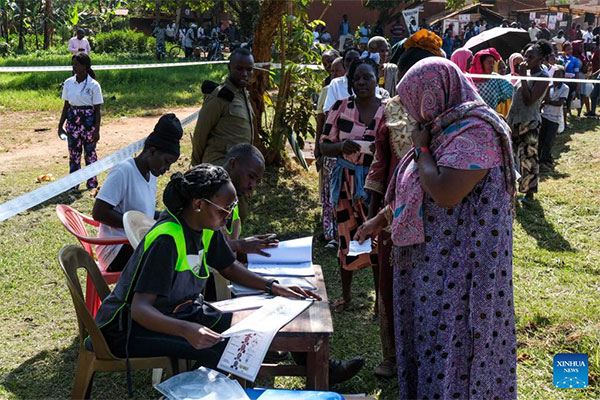
They endorsed Uganda’s general elections as largely transparent, orderly, and peaceful, citing professional conduct by security forces and a generally calm polling environment, despite disruptions caused by an internet shutdown and failures of biometric voter verification kits.
The 58-member Mission was led by Ambassador Edda Mukabagwiza, Rwanda’s former Deputy Speaker of Parliament and former Minister of Justice and Constitutional Affairs, and deputised by Maina Karobia Mwangi, Chairperson of the Regional Affairs and Conflict Resolution Committee of the East African Legislative Assembly.
In its preliminary report, the mission said the electoral environment, including the campaign period, was largely peaceful and conducive to the conduct of elections.
Observers reported that security personnel were present at all polling stations visited and said their conduct was “professional, non-intrusive and discreet,” helping to maintain peace and order.
The mission said authorised stakeholders, including party and candidate agents, had unhindered access to polling stations and were able to perform their duties without difficulty, describing their presence as a key element of transparency in the electoral process.
The observers, however, raised concern over the government’s decision to suspend internet access hours before polling began, saying the shutdown affected the compilation and analysis of observers’ field reports. The government said the move was aimed at safeguarding public and national security.
The mission urged authorities to balance security considerations with the need for public access to information and communication technologies during elections.
It also flagged the disqualification of several parliamentary aspirants in the weeks before polling, in some cases resulting in candidates being declared unopposed, and called for clearer procedures and timelines to enhance public trust in the electoral process.
Delayed opening of some polling stations was attributed to technical problems with biometric voter verification kits and late setup of polling facilities, leading some voters to leave in frustration.
The Mission recommended that the Electoral Commission investigate the causes of the malfunctions to prevent recurrence. Despite these challenges, observers said the polling-day environment remained calm and peaceful, with a noticeable presence of party and candidate agents.
The mission also commended the placement of polling stations in locations accessible to persons with disabilities. On the high number of independent parliamentary candidates, the observers said this expanded voter choice but reflected internal disputes within political parties and weaknesses in intra-party dispute resolution mechanisms.
The Mission praised civil society organisations for their role in voter education and election observation and commended peace initiatives led by the Uganda Human Rights Commission and the Inter-Religious Council of Uganda.
It called for legal reforms to regulate campaign financing, promote transparency, and ensure a level playing field, and noted that state-owned media generally provided extensive coverage of the electoral process. The observers congratulated Ugandans for exercising their right to vote and urged all stakeholders to maintain peace as the electoral process continues.
Rate this article
Login to rate this article
Comments
Please login to comment
No comments yet. Be the first to comment!