
Health & Fitness
15 min read
Mātai Medical Research Institute Announces New Diabetes Screening Fellowship
NZ Herald
January 21, 2026•1 day ago
AI-Generated SummaryAuto-generated
A research fellowship supports a diabetes screening study at Mātai Medical Research Institute. The study utilizes advanced assessments like MRI scans and glucose tolerance tests to provide participants and researchers with deep insights into diabetes's impact on the body. The initiative aims to improve diabetes care, health, and wellbeing in the Tairāwhiti region, potentially informing future funding for continuous glucose monitoring.
“What I see every day, however, is the strength and capability people bring to managing their health.
“I’ve been privileged to sit in on the DSME programme alongside local people with diabetes and to walk with them as they build understanding and confidence.”
Salmond said it was a powerful experience. People gained insight into how their daily lives connected with their diabetes, and saw how informed choices could support their wellbeing and restore a real sense of control.
Some of the participants in the study would have an intensive cluster of assessments not usually available in the public health system, he said.
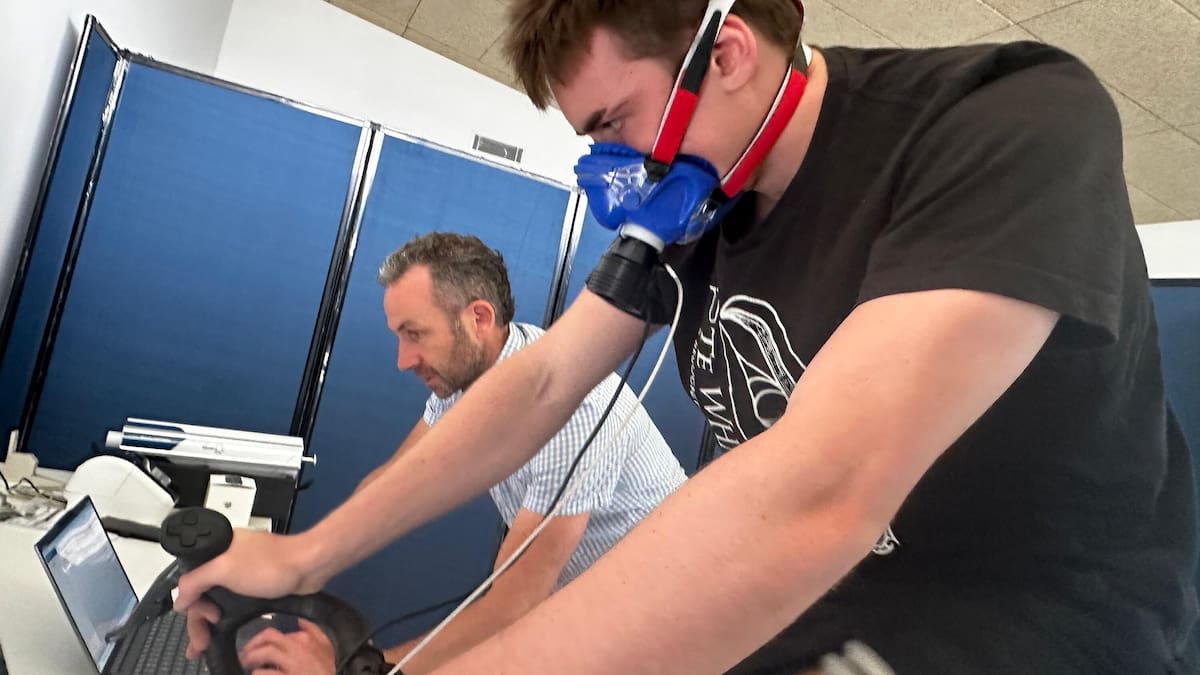
This includes MRI scans to measure the fat content in their organs, a modified glucose tolerance test (which showed how well their body manages a sugar load), and measurement of how much energy, fat and sugar they burn at rest and with exercise.
“These measures will give both researchers and participants deep insight into how their diabetes journey affects their body ‘under the hood’,” he said.
His research team will also assess cost-effectiveness to put forward a case for funding CGM for future DSME participants, should it turn out to be beneficial.
“This is about advancing diabetes care, health and wellbeing for the Tairāwhiti people, as well as improving our understanding of diabetes,” Salmond said.
Salmond worked for 10 years as a physiotherapist, including several years in the UK, Australia and at the Millennium Institute of Sport and Health in Auckland, before retraining as a doctor and returning to Tairāwhiti to undertake his junior doctor rotations at Gisborne Hospital.
He works part-time (while undertaking his research) as a GP and co-owner at City Medical Gisborne.
Alongside his PhD research, he is working with Mātai to set up a “cardiometabolic lab” on location in Gisborne that will enable rigorous assessment of fitness and metabolic health across a wide spectrum of health and performance, including people with advanced diabetes and elite athletes.
The lab will underpin the advanced assessments for those participants who want to gain a more in-depth understanding of how diabetes affects their bodies and how this might change with making better lifestyle choices.
Pending government regional infrastructure funding, Mātai hopes the lab will form the first stage of a human and sport performance research hub.
This would address key areas of health and performance, including metabolic health, neurological disorders, sports injuries, child development disorders, balance disorders and spinal cord injuries.
Salmond is grateful to the Dines Family Charitable Trust for its generous support, which was instrumental in the establishment of the cardiometabolic lab, along with AUT’s School of Sport, Exercise and Health, which donated key equipment.
The lab is now able to support exercise testing, measurement of metabolic rates and energy expenditure, and blood collection and early processing for Salmond’s study.
Other supporters include Mātai, Sweet Pressure, Pūtahi Manawa, Dexcom Ltd, Pinnacle PHO and Diabetes New Zealand.
Advice is being provided by experts from the University of Otago, AUT, the University of Auckland’s Liggins Institute and Auckland Bioengineering Institute, and the Millennium Institute of Sport and Health.
Cardiometabolic diseases, including obesity, diabetes and cardiovascular disease, are among the leading causes of illness and death worldwide.
Mātai, in a statement, said long-standing inequities in access to health services, resources and prevention mean that Māori and rural communities in Tairāwhiti were more affected than the national average by conditions such as diabetes and heart disease.
“Type 2 diabetes, one of the fastest-growing health conditions in Aotearoa and globally, develops when blood sugar levels remain chronically elevated. Without timely support, this can lead to progressive impacts on organs, including the eyes, kidneys, heart, blood vessels, and nerves.
“Importantly, type 2 diabetes is highly responsive to early detection and proactive care. With timely screening, culturally responsive prevention approaches and community-led support, disease progression can be delayed and, in some cases, reversed.
“Locally, this work focuses on strengthening early screening pathways, supporting iwi-led and community-based prevention strategies, engaging rangatahi and building local training and workforce opportunities in health and science.
“Nationally, it will contribute to reduced healthcare costs through prevention, the development of New Zealand-specific cardiometabolic data, and alignment with national research priorities in diabetes and cardiovascular health.”
Rate this article
Login to rate this article
Comments
Please login to comment
No comments yet. Be the first to comment!