
Technology
4 min read
First-Gen Cellular Networks: The Shocking Lack of Security
Hackaday
January 20, 2026•2 days ago
AI-Generated SummaryAuto-generated
A video demonstrates the significant lack of security in first-generation analog cellular networks. Using an Ericsson handset's test mode or a software-defined radio, it's possible to tune into and listen to unencrypted analog phone calls. This highlights the stark contrast between early, insecure cellular technology and today's encrypted communication systems.
Modern cellular networks are built to serve millions upon millions of users, all while maintaining strict encryption across all communications. But earlier cellular networks were by no means so secure, as [Nostalgia for Simplicity] demonstrates in a recent video.
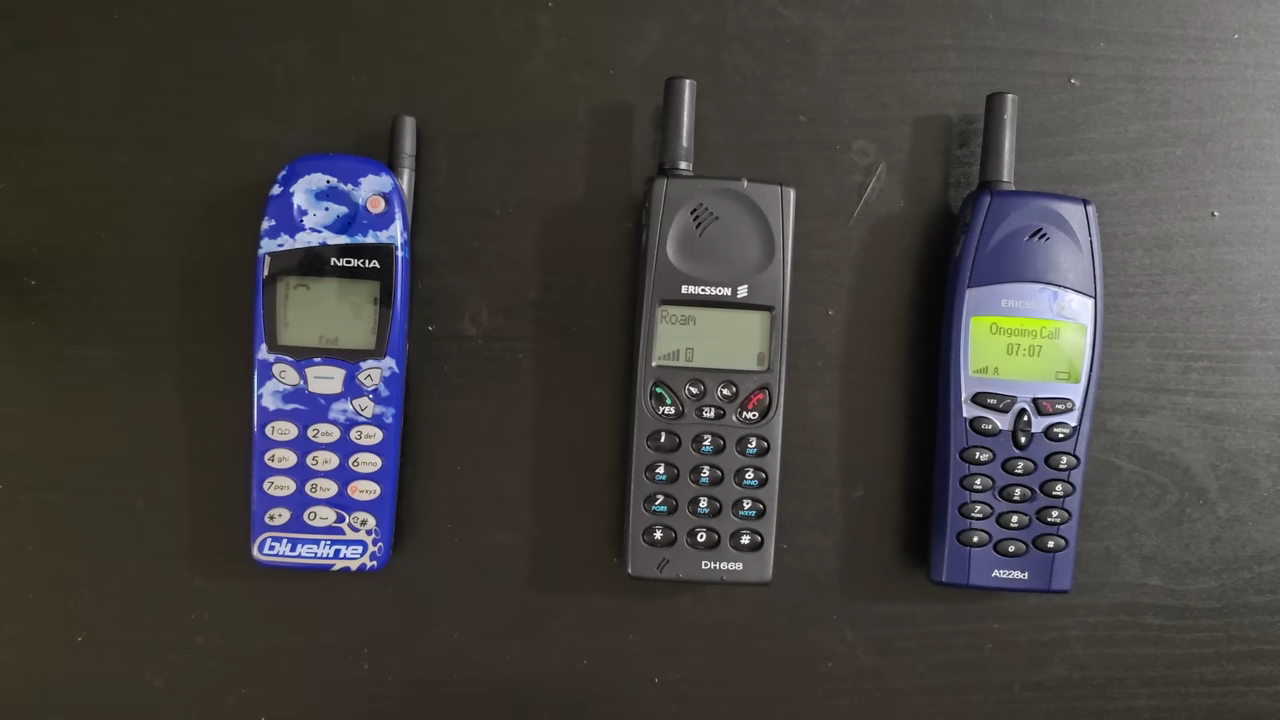
The video begins with an anecdote — our narrator remembers a family member who could listen in on other’s conversations on the analog AMPS phone network. This was easily achieved simply by entering a code that would put an Ericsson handset into a test mode, in which it could be switched to tune in any desired AMPS channel. Since the communications were transmitted in a purely analog manner, with no encryption of any sort, any conversation on such a network was basically entirely open for anyone to hear. The video shows a recreation of this method, using a software-defined radio to spin up a low-power, very local AMPS network. A phone call is carried out between two handsets, with a third handset able to listen in just by using the special test mode.
Rate this article
Login to rate this article
Comments
Please login to comment
No comments yet. Be the first to comment!