
Health & Fitness
12 min read
Revolutionary Blood Test Enhances Cancer Detection for Vague Symptoms
Mirage News
January 20, 2026•2 days ago
AI-Generated SummaryAuto-generated
A Swedish study published in Nature Communications reports a blood test capable of detecting cancer in patients with vague symptoms like fatigue or pain. Researchers identified a protein signature in blood samples that distinguishes cancer patients from those with other serious conditions. This test could prioritize further investigations, supporting, but not replacing, existing diagnostic methods. Further testing is needed before clinical use.
Mirage News
Mirage News
Blood Test Aids Cancer Detection in Vague Symptom Cases
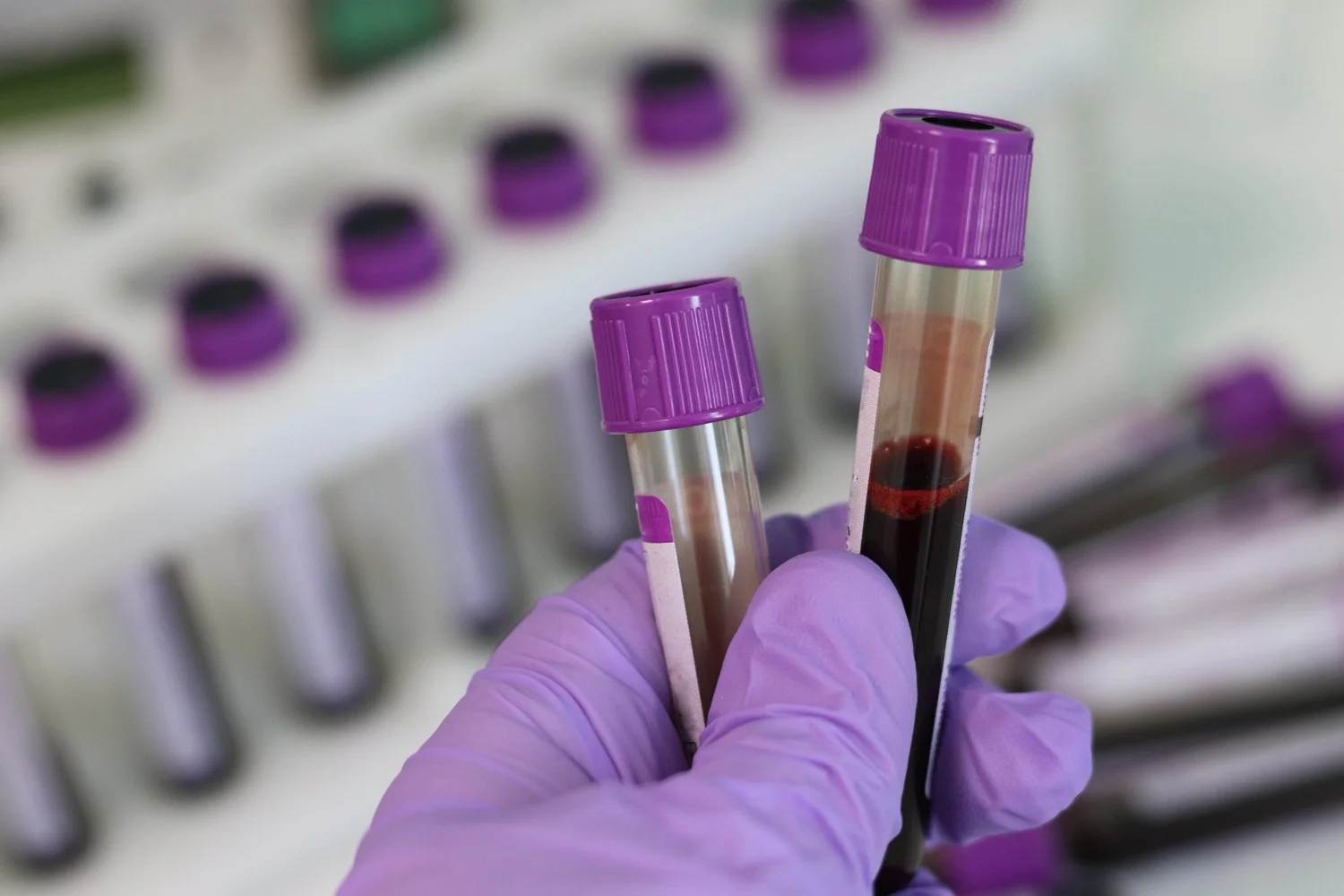
A simple blood test can help detect cancer in patients with non-specific symptoms such as fatigue, pain or weight loss. This is according to a Swedish study from Karolinska Institutet, Danderyd Hospital and others, published in Nature Communications.
When patients seek care for non-specific symptoms such as fatigue, pain or weight loss, it is often difficult to determine whether the cause is cancer, another serious condition or something completely harmless. In a new study, researchers at Karolinska Institutet and Danderyd Hospital, together with Örebro University, KTH Royal Institute of Technology and SciLifeLab at Uppsala University, have investigated whether proteins in the blood can provide early clues.
Proteins linked to cancer
The study analysed blood samples from nearly 700 patients referred to the Diagnostic Centre at Danderyd Hospital and Örebro University Hospital in Sweden. The samples were taken before the diagnostic investigation began.
Using proteomics, a method for large-scale protein analysis, the levels of 1,463 different proteins in plasma were measured. The researchers identified a specific combination of proteins, known as a protein signature, that could be linked to a cancer diagnosis.
"The study shows the potential of large-scale proteomics for extracting clinically relevant information from small amounts of blood," says Mikael Åberg, associate professor at Uppsala University and head of SciLifeLab Affinity Proteomics Uppsala, where the analyses were performed.
Reflects the clinical reality
The researchers then developed a model that can distinguish patients with cancer from those with other conditions, such as inflammatory, autoimmune or infectious diseases, with high precision.
"A particular strength of the study is that the control group consisted largely of patients with other serious conditions that can cause symptoms similar to cancer," says Charlotte Thålin , senior physician at Danderyd Hospital, adjunct professor at Karolinska Institutet and principal investigator for the study. "This reflects the clinical reality, where patients with non-specific symptoms are often difficult to assess."
Does not replace other methods
The researchers emphasise that the method should not replace imaging diagnostics or biopsies, but rather serve as a support for prioritising which patients should be investigated further.
"The method could help identify which patients should be prioritised for further diagnostics, for example with PET-CT, while avoiding unnecessary investigations in patients without cancer," says Fredrika Wannberg , resident at Danderyd Hospital and doctoral student at Karolinska Institutet.
Further studies are needed before the method can be used clinically. The next step is to test it in primary care, where the incidence of cancer is lower than in specialist care.
The research was funded by the Swedish Research Council, the Knut and Alice Wallenberg Foundation and the Jochnick Foundation, among others. The researchers declare no conflicts of interest.
Publication
"Plasma protein profiling predicts cancer in patients with non-specific symptoms" , Fredrika Wannberg, María Bueno Álvez, Alvida Qvick, Tamas Pongracz, Katherina Aguilera, Emma Adolfsson, Louise Essehorn, Max Gordon, Mathias Uhlén, Gisela Helenius, Viktoria Hjalmar, Mikael Åberg, Axel Rosell, Charlotte Thålin, Nature Communications, online 29 December 2025, doi: 10.1038/s41467-025-67688-3.
/Public Release. This material from the originating organization/author(s) might be of the point-in-time nature, and edited for clarity, style and length. Mirage.News does not take institutional positions or sides, and all views, positions, and conclusions expressed herein are solely those of the author(s).View in full here.
Rate this article
Login to rate this article
Comments
Please login to comment
No comments yet. Be the first to comment!