
Space & Astronomy
7 min read
New Avalanche Device Offers Hope: Survival Extended by Face-Down Snow Burial Trials
Science News Explores
January 19, 2026•3 days ago
AI-Generated SummaryAuto-generated
A new avalanche safety device, integrated into a backpack, has demonstrated its ability to channel air to buried individuals. In a field trial, participants wearing the device remained safely buried under snow for 35 minutes without experiencing dangerously low oxygen levels. This innovation could significantly increase survival chances for avalanche victims by extending their breathable air supply, improving rescue outcomes.
When someone is trapped in an avalanche, there is very little time before their oxygen supply runs out. A new safety device, though, can channel air to the buried person’s face. It may extend their survival time in the snow, a new field trial shows. That could increase the chance of a successful rescue.
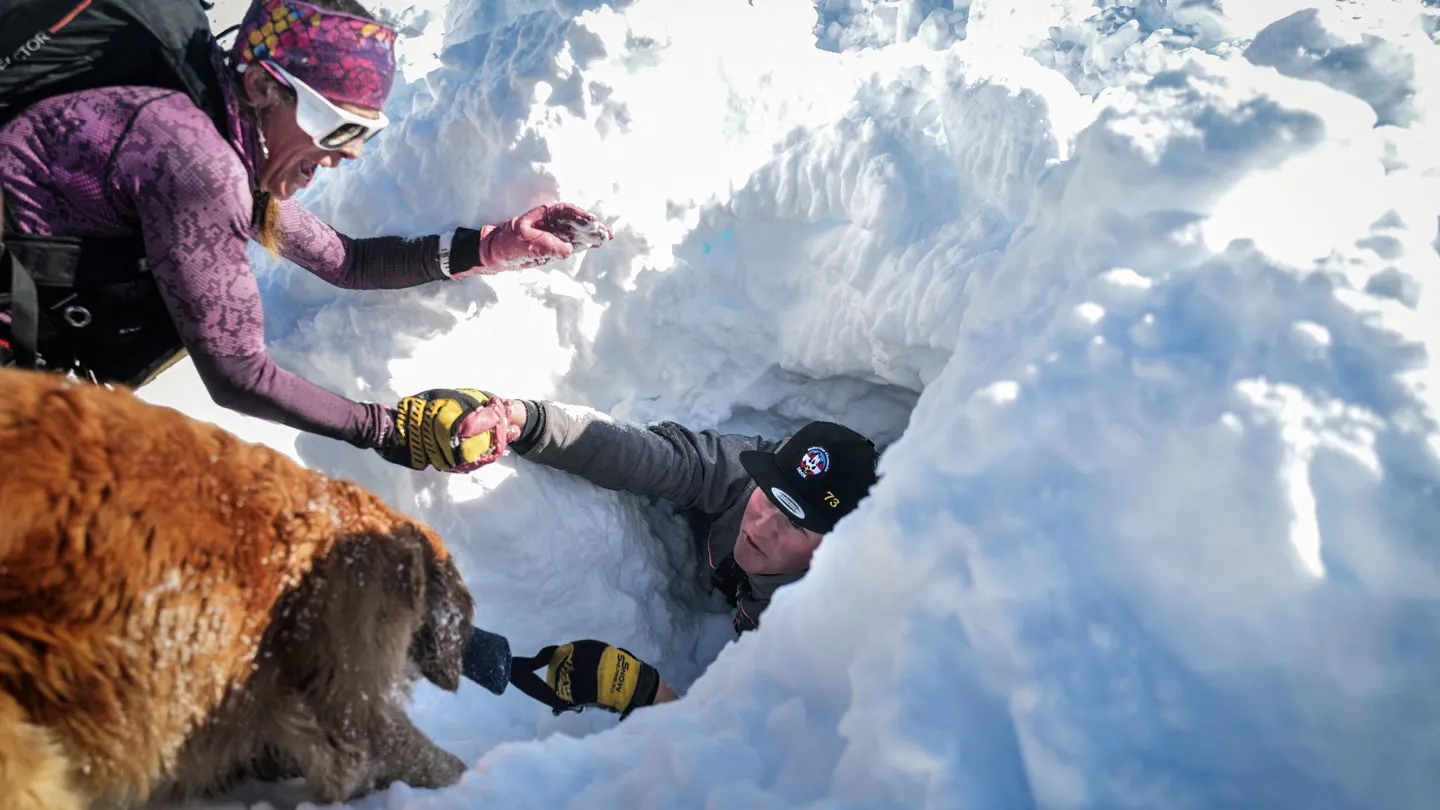
The trial took place at a field site in northern Italy. There, participants were buried face down under 50 centimeters — about a foot and a half — of snow. The goal was to remain there safely for 35 minutes. No one in the group that was wearing the new safety device needed to be removed early due to low blood oxygen levels. Researchers reported the finding in the November 18 Journal of the American Medical Association.
Minutes after being buried in an avalanche, someone’s blood level of oxygen will begin to drop. At the same time, carbon dioxide level in the blood will climb. The chance the person will survive starts to drop after 10 minutes. Around two-thirds of people whose head and chest are trapped under snow will die of insufficient oxygen within 35 minutes.
The new trial tested a safety device that’s integrated into a backpack. It weighs a little over 500 grams, about 1.1 pounds. Called Safeback SBX, it runs on batteries that power a fan. That fan draws air from the surrounding snow, then directs it to the buried person’s face from outlets in the backpack’s shoulder straps.
In the trial, researchers monitored participants’ oxygen levels, heart and breathing rates and other health measures throughout the burial. The experiment ended if anyone’s blood oxygen level got dangerously low — below 80 percent. This did not happen for the 12 people in the safety device group. Eleven remained buried for the full 35 minutes. One asked to be removed early due to unexpected skin irritation.
In contrast, seven of the 12 using a fake device had to stop early because they fell below the blood-oxygen cutoff. Another four requested an early end. Three felt short of breath. One had a panic attack. Most people in the fake-device group remained buried between five and 13 minutes. Only one person in that group stayed under the snow for the full 35 minutes.
Rate this article
Login to rate this article
Comments
Please login to comment
No comments yet. Be the first to comment!