
Space & Astronomy
7 min read
New Study Reveals Some Asteroids Grow More Lethal Entering Earth
NewsBytes
January 20, 2026•2 days ago
AI-Generated SummaryAuto-generated
A study reveals iron-rich asteroids may be more dangerous than anticipated. Researchers found these M-type asteroids can absorb significant energy during atmospheric entry, potentially strengthening rather than breaking apart. This discovery has implications for asteroid deflection missions, as current strategies may be less effective against these resilient space rocks.
By Mudit Dube
Jan 20, 2026 06:10 pm
What's the story
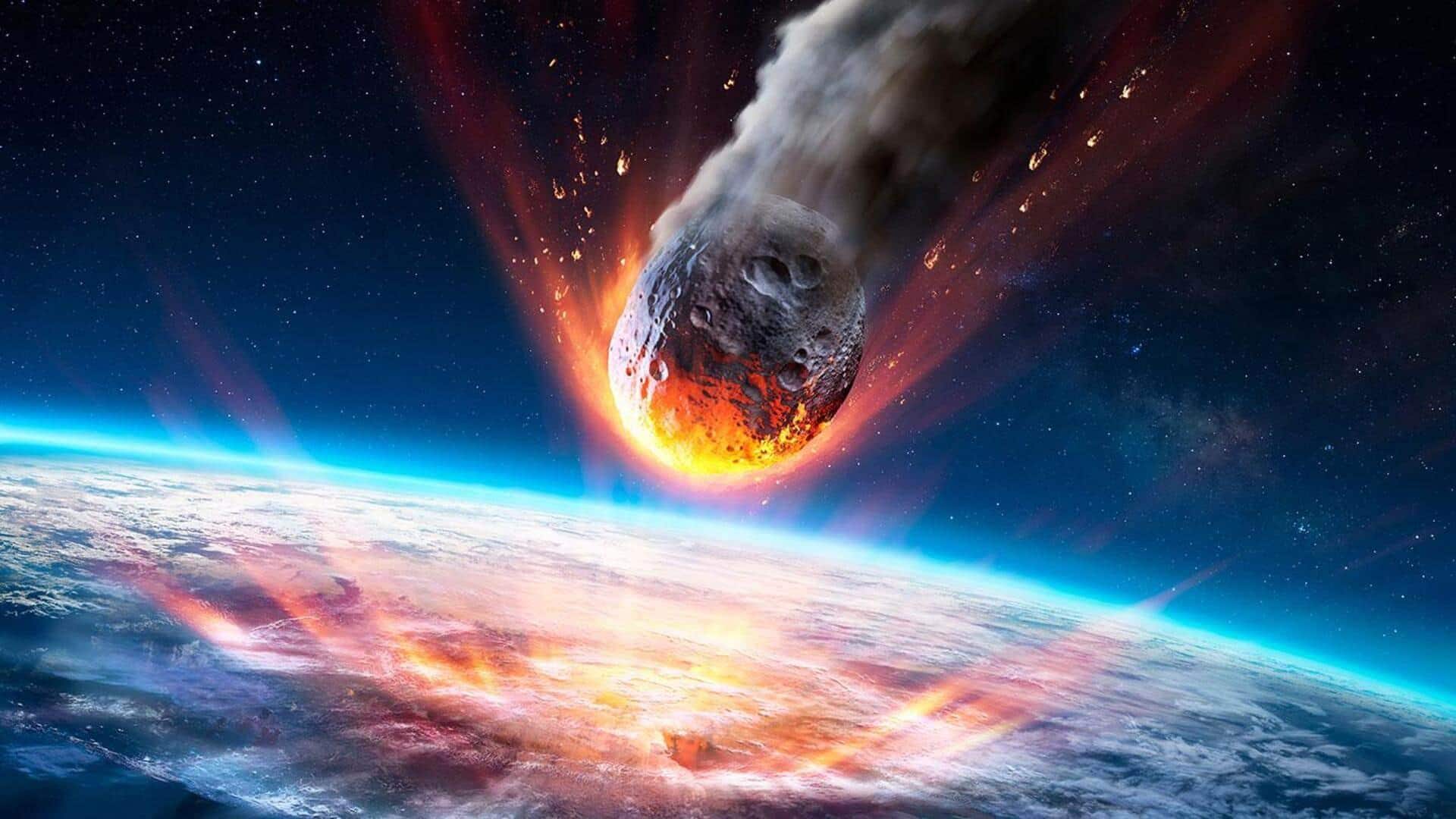
A recent study has warned that certain types of asteroids, particularly iron-rich ones, could pose a greater threat to Earth than previously thought. The research was conducted by an international team of scientists and published in Nature Communications. It highlights the potential for these space rocks to absorb more energy without breaking apart, possibly even becoming tougher in the process.
Risk assessment
Iron-rich asteroids: A new threat to Earth
The study focused on M-type asteroids, or metal-rich ones, and their potential impact on Earth. These space rocks are part of the Near-Earth Asteroids (NEAs) group that includes 37,000 known bodies in our solar system. NASA and other space agencies keep a close watch on these objects to assess any potential threats they may pose to our planet.
Research findings
Study reveals M-type asteroids can absorb more energy
The researchers conducted a simulation using CERN's High Radiation to Materials (HiRadMat) facility, where they irradiated a sample of an iron meteorite. They used highly energetic 440 GeV proton beams to study how much stress these metal-rich asteroids (M-type) can withstand as they enter Earth's atmosphere. The real-time data captured by Doppler vibrometry showed that the material responded by giving away more energy as stress levels increased.
Advertisement
Structural changes
Internal structure of asteroids could amplify stress
The study's findings suggest that energy likely travels deep inside an asteroid, changing its internal structure to amplify the stress. Professor Gianluca Gregori from the University of Oxford and co-author of the study, said this is "the first time we have been able to observe, non-destructively and in real time, how an actual meteorite sample deforms, strengthens, and adapts under extreme conditions."
Advertisement
Mission impact
Implications for asteroid deflection missions
The study's findings could have major implications for asteroid deflection missions. If certain types of asteroids grow stronger under stress instead of splitting up, we can't rely on them to fragment when they enter the atmosphere. There's a chance that these space rocks might become even more powerful under stress, making them a bigger threat to Earth than previously thought.
Rate this article
Login to rate this article
Comments
Please login to comment
No comments yet. Be the first to comment!